



Winter baby skin care: moisturizing, bathing, and protecting cheeks from frost
Winter is a particularly challenging time for babies' delicate skin. Low outdoor temperatures, dry air in heated rooms, and changes in indoor and outdoor conditions all present a challenge to the natural protective barrier of baby's skin. Proper care during this time is crucial for a baby's comfort and health.
In winter, baby skin requires special care and carefully selected products. Natural fabrics, gentle cosmetics, and proper care techniques are the foundation for effective protection against irritation, dryness, and diaper rash. It's worth learning proven methods and products that will help maintain healthy baby skin despite unfavorable weather conditions.
Why does a baby's skin require special care in winter?
Infant skin is naturally thinner and more permeable than adult skin. It has less melanin, meaning less protection from external factors. Furthermore, infants' sebaceous glands are not yet fully functional, resulting in a weaker natural lipid barrier.
In winter, the situation is further complicated by temperature fluctuations between heated rooms and the frosty air outside. Dry air from radiators further dries out the skin, while frost and wind can cause irritation and redness, especially on the cheeks and other exposed areas of the body.
The delicate ecosystem of baby skin easily becomes unbalanced in these harsh conditions, which can lead to dryness, flaking, and even painful cracks. Therefore, winter skincare requires special attention and the right products to support the skin's natural protective barrier.

How to properly moisturize your baby's skin during winter?
Moisturizing is a key element of winter baby skincare. It's best to apply emollients immediately after bathing, when the skin is still slightly damp. This treatment helps retain water in the epidermis and strengthens the lipid barrier.
It's best to choose products containing natural ingredients, such as shea butter, coconut oil, or olive oil. These natural emollients nourish the skin without causing irritation. Avoid products containing alcohol, artificial colors, and fragrances, which can further dry out baby's skin.
Regular moisturizing should be done at least 2-3 times a day, with particular attention paid to areas prone to dryness, such as the cheeks, hands, and other exposed body parts. For very dry skin, consider using richer nighttime balms, which will provide intensive regeneration while you sleep.
What water temperature is appropriate for bathing a baby in winter?
The optimal water temperature for bathing a baby in winter should be around 37-38°C, which is close to body temperature. Contrary to popular belief, water that's too warm can dry out the skin further, stripping away natural oils. Conversely, water that's too cold can be uncomfortable for the baby and lead to hypothermia.
Before placing your baby in the tub, it's always a good idea to check the water temperature with a thermometer or the inside of your wrist, where skin is more sensitive. The water should be comfortably warm, but not hot. Also, remember to set the room temperature appropriately – the bathroom should be well heated to avoid catching a cold after bathing.
How should you wash your baby in winter to avoid drying out their skin?
When washing a baby in winter, it's best to choose gentle, soap-free products that don't disturb the skin's natural pH. Cosmetics should be free of harsh cleansing agents like SLS or SLES, which can excessively degrease already sensitive skin.
It's worth choosing products containing added oils, glycerin, or panthenol, which provide additional moisturizing benefits during cleansing. Bath oils are also a good choice, as they create a protective layer on the skin, preventing water loss.
Remember that in winter, there's no need to wash your baby's entire body with detergent every day. On non-bath days, washing the intimate areas, skin folds, and face is sufficient. Using detergents too frequently can disrupt the skin's natural bacterial flora.
How often should you bathe your baby in winter?
During the winter, it's recommended to limit your baby's bathing frequency to 2-3 times a week. Bathing too often can damage the skin's natural protective barrier, leading to dryness. On other days, washing the face, hands, bottom, and skin folds with warm water or a damp cotton towel is sufficient.
Bath time should also be shortened to 5-10 minutes to avoid excessive skin dryness. After bathing, it's important to quickly wrap the baby in a soft towel, preferably bamboo or cotton, which will gently absorb excess water without irritating the skin.
Which natural fabrics are best for contact with baby's skin in winter?
Natural fabrics play a key role in winter baby skin care. Bamboo towels and wraps are especially recommended for their exceptional softness, high absorbency, and natural antibacterial properties. They gently dry skin without irritation while minimizing the risk of bacterial growth.
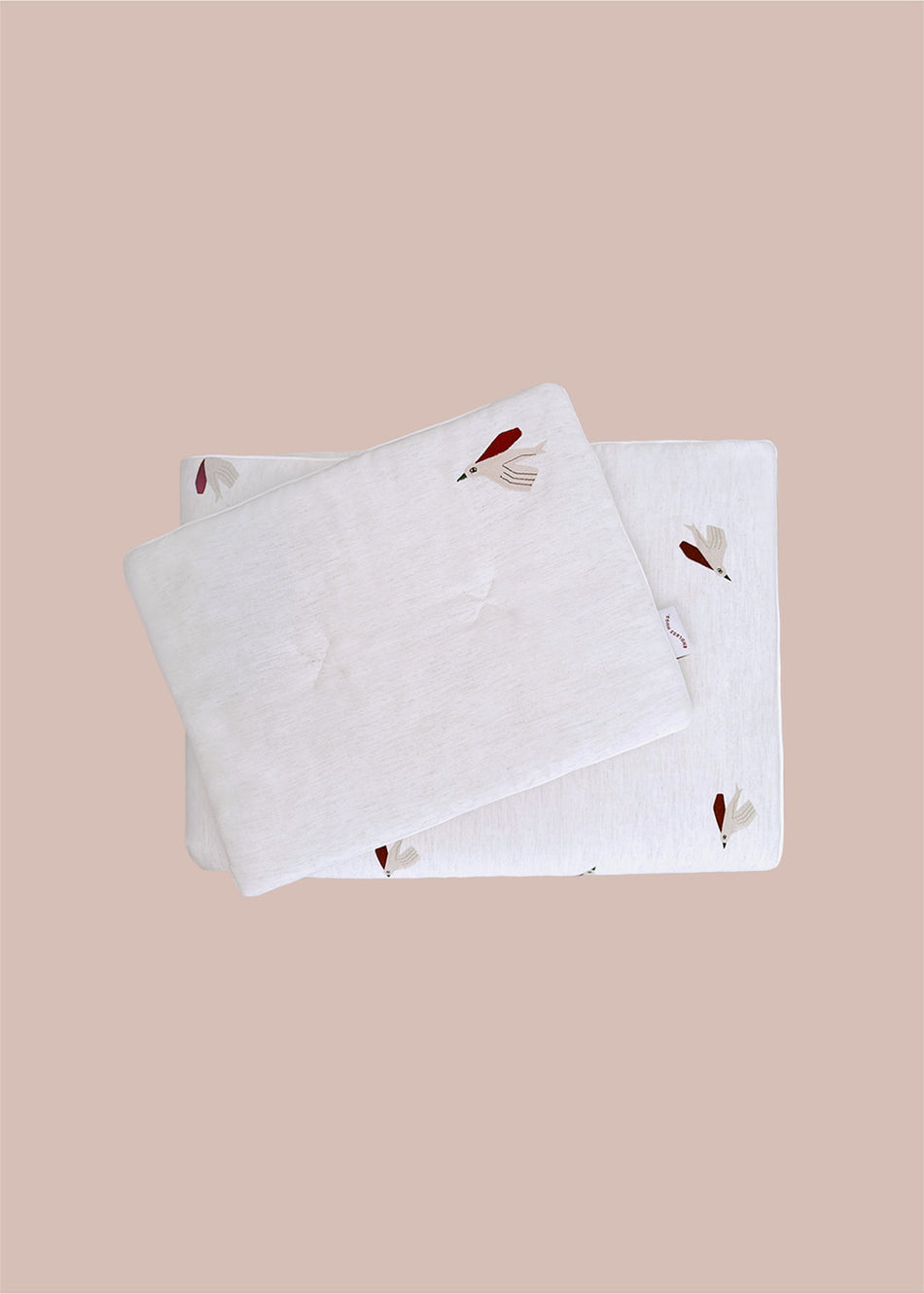
Organic cotton is another great choice for winter. Clothes, bedding, and diapers made from this material are gentle on the skin, breathable, and non-irritating. It's worth choosing products with the OEKO-TEX certificate, which guarantees the absence of harmful substances.
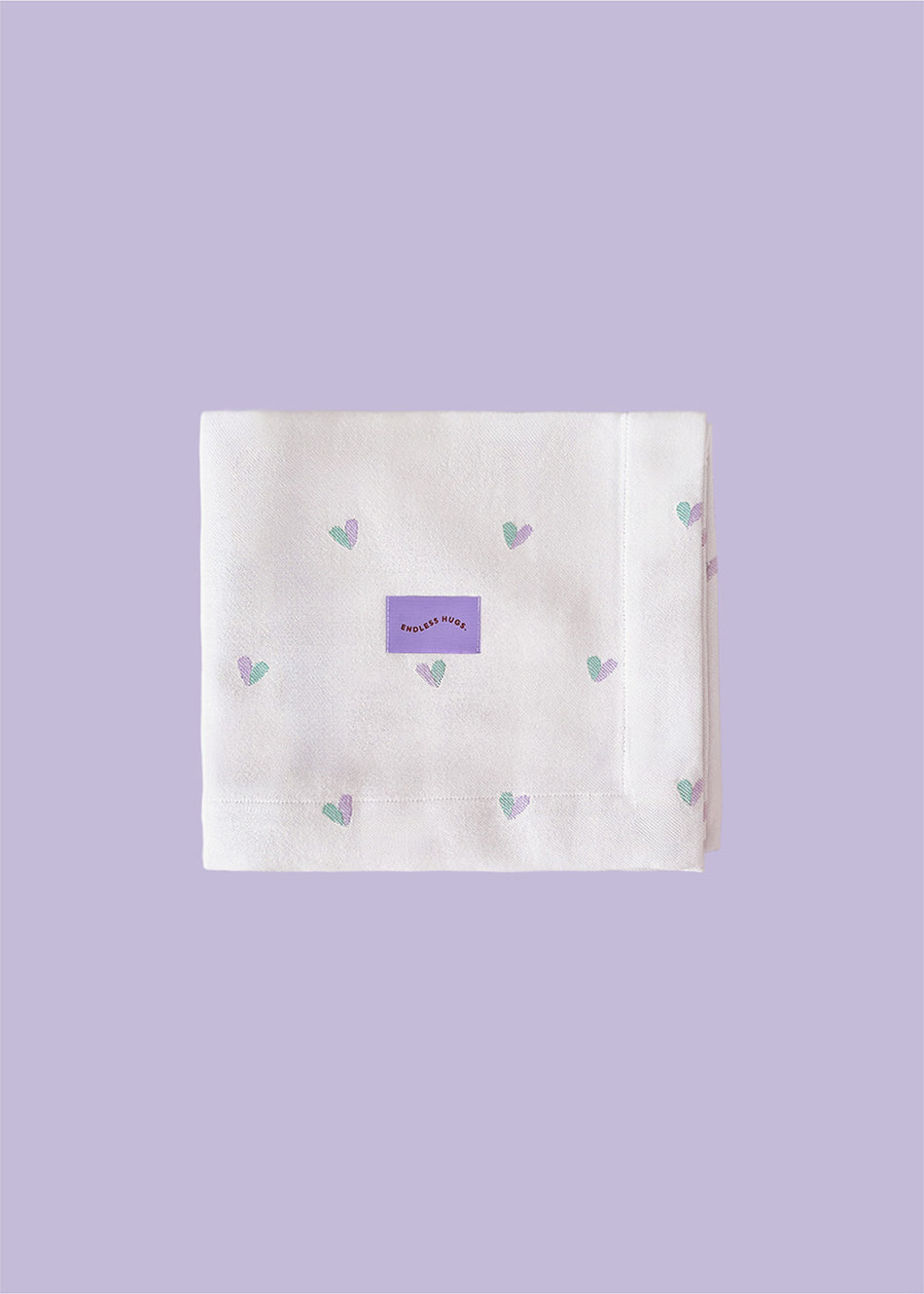
Muslin is a lightweight, breathable fabric that works perfectly as a delicate layer next to baby's skin in winter. Muslin wraps can be used as delicate towels after bathing or as wipes for baby's face and hands.

How to protect your baby's cheeks from frost during walks?
Protecting your baby's cheeks from frost is one of the most important elements of winter care. Before every outing, it's a good idea to apply a rich, protective cream to your baby's face, creating a barrier between the skin and the frosty air. It's best to apply it at least 30 minutes before a walk to allow time for it to absorb.
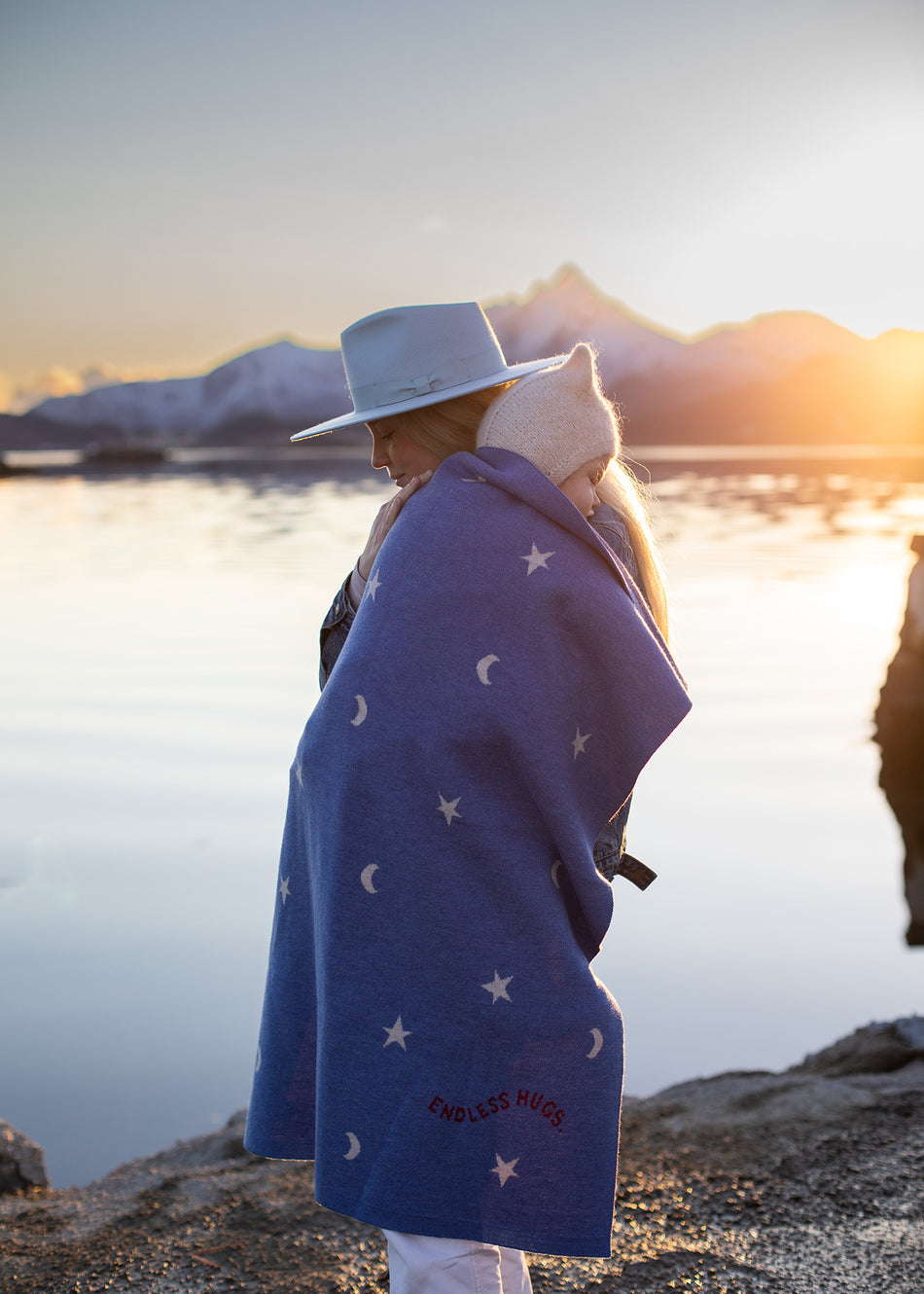
While walking, it's a good idea to protect your child's face with a hood or a hat with a cheek guard. On particularly frosty days, you can also use special stroller covers that protect against wind and frost while providing fresh air.
Once home, gently wash your child's face with warm water to remove any remaining cream, then apply a soothing moisturizer. If cheeks are red, you can use a cream with panthenol or allantoin, which accelerate skin regeneration.
What skin problems most often appear in babies in winter?
In winter, the most common problem is dry skin, which can manifest as redness, peeling, and even fine cracks. Cheeks are particularly vulnerable, as they come into direct contact with the frosty air, and skin folds, where moisture can accumulate.
In addition to dryness, infants are also more susceptible to eczema (atopic dermatitis), which can worsen in winter. It manifests as red, itchy lesions, most often in the creases of the elbows, behind the knees, on the wrists, and on the face.
Diaper rash is another common problem that can worsen in winter. Warm clothing and limited ventilation create a moist environment ideal for irritation. It's important to change diapers regularly and thoroughly dry the skin before putting on a new diaper.
How to properly dry a baby's skin after a winter bath?
After bathing, dry your baby's skin by gently patting with a soft towel, rather than rubbing. Bamboo or heavy-weight cotton towels are best , as they are both soft and absorbent. Pay particular attention to skin folds – under the neck, armpits, groin, and between the toes – where moisture can accumulate.
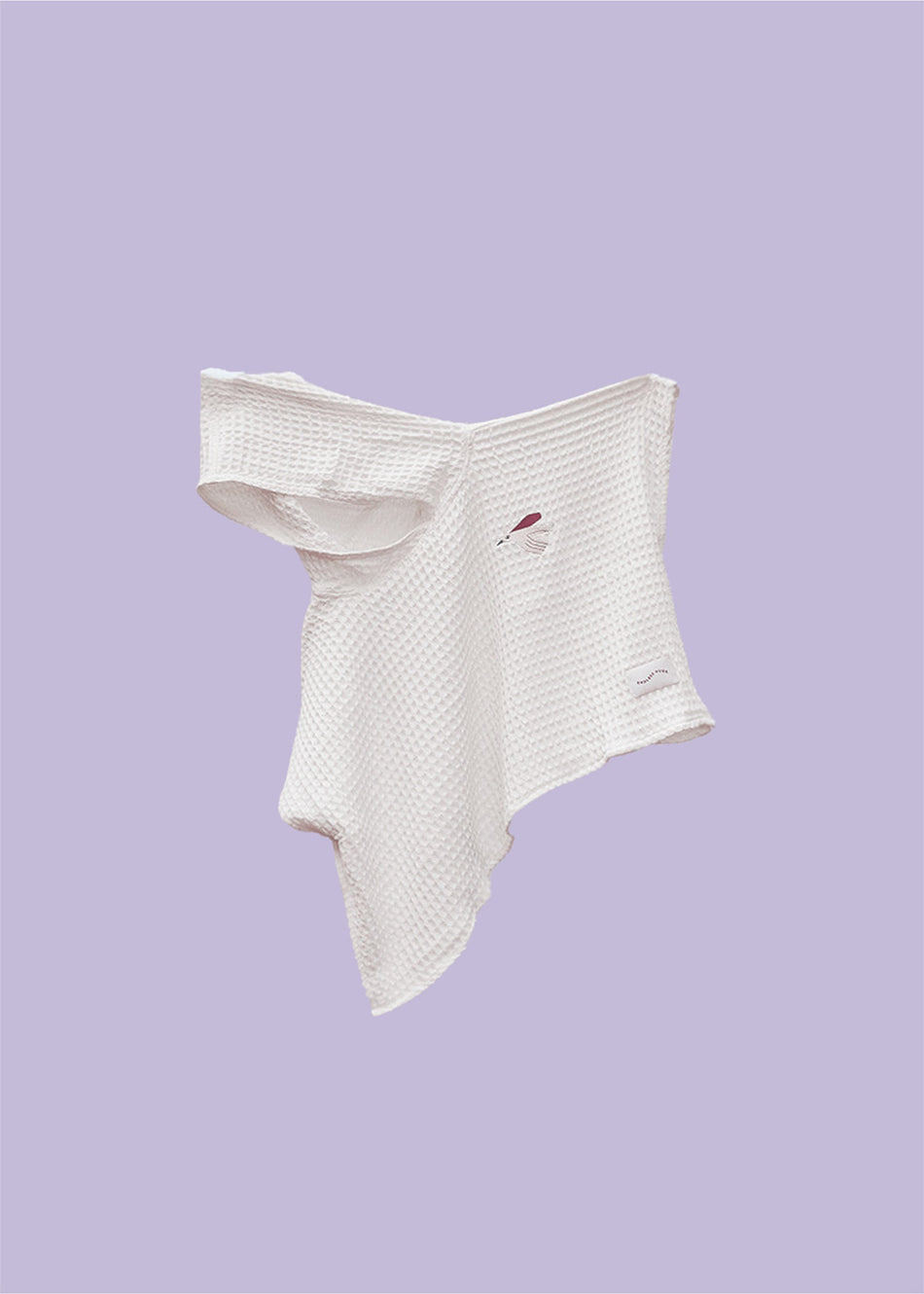
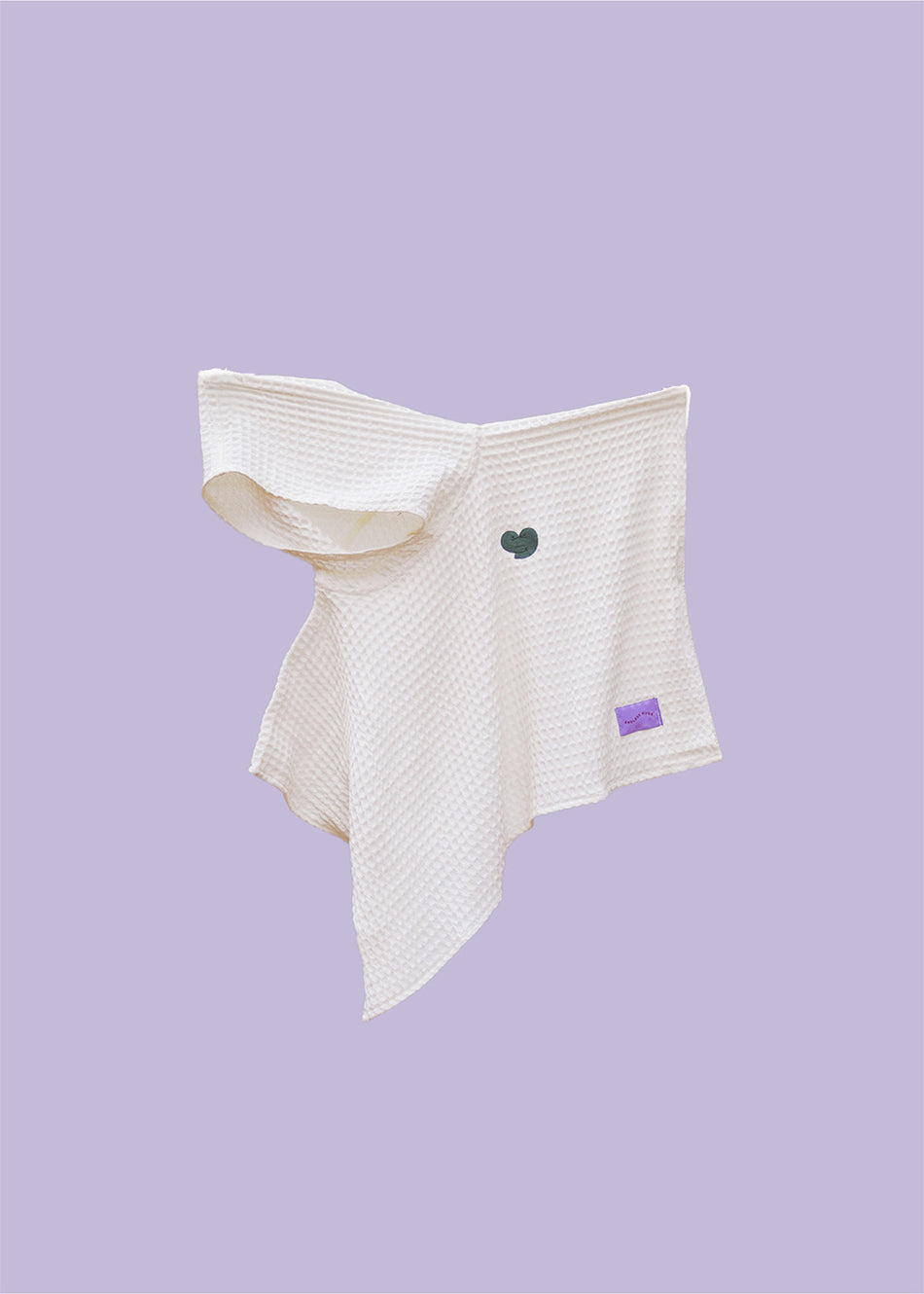
Hooded towels are a very practical solution , allowing you to quickly wrap and warm your baby's head after bathing. It's worth choosing products made from natural materials that don't cause irritation and are safe for baby's delicate skin.
After thoroughly drying the skin, but before it dries completely, apply an emollient. This treatment helps lock in moisture, preventing moisture loss and strengthening the hydrolipid barrier.
What ingredients in baby cosmetics are best for winter?
In winter, it's worth reaching for cosmetics containing ingredients with strong moisturizing and protective properties. The best include shea butter (karite), which perfectly moisturizes and softens the skin; avocado oil, rich in vitamins A, D, and E; and ceramides, which seal the epidermal barrier.
Allantoin and D-panthenol are soothing and regenerating ingredients, ideal for skin irritated by winter air. Glycerin and hyaluronic acid provide excellent hydration by attracting water to the epidermis, while natural oils such as almond and jojoba create a protective layer on the skin's surface.
It's best to avoid products containing alcohol, strong detergents, artificial colors and fragrances, and paraben preservatives. These ingredients can further irritate and dry out baby's sensitive skin, especially in harsh winter conditions.
How to maintain appropriate air humidity in a baby's room?
Proper air humidity in a baby's room is crucial for the condition of their skin. Optimal values are 40-60%. During the heating season, indoor air becomes exceptionally dry, which negatively impacts baby's skin.
It's worth investing in a good humidifier, preferably an ultrasonic one, which evenly distributes a fine mist of water throughout the room. However, remember to clean the device regularly to prevent the spread of bacteria and fungi.
Other simple ways to increase humidity include hanging wet towels on radiators, placing bowls of water in the room, and regularly airing the room (even in winter). Houseplants also provide natural humidity and further purify the air.

How to prepare a winter baby care kit?
The foundation of a baby's winter care kit should be high-quality, natural cosmetics: a gentle soap-free cleanser, a rich emollient or body butter, a protective cream for walks, and a soothing balm for irritations. It's best to choose products with minimal ingredients to minimize the risk of allergic reactions.
Bath accessories made of natural materials are also essential: soft bamboo towels that do not irritate the skin, muslin washcloths that gently cleanse, and comfortable bath accessories such as a non-slip mat or a water thermometer.
It's also worth considering appropriate underwear and bedding made from natural materials. Organic bamboo or cotton bodysuits, sleepsuits, and sheets will be gentle on baby's skin while providing proper thermoregulation. Remember that products from Polish manufacturers are often characterized by higher quality and are designed with local climatic conditions in mind.
Winter baby skin care requires special attention and carefully selected products. By choosing natural materials and gentle cosmetics, we can effectively protect a baby's sensitive skin from unfavorable weather conditions. The Endless Hugs brand , offering products made from natural materials, supports parents in daily care, combining the highest quality craftsmanship with concern for the well-being of their little ones. Remember that systematic and conscious care is the key to healthy and happy baby skin, even during the most demanding winter months.