



Winter-themed sensory toys and activities: 12 simple DIY ideas for your home
The winter months are the perfect time to engage your child's senses in creative activities at home. When it's freezing and snowy outside, a cozy home becomes a space brimming with potential for sensory exploration. Sensory-stimulating activities not only support children's neurological development but also provide the entire family with warm, shared moments amidst the winter chill.
Sensory stimulation is fundamental to a child's proper development—it influences motor coordination, concentration, and even social skills. At-home sensory play using natural, safe materials is an ideal way to support young explorers in exploring the world with all their senses. Furthermore, winter sensory activities can be prepared with simple, often recycled materials, making them not only developmentally beneficial but also eco-friendly.
Why is sensory play so important in a child's development?
Sensory activities are true fuel for a child's developing brain. Each sensory experience creates new neural connections, strengthening the neural networks responsible for processing stimuli. Regular tactile, visual, auditory, and olfactory stimulation supports the development of sensory integration—the process by which the brain correctly interprets information from the senses.
During winter, when outdoor activities are limited, sensory play at home takes on particular importance. It allows children to explore and learn through experience, while also providing a safe space for expressing emotions and developing creativity. Play that engages with different textures, temperatures, and sounds prepares a child's nervous system to cope with a variety of stimuli in the future.
Moreover, winter sensory activities can be an effective way to release excess energy and reduce stress in children who spend more time in closed spaces.

How to create winter sensory snow at home?
Fake sensory snow is a real hit among winter tactile games. The simplest recipe requires only two ingredients: 2 cups of baking soda and about half a cup of hair conditioner (preferably white). After mixing, the result is a cool-to-the-touch, fluffy snow-like mass that not only molds beautifully but also feels pleasantly cool on your hands.
A more advanced version is snow made from disposable diapers. Simply cut open the diaper, remove the absorbent, and mix it with water. The resulting material resembles real snow in texture and can be used as a base for building miniature snowmen or winter landscapes. To enhance the sensory experience, you can add a few drops of pine or peppermint essential oil, introducing an element of aromatherapy.
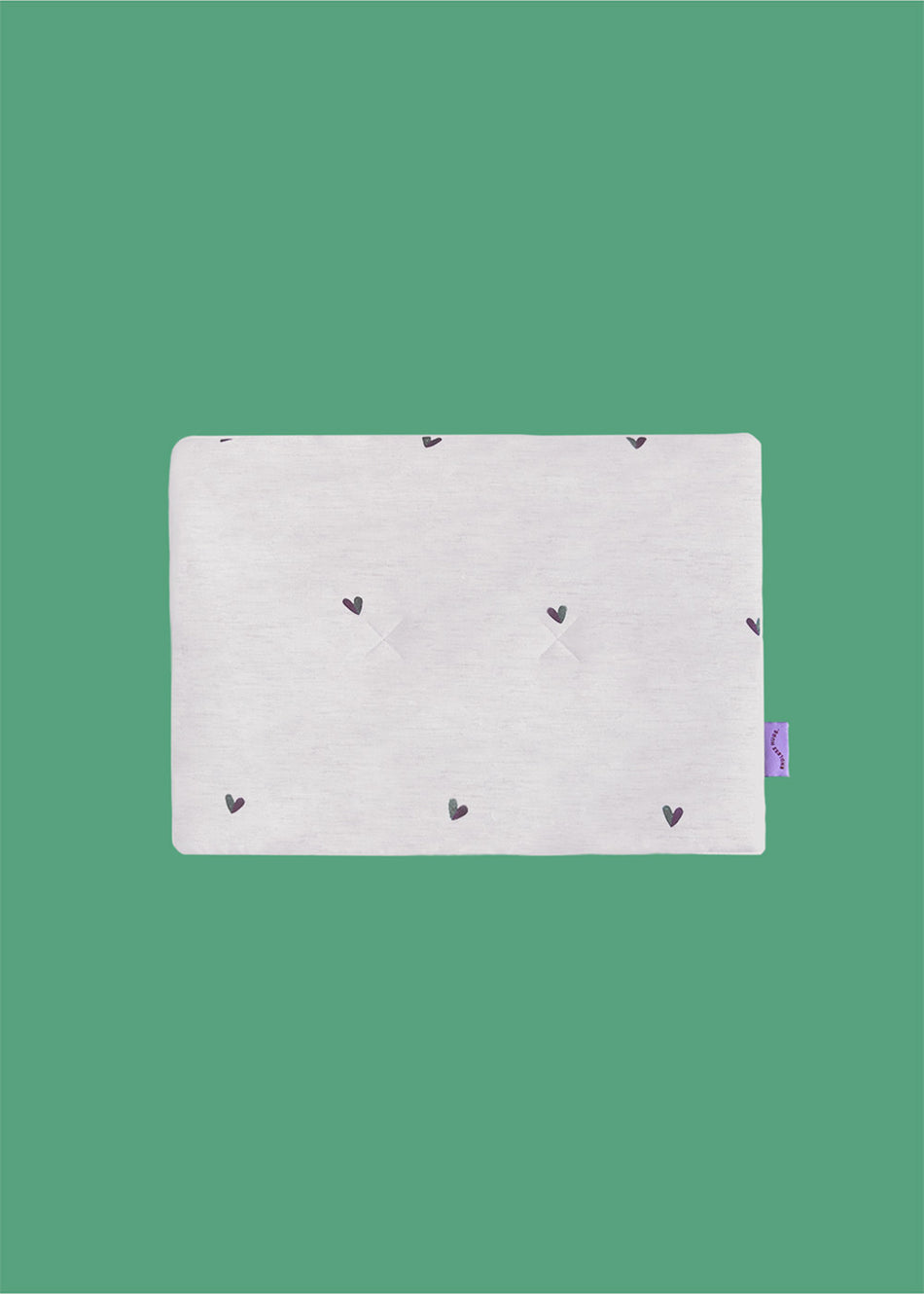
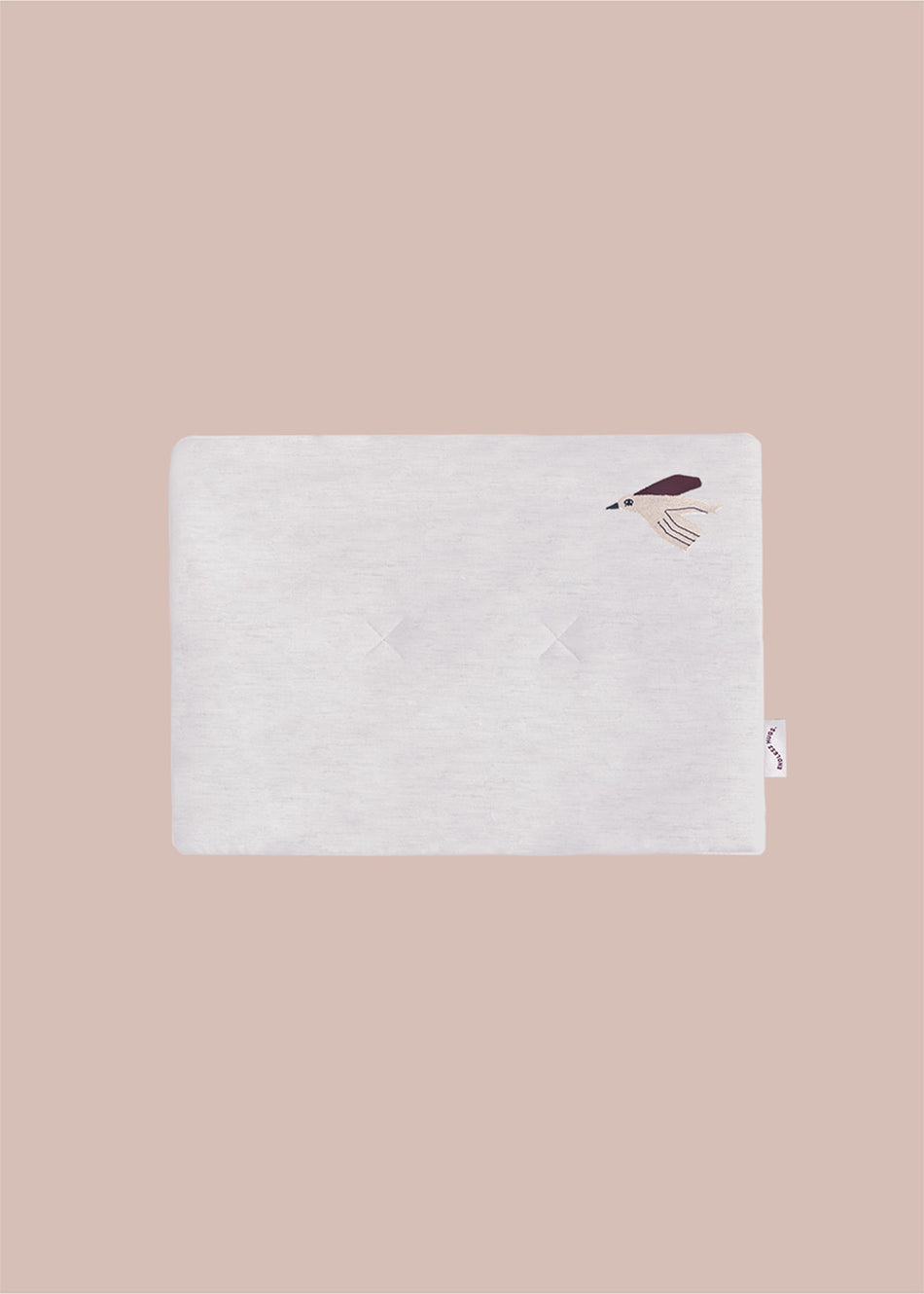
Winter sensory snow will work great on a sensory tray lined with soft bamboo material, which will retain any scattered particles and make cleaning up easier.
What winter sensory trays should you prepare for different age groups?
For babies (6-12 months), a tray with contrasting elements in winter colors is ideal – white and blue fabric pieces in different textures (muslin, fleece, linen), large wooden beads in cool shades, and soft, safe elements with different textures. A variety of tactile stimuli while maintaining safety is key – all elements must be large enough to prevent swallowing.
Children aged 1-3 will appreciate a tray inspired by a winter forest: pine cones, pebbles, sticks, pieces of bark, and natural fabrics in shades of white and blue. You can also add safe figurines of forest animals and small containers of aromatic herbs (cinnamon, cloves) to stimulate their sense of smell.
Preschoolers (ages 3-6) can explore more complex themed trays, such as "Arctic Adventure," with polar animal figurines, pebbles, seashells, ice chips, and natural fabrics in various shades of white and blue. Pipettes and colored water are a great addition for melting ice experiments.
How to prepare winter sensory bottles?
Winter sensory bottles are a fascinating visual activity that can be easily made at home. The base is a clear plastic bottle with a secure, airtight lid. Pour a mixture of water, glycerin, and a little dish soap inside, then add winter-themed decorative elements: blue and silver glitter, small plastic snowflakes, white confetti, or pieces of aluminum foil.
A more advanced version is a "snowflake" bottle. To a clear bottle filled three-quarters with water, add white acrylic paint, glitter, and a few drops of baby oil (this slows the "snow" from falling). Close the bottle tightly, secure with glue, and you're done! Shaking the bottle creates a swirling snowflake effect, which fascinates both babies and older children.
Sensory bottles are not only visual, but also auditory and tactile fun - different fillings generate different sounds when shaken, and the bottle itself can be warm or cooled, providing additional thermal sensations.
How to use muslin and bamboo for winter sensory play?
Natural fabrics are a treasure in a parent's sensory repertoire. Muslin diapers, thanks to their delicate, airy structure, can serve as "magic wipes" in hide-and-seek games – covering and uncovering toys under the muslin is a simple activity that develops infants' memory and visual perception.
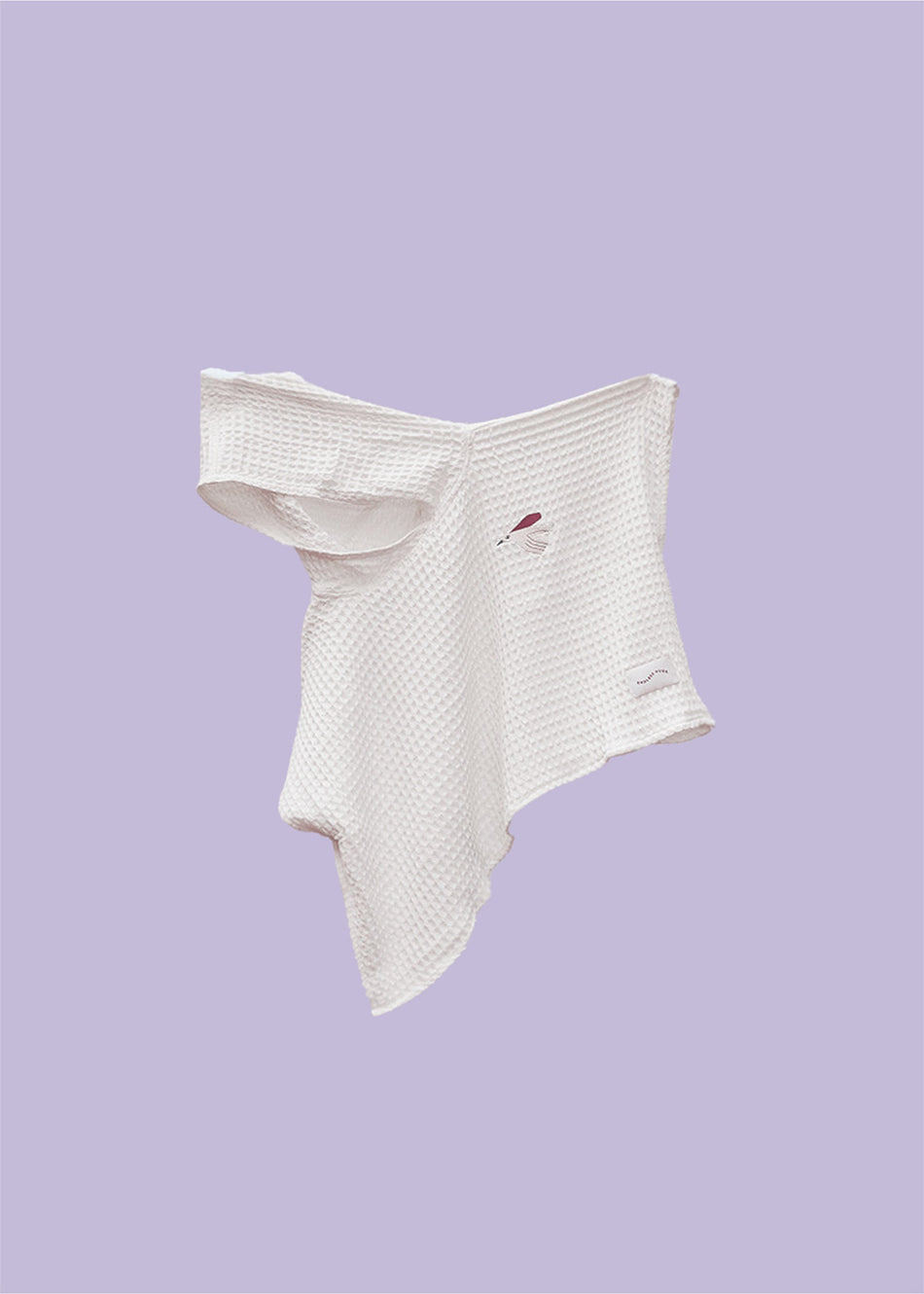
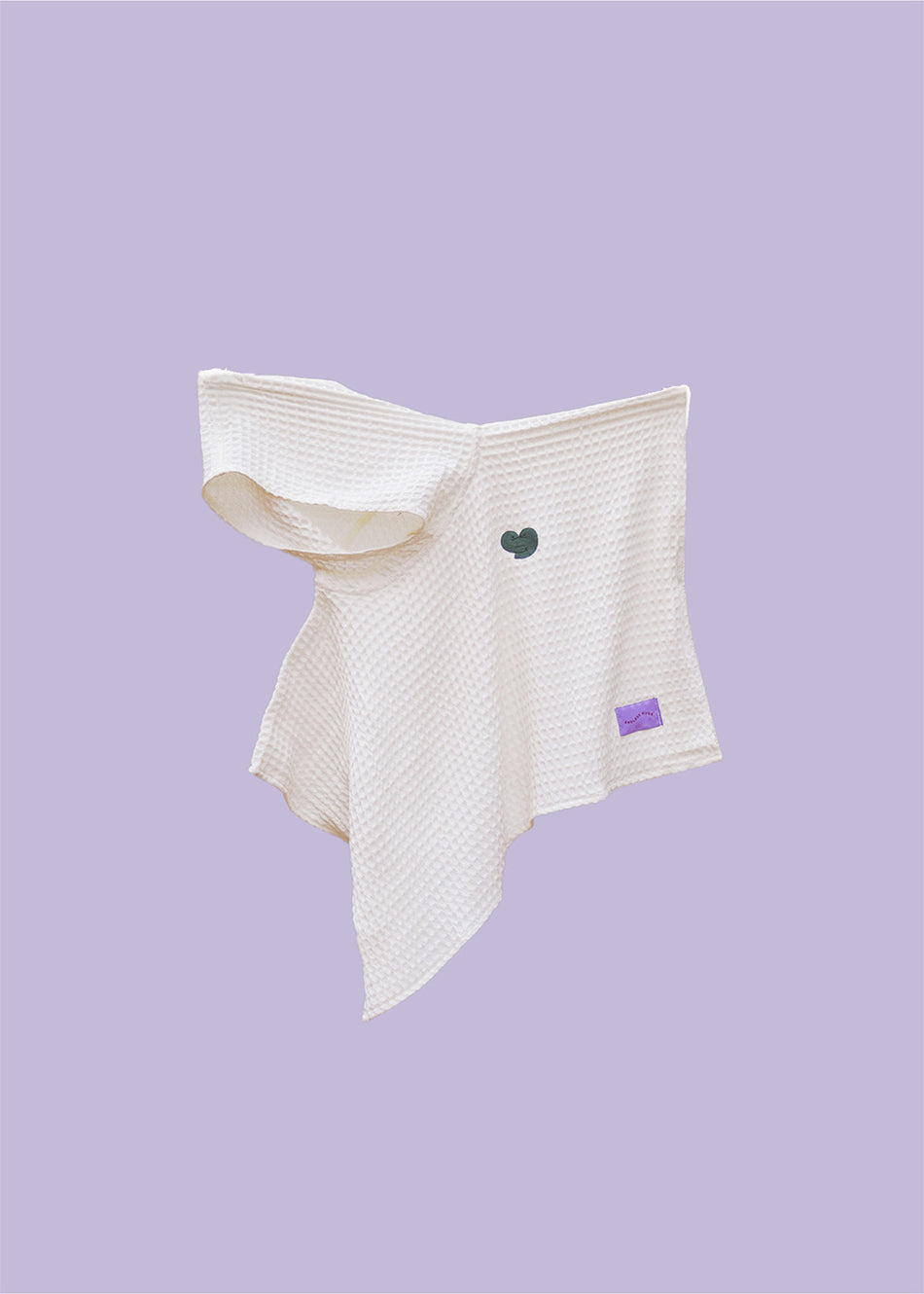
Bamboo swaddles , known for their softness and absorbency, are perfect for playing "hot and cold." Simply prepare two bowls—one with warm water, the other with ice cubes—and let your baby soak pieces of bamboo fabric in them, observing how the material changes temperature. This is a great tactile exercise that teaches them to recognize temperature differences.
Both muslin and bamboo fabrics can be used to create "sensory books" by sewing together various pieces of fabric with different textures and colors. Such a book becomes a portable center of tactile stimulation, perfect for winter days spent indoors.

Winter sensory play using natural products - what to choose?
Kitchen pantries hold true sensory treasures. Rice dyed blue or white is a perfect base for winter treasure hunts – simply hide small objects inside and let your child find them using their fingers or a spoon. Adding pine oil will add a wintery aroma to the fun.
Semolina mixed with a little oil creates a paste resembling fresh snow, ideal for modeling. Dried fruits and spices (cinnamon, cloves, anise) can be used to create winter fragrances or as natural decorative elements in themed games.
Particularly valuable are fully biodegradable products, safe even for the youngest explorers. It's worth remembering that the best sensory toys are often the simplest, made from materials we already have on hand.
Can winter water play be safe and educational?
Contrary to popular belief, winter is a great time for water experiments, which can be a fascinating physics lesson for young children. Freezing water with natural dyes (e.g., beetroot juice or spinach) in various molds allows you to create colorful ice blocks. Placed in a bowl or on a tray, they make great construction materials, while also stimulating the sense of touch through temperature contrast.
Ice melting experiments are another valuable activity. You can freeze small toys in ice cubes and then encourage your child to "release" them using warm water, salt, or even the warmth of their own hands. This is not only great fun but also teaches them about the properties of matter and the changes in state of matter.
The safety of such play is ensured by properly preparing the space - bamboo towels or pads will perfectly absorb spilled water, preventing clothes or the floor from getting wet.
How to create winter sensory bags for babies?
Sensory bags are a safe alternative for little ones who put everything in their mouths. To create a winter version, we need sturdy zip-lock bags (preferably double-zippered for safety), which we fill with hair gel, blue food coloring, glitter, and small, safe decorative elements like sequins or small buttons.
To reinforce the bag, it's a good idea to tape the edges to prevent it from tearing. Once the bag is ready, you can tape it to the floor or a table, creating a fascinating surface for touching and moving the elements inside. This is an ideal sensory toy for babies, who can safely explore a variety of textures and colors.
An alternative version is bags filled with vegetable oil with the addition of blue paint and snowflake-shaped confetti - creating a winter snowball effect.

What winter plasticine can you make at home?
Homemade play dough is a classic sensory activity that takes on a new dimension with its winter twist. The basic recipe is: 2 cups flour, 1 cup salt, 2 tablespoons oil, 1 cup water, and a tablespoon of citric acid. After boiling and mixing, the resulting dough becomes a malleable mass that can be tinted in winter colors (blue, white, silver) and enriched with winter flavors (e.g., peppermint oil).
Kinetic artificial snow can be made by mixing 1 cup of baking soda with 1/4 cup of coconut oil. This mixture resembles wet snow, forms perfectly, and doesn't dry out. You can leave footprints in it, build winter landscapes, or create small sculptures.
For children allergic to flour, rice dough is a great alternative: ground rice is mixed with a little water and liquid glue (safe for children). This dough has an interesting, lumpy texture resembling snow and is completely gluten-free.
How to engage all of your child's senses in winter sensory play?
Comprehensive sensory stimulation requires engaging all the senses. For visual stimulation, consider winter "sensory bottles" with shiny elements or Christmas tree lights placed under a transparent material. For hearing, create "snow" instruments—boxes filled with rice or bells strung on a string.
We can stimulate the sense of touch through a variety of textures—from smooth ice sheets to fluffy "snowy" masses. For a sense of smell, prepare bags of winter spices (cinnamon, cloves) or oils (spruce, pine), and for taste, ice lollies made from frozen, natural fruit juices.
It is worth remembering about the sense of proprioception (deep sensation) - rolling in a "snow" blanket or wrapping in bamboo swaddles provides valuable stimuli for the child's nervous system.
How to properly prepare a space for winter sensory play?
Organizing your space is key to successful sensory play. It's worth designating a dedicated area—perhaps a picnic mat, a large towel, or a special sensory mat. The environment should be calm, without too many distractions. Background music with gentle, winter sounds (e.g., the crackle of a fire in the fireplace, delicate bells) can enhance the experience.
It's best to prepare play materials in advance and place them within easy reach in clear containers. Bamboo towels or mats are particularly useful, as they protect surfaces from dirt and facilitate cleanup after play. Natural fabrics are perfect as the basic equipment for a sensory corner – they are soft, absorbent, and gentle on children's skin.
Let us remember that the most important thing is the presence and involvement of the parent - it is the shared sensory exploration that builds not only new neural connections, but also an emotional bond between the child and the caregiver.
Winter sensory games for children of different ages - how to adjust the level of difficulty?
The youngest babies (0-12 months) need simple sensory stimuli – soft materials with different textures, contrasting colors, and gentle sounds. Bamboo wraps for tugging, muslin diapers for playing peek-a-boo, and soft sensory pouches for observing and touching are ideal for them.
Toddlers (ages 1-3) will appreciate more interactive play – searching for "treasures" in rice or cereal, simple experiments with ice, and playing with modeling clay. At this stage, the opportunity for independent exploration under the watchful eye of a parent is crucial.
Older preschoolers (3-6 years old) can participate in more complex activities - creating their own clay according to a recipe, constructing winter landscapes from various materials, or conducting simple science experiments with freezing and thawing.
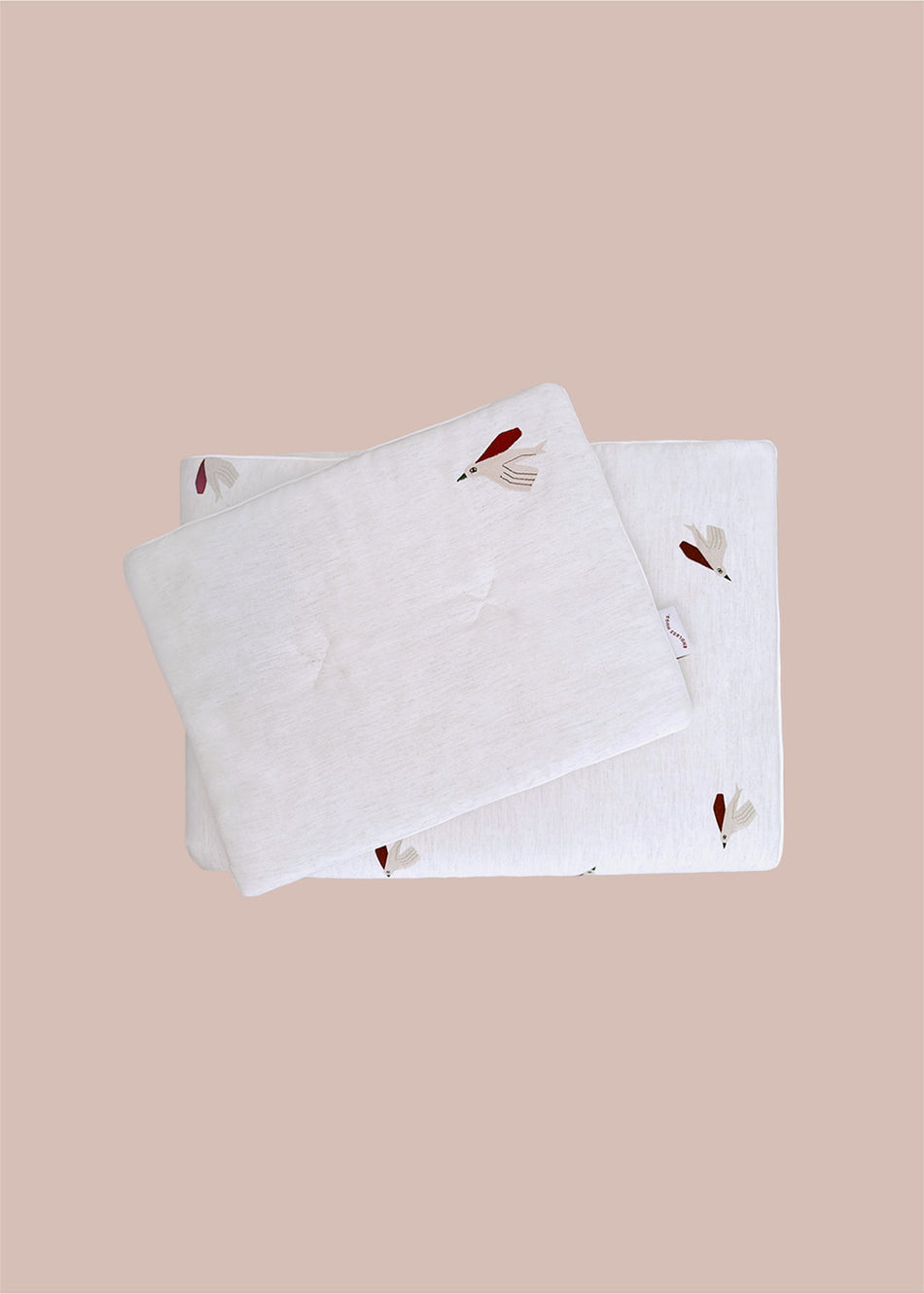
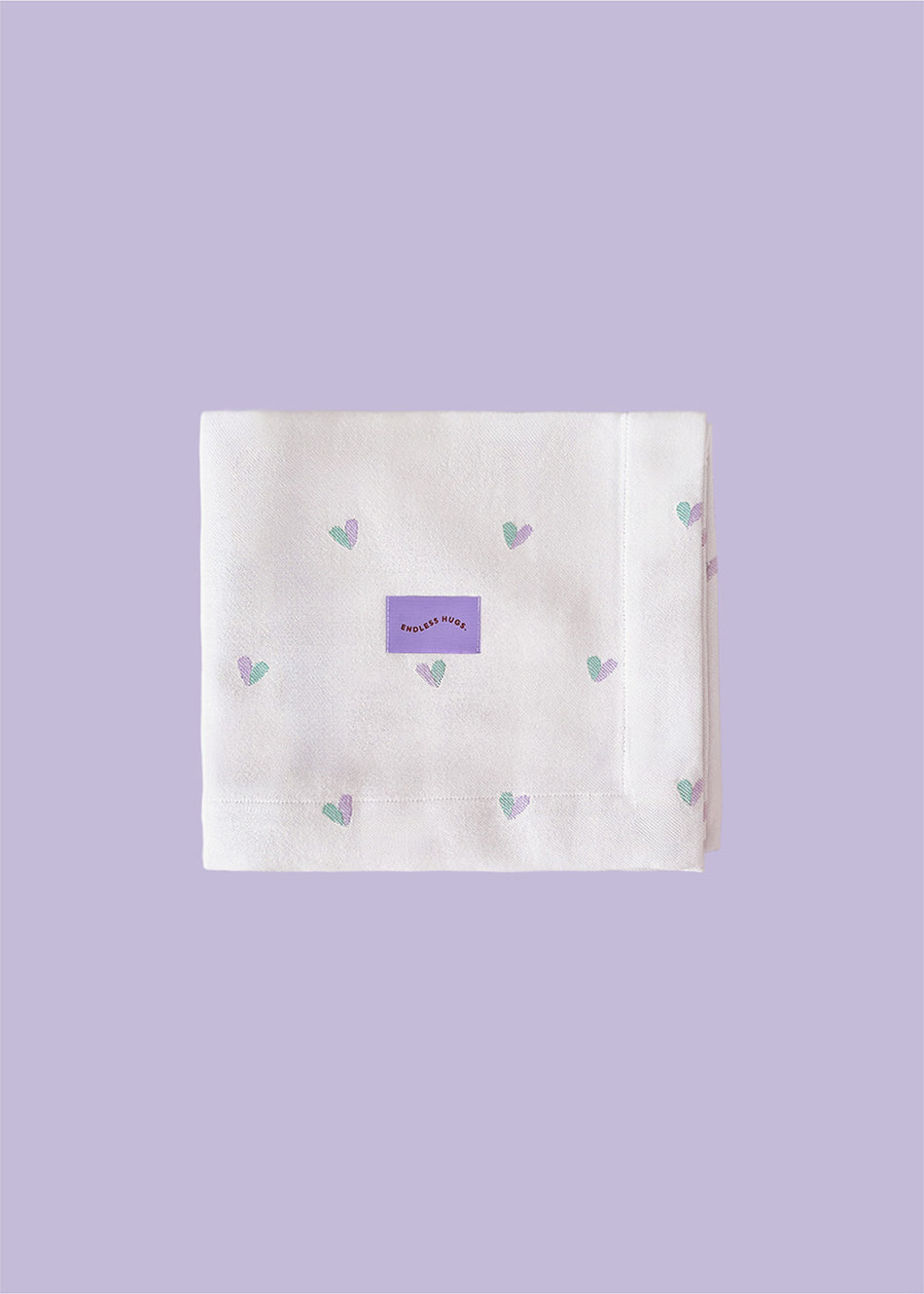
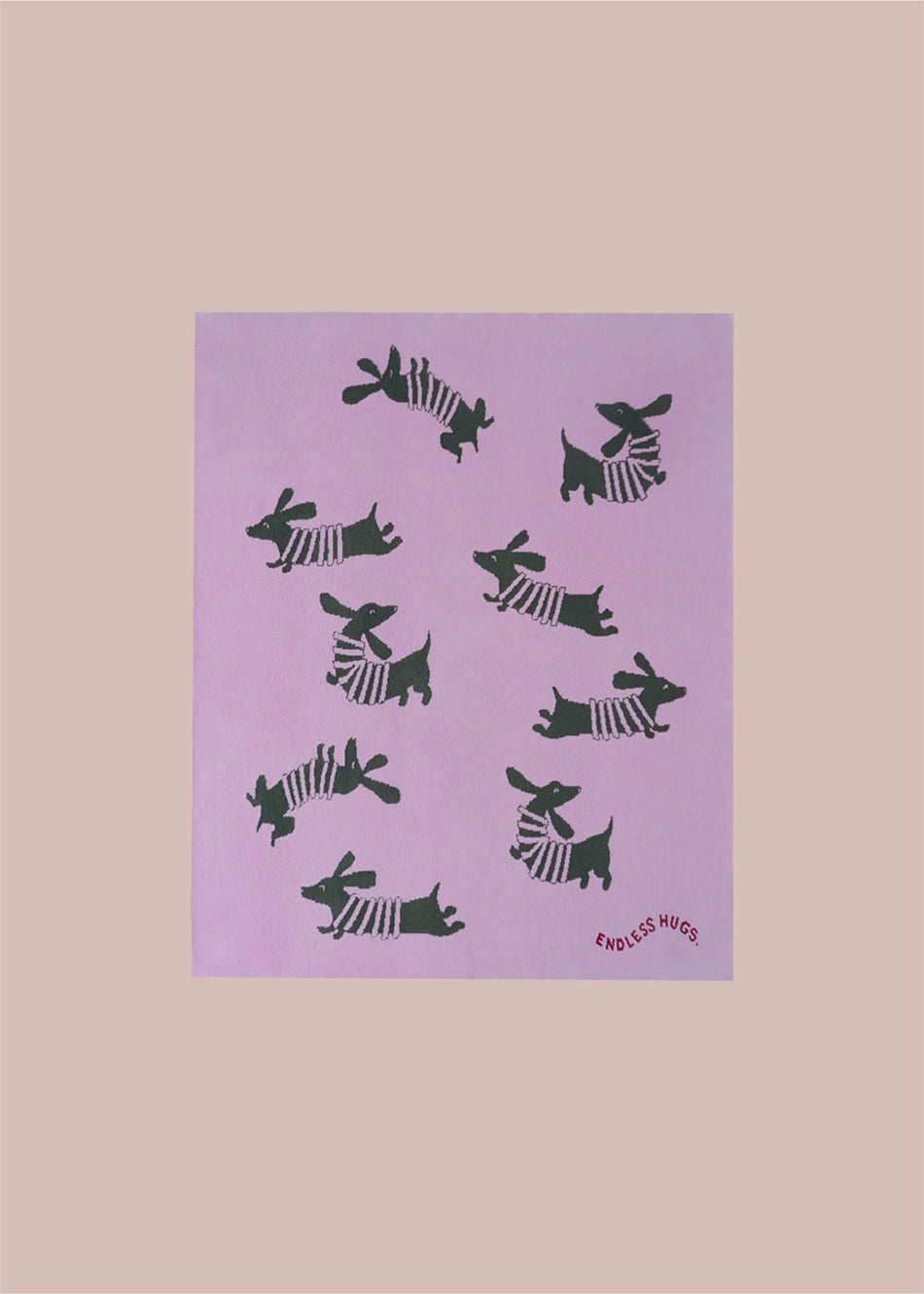
Regardless of the child's age, Polish products made from natural materials, such as Endless Hugs bamboo fabrics , are an excellent base for creating safe, skin-friendly accessories for sensory play.