




Advent calendar for toddlers: developmental and sensory activities instead of sweets
The pre-Christmas period is a magical time that can become a true developmental adventure for children. Traditional Advent calendars filled with sweets and small toys are gradually giving way to more valuable alternatives. More and more parents are seeking solutions that will not only make the anticipation of Christmas more pleasant for their children but also support their development.
An Advent calendar with developmental tasks and sensory activities is a perfect option for toddlers aged 1-3. Instead of sugar and plastic gadgets, children discover a new challenge every day that engages their senses, stimulates curiosity, and supports the acquisition of new skills. It's a way to celebrate Advent together, builds bonds, and simultaneously stimulates healthy development.
Why is it worth replacing sweets with developmental tasks in an Advent calendar?
Traditional Advent calendars with sweets may seem appealing, but for a young child, eating chocolate or candy every day isn't the best solution. Excess sugar can affect a child's behavior, contribute to sleep problems, and, in the long run, develop unhealthy eating habits.
Developmental tasks and sensory activities are an excellent alternative that provide long-lasting benefits for children. Sharing simple tasks strengthens the parent-child bond, and the variety of activities stimulates cognitive, motor, and emotional development. Furthermore, such a calendar teaches children that joy can come from experiences and experiences, not just material gifts.
What developmental tasks will work well in an Advent calendar for a one-year-old child?
The youngest toddlers benefit most from simple sensory activities that engage their senses. Activities ideal for a one-year-old include touching various textures (e.g., pieces of bamboo, muslin, or cotton fabric), pouring bath water using colorful cups, or playing with a safe sensory container filled with rice or cereal.
It's also worth introducing simple sound games, such as shaking homemade rattles or listening to various instruments. A one-year-old child will be fascinated by discovering new textures, sounds, and colors. Remember, safety is paramount at this age – all materials should be large enough to prevent swallowing, and play should always be under the watchful eye of a parent.
Advent calendar for a two-year-old - what sensory activities should you plan?
Two-year-olds demonstrate greater manual dexterity and are eager to take on more complex tasks. An Advent calendar for these little ones can include activities like finger painting on large sheets of paper, sculpting with safe salt dough, playing with colored bath foam, or sorting objects by color.
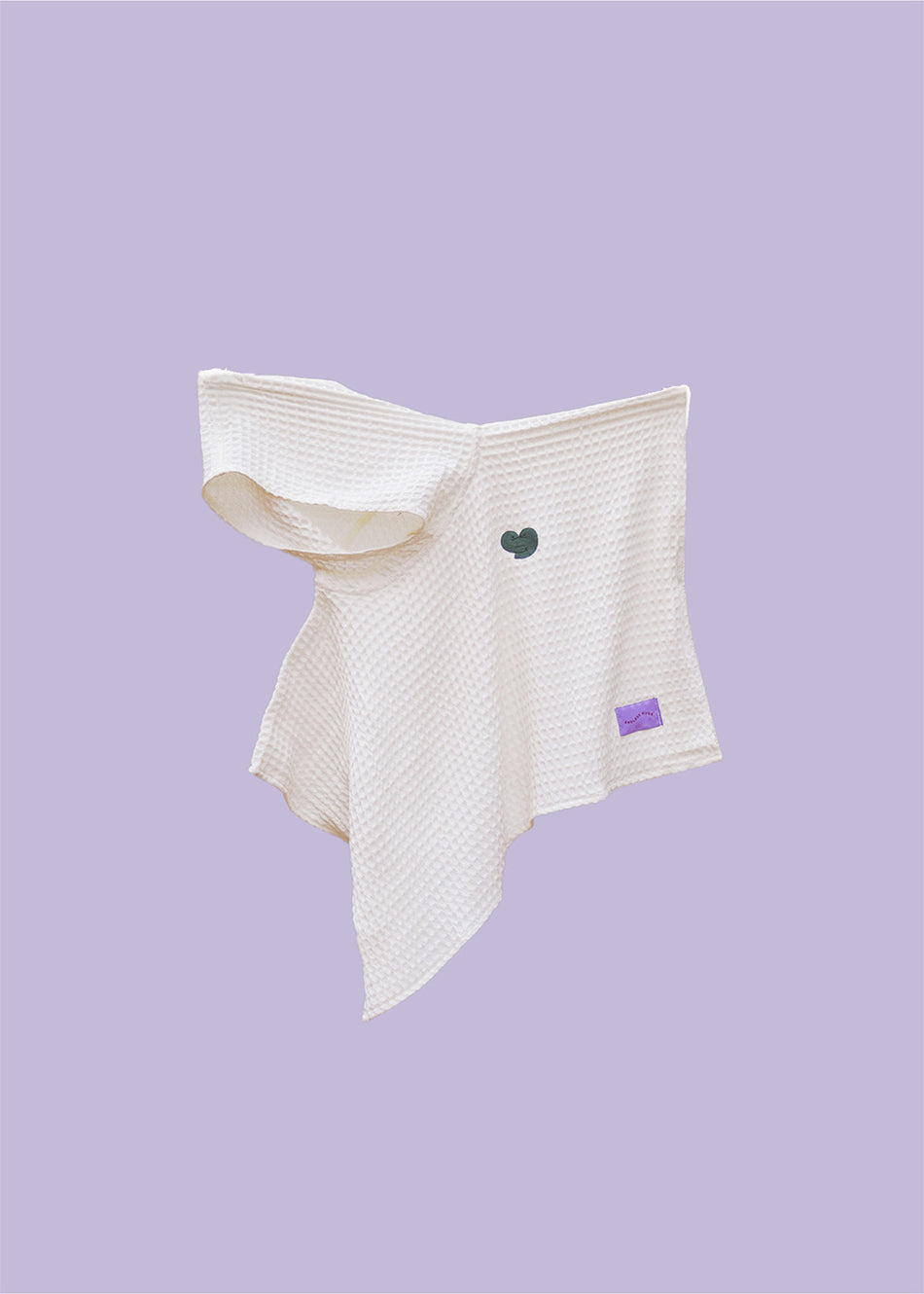
Two-year-olds also love active play – dancing with colorful muslin scarves, playing an obstacle course with pillows and blankets, or searching for hidden objects are all activities that will bring them lots of joy while supporting the development of coordination and balance. Natural materials, such as bamboo swaddles , which can be used as "magic cloaks" or "butterfly wings," add an extra sensory dimension to these games.

Sensory activities in an Advent calendar for a three-year-old
Three-year-olds are ready for more complex tasks. Their Advent calendar might include suggestions for preparing simple holiday baked goods together, creating decorations from natural materials (pine cones, twigs, oranges), experimenting with water and ice, or playing drama games using puppets made from bamboo cloths.
Three-year-olds also enjoy tasks that require precision, such as threading pasta onto string, making patterns with buttons, or tracing. These activities are excellent for developing fine motor skills and preparing the hand for learning to write. It's also worth introducing games that support social development, such as role-playing with stuffed animals or singing Christmas songs together.
How to prepare an Advent calendar with development tasks?
Preparing an Advent calendar with developmental activities doesn't have to be complicated. The simplest solution is to write down 24 activities on colorful cards and place them in envelopes marked with numbers 1 to 24. The envelopes can be hung on a string, pinned to a cork board, or hidden in various places around the house.
A more advanced option is to create a calendar from textile materials. You can use bags made from remnants of natural fabrics—cotton, linen, or muslin. Such bags, in addition to cards with activities, can contain small accessories needed for the activity, such as colored pencils, seeds for planting, or pieces of colorful fabric for sensory play.
Remember that tasks should be tailored to the child's age and abilities. It's a good idea to plan them so that some can be completed quickly, while others require more time. This will allow parents to flexibly fit activities into their daily schedule.
Sensory materials ideal for Advent activities - what to choose?
When planning sensory activities, it's worth choosing natural, child-safe, and environmentally friendly materials. Bamboo and muslin fabrics are excellent choices due to their unique tactile properties. Bamboo is incredibly soft and pleasant to the touch, while also possessing natural antibacterial properties. Muslin, on the other hand, has a distinctive, slightly rough texture that creates an engaging sensory experience.
In addition to fabrics, it's worth collecting natural materials like wooden clothespins, pebbles, pine cones, dried fruit, spices with intense aromas (cinnamon, cloves), various types of pasta, beans, and peas. These simple and readily available materials can be used to create sensory containers, manipulative games, and crafts.
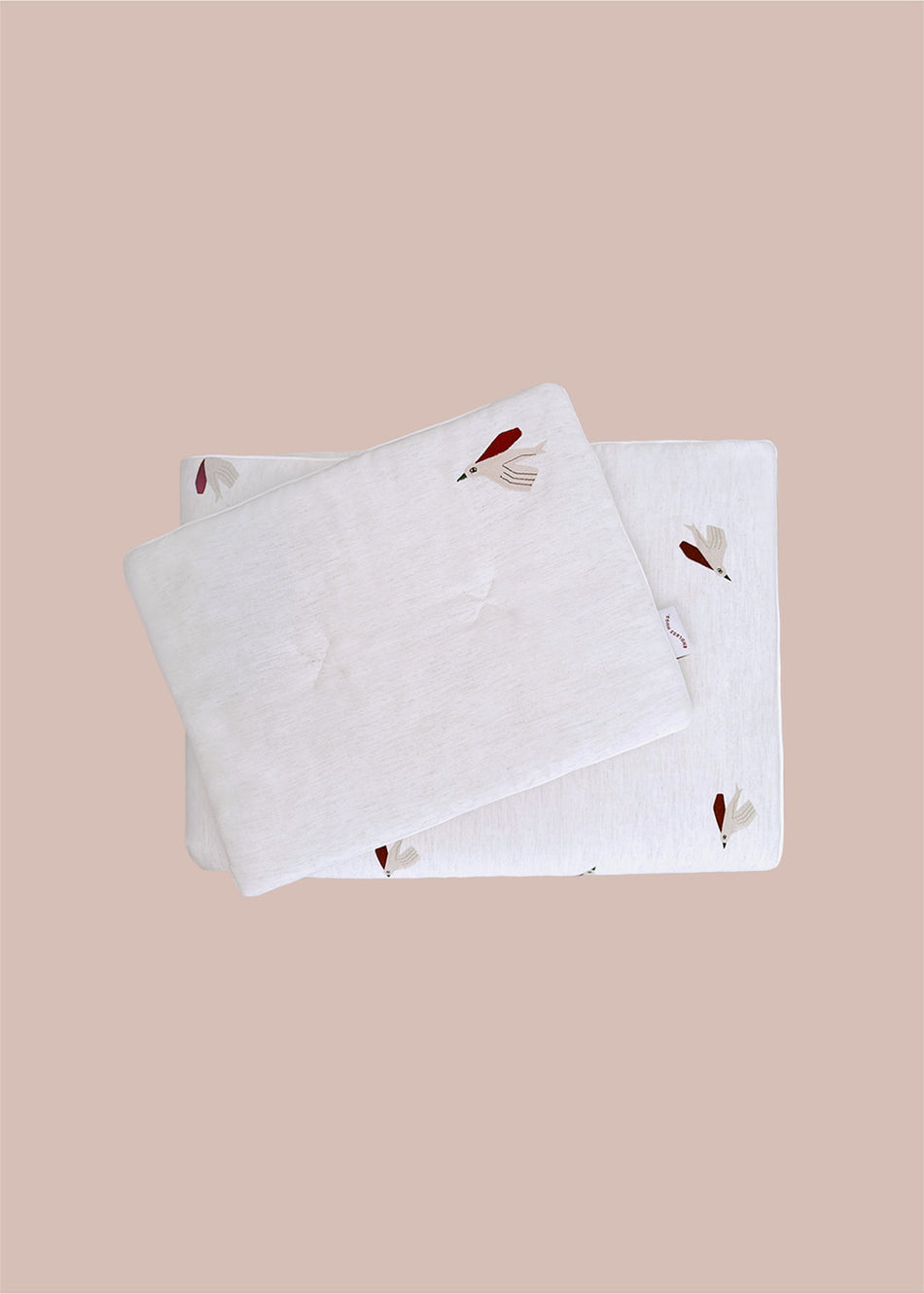
Polish brands like Endless Hugs offer high-quality products made from natural fabrics that are perfect for sensory play. Bamboo swaddles, muslin diapers , and soft towels can be used both as play elements and as practical additions to your baby's daily care routine.

Sample developmental tasks for an Advent calendar for toddlers
-
Painting on cling film stretched on a table - developing creativity and hand-eye coordination,
-
playing hide-and-seek with stuffed animals - cognitive and emotional stimulation,
-
making snowballs from white fluffy fabric - development of fine motor skills,
-
baking gingerbread cookies together - a sensory experience involving smell and taste,
-
playing with colored water and pipettes - learning cause and effect,
-
treasure hunting in a bowl of rice - tactile stimulation and concentration.
How to adapt sensory tasks to the seasons and holidays?
The winter weather is perfect for sensory play related to Christmas. We can plan activities that utilize natural elements of the winter landscape: bringing snow indoors and watching it melt, creating ice decorations, or painting in the snow with colored water.
Christmas scents can also be a part of sensory play. Baking gingerbread cookies together, making orange ornaments with cloves, or creating scented bags with cinnamon, cloves, and dried fruit are all activities that will immerse your child in the magical atmosphere of the holidays while stimulating their sense of smell.
It's also worth incorporating Christmas sounds into your child's routine – listening to and singing carols, creating instruments from recycled materials, and playing rhythmic games with Christmas music. These activities support the development of musical hearing and a sense of rhythm.
The developmental benefits of a sensory advent calendar
An Advent calendar with sensory activities is much more than just a way to make the anticipation of the holidays more pleasant. Regular sensory-stimulating activities support the development of a child's nervous system, which translates into better sensory integration, concentration, and motor coordination.
Sensory play helps children explore and understand the world, developing their ability to focus and self-regulate their emotions. Furthermore, performing tasks together builds a bond between child and parent, teaches cooperation, and provides both with a wealth of joy.
Neuroscience confirms that early sensory experiences are crucial for a child's brain development. A variety of tactile, visual, auditory, and kinesthetic stimuli stimulate the formation of new neural connections, which translates into better cognitive functioning later on.

How to maintain a balance between fun and overstimulation in an Advent calendar?
When planning an Advent calendar with sensory activities, it's important to keep balance in mind. Too much intense stimuli can lead to overstimulation in a child, which can manifest itself as anxiety, difficulty falling asleep, or overexcitement.
A good practice is to alternate dynamic activities (like active play) with calming ones (like reading books or foot massages). It's also worth including days in your calendar when the task will be very simple and short – this will help your family avoid the pressure and stress associated with having to complete complex activities on particularly busy days.
Natural materials, such as bamboo or muslin, offered by Polish brands like Endless Hugs , have a soothing effect on a child's nervous system. Using them in calming play can help maintain a child's sensory balance during the pre-holiday period, which is often filled with overstimulation.
How to involve the whole family in the preparation and implementation of the Advent calendar?
Creating and implementing an Advent calendar with developmental activities can be a wonderful project involving everyone in the household. Older siblings can help with creating tasks for the little one or preparing the necessary materials. Grandparents can join in on selected activities, sharing their experiences and traditions.
It's also worth planning a few activities that will engage the whole family—baking cookies together, making holiday decorations, or taking a walk through the winter forest. Such activities not only support a child's development but also build family traditions and create beautiful memories.
An Advent calendar can become a bridge connecting generations and an opportunity to pass on values, traditions, and skills. This is especially valuable in the case of products of Polish origin, which embody local tradition and craftsmanship, so appreciated by parents who choose products made from natural materials for their children.