


Warmth after a walk: bathing, wrapping up and evening routine on winter days without overheating
Winter walks with a toddler are a real challenge for parents. On the one hand, fresh air is essential for a child's proper development, but on the other, returning home requires a well-thought-out routine that ensures thermal comfort without the risk of overheating. Maintaining a healthy body temperature in infants and young children is crucial for their health, and striking a balance between hypothermia and overheating can be difficult, especially during the winter months.
A properly planned routine after returning from a walk on cold days is not only about your little one's comfort but also their safety. Natural materials, the right bath temperature, and carefully selected bath towels can significantly impact the quality of your child's sleep and well-being. So how can you organize your child's evening routine in winter to keep them warm without over-swaddling them? Which products are best, and why is it worth choosing natural fabrics?
Why is the correct temperature so important for babies?
The thermoregulatory system in infants and young children is not yet fully developed. This means that babies have a harder time adapting to changes in ambient temperature than adults. Too low a temperature can lead to hypothermia, while too high a temperature increases the risk of overheating, which can be dangerous, especially for young children.
A baby's healthy body temperature influences sleep quality, appetite, and overall well-being. Research shows that babies sleep best in rooms with a temperature of 18-21°C, although newborns may require a slightly warmer environment. It's important to monitor not only the room temperature but also the baby's reactions and adjust the temperature to suit their individual needs.
How can you tell if your baby is overheated after returning home?
Observing your baby is the primary way to determine if they're too warm. A flushed face, excessive sweating, especially around the neck and head, and restless behavior can indicate overheating. In infants, it's worth checking the temperature of their neck or chest—these areas provide the best indication of their actual body temperature.
Another sign of overheating may be a heat rash, which most often appears in skin folds, on the neck, or behind the ears. An overheated child often refuses to eat, is fussy, and has trouble falling asleep. If you notice these symptoms, consider reducing the number of layers of clothing or lowering the room temperature.
Bathing after a winter walk - what water temperature should I choose?
A bath after a winter walk is an excellent way to gradually restore your child's body temperature. Contrary to popular belief, it shouldn't be too hot. The optimal water temperature for babies and toddlers is 37-38°C. This temperature is close to body temperature, so it doesn't shock the body and allows it to naturally adapt to warmer conditions.
It's a good idea to use a bath thermometer to precisely monitor the water temperature. Bath time should last a maximum of 10-15 minutes, which is sufficient to warm your baby after a walk without drying out their delicate skin. Remember that too long a bath, especially in water with added soap or lotions, can damage the skin's natural protective barrier.
For children with particularly sensitive skin, baths with the addition of natural oils work well, as they additionally moisturize and protect the skin from drying out, which is a common problem in winter.
Which towels are best after a winter bath?
After bathing, it's crucial to dry your baby quickly and effectively to prevent hypothermia. Towels made from natural materials, such as organic cotton or bamboo, are the best choice. These materials are highly absorbent, effectively drying your baby's skin while remaining soft and pleasant to the touch.
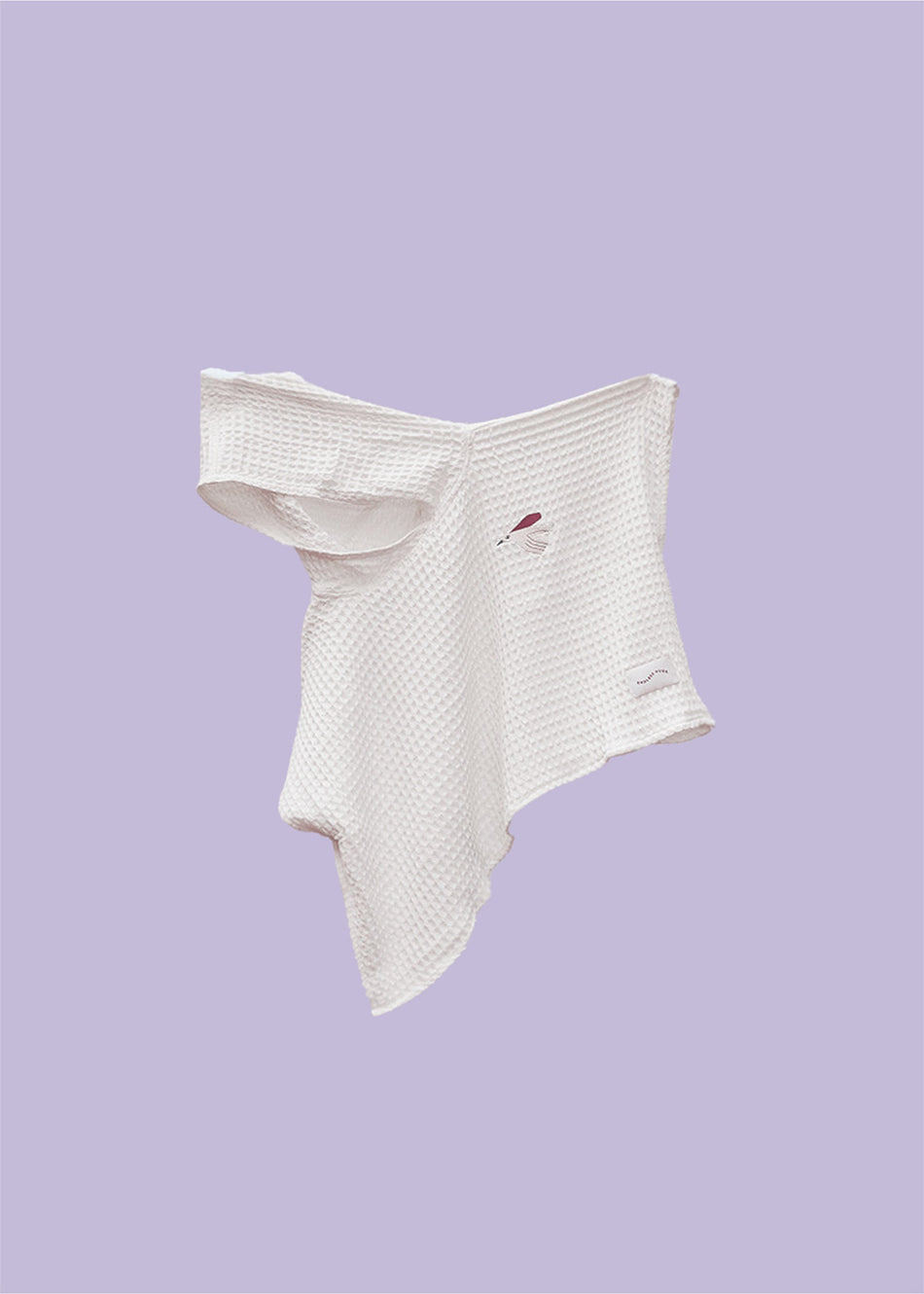
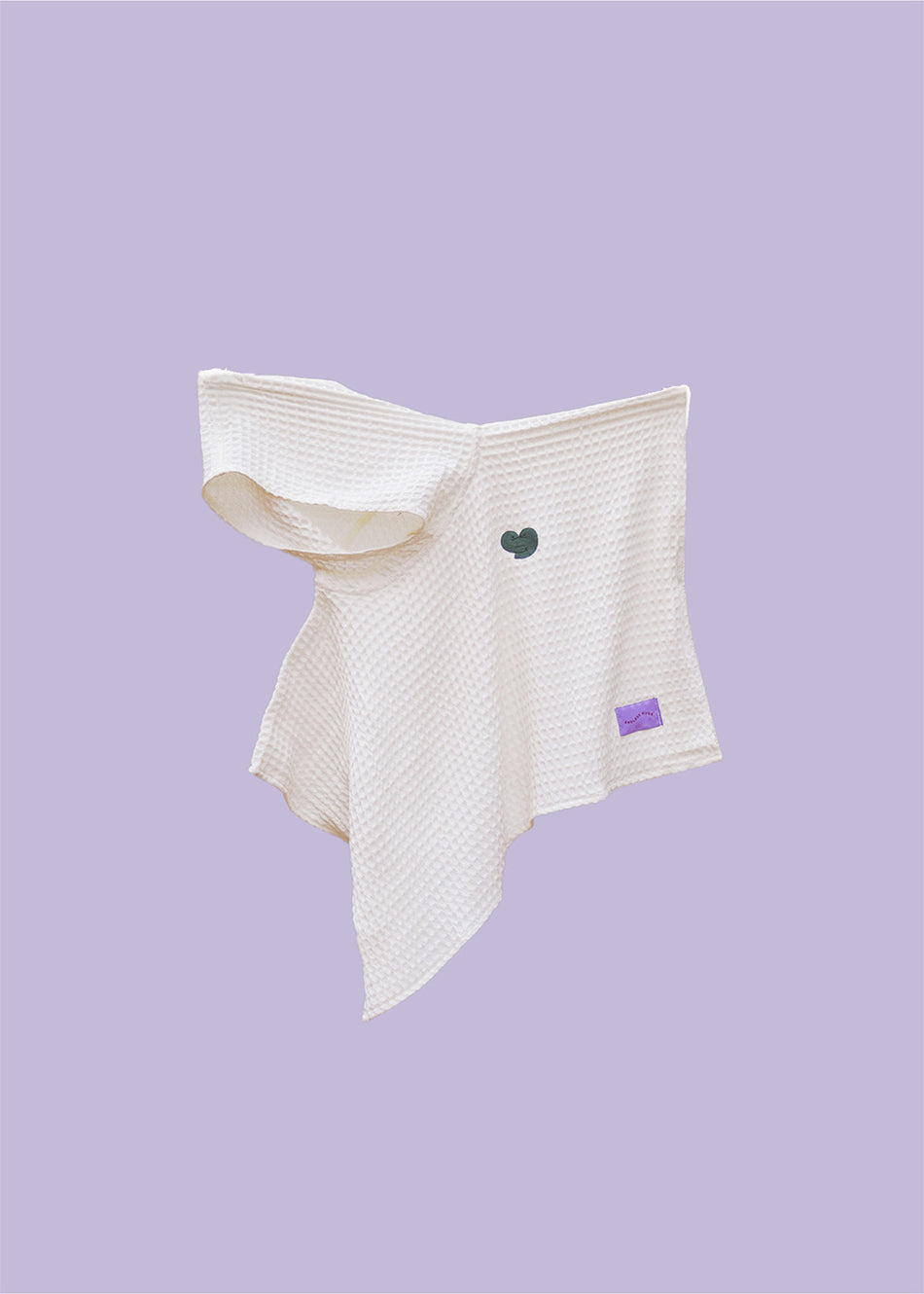
Bamboo bath towels They deserve special attention due to their unique properties. Bamboo naturally inhibits the growth of bacteria and fungi, which is extremely important for baby's delicate skin. Furthermore, bamboo fibers are more absorbent than cotton, allowing them to wick away moisture more quickly.
When choosing a towel for a baby, it's worth considering its size – it should be large enough to completely wrap your little one after bathing, creating a cocoon that will retain warmth while drying and dressing . They work particularly well in protecting the baby's head from heat loss.
How should I cover my baby after bathing to prevent hypothermia?
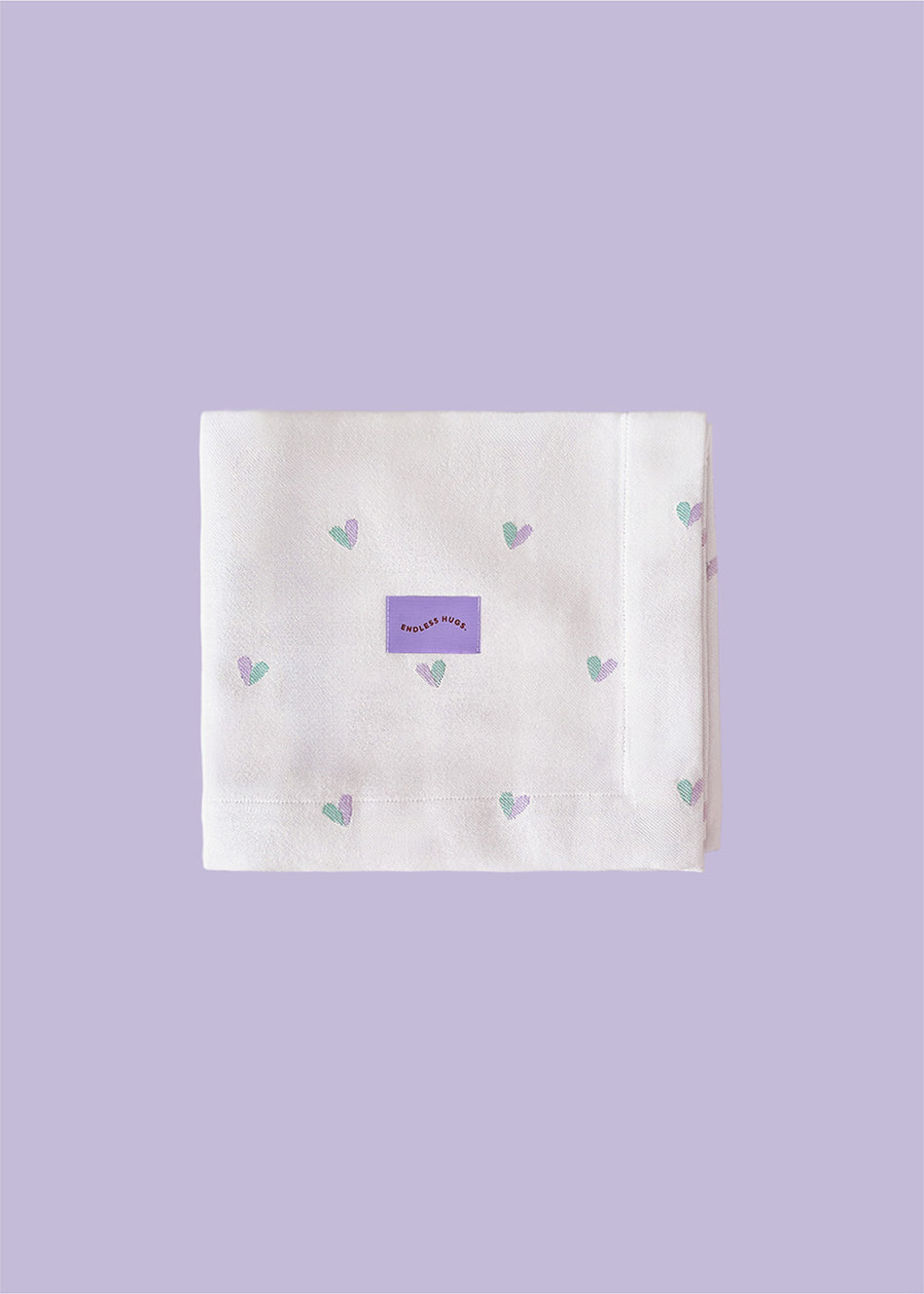
After bathing, it's a good idea to have a soft, warm swaddle made of natural materials. or muslin blankets retain heat perfectly while allowing the skin to breathe. This is a key feature that prevents your baby from overheating and sweating excessively.
The structure of bamboo and muslin fabrics makes wraps made from these materials both warm and breathable. Furthermore, bamboo fibers have thermoregulatory properties – they keep you warm in cold weather and cool in warmer weather, making them an ideal choice for changing weather conditions.
Multi-layer swaddles offer additional flexibility in adapting the cover to the baby's needs and the ambient temperature. You can use all layers on colder days or just some when the temperature is warmer. This functionality allows one product to be used year-round, adapting to the baby's changing needs.
Natural fabrics vs. synthetics - what to choose for winter wrapping?
Natural fabrics like organic cotton, bamboo, and linen have a distinct advantage over synthetic materials, especially when it comes to wrapping children up after winter walks. Natural fibers allow the skin to breathe, which is crucial for proper thermoregulation.
Synthetic materials can retain moisture and heat, increasing the risk of overheating and skin irritation. Natural fabrics wick excess moisture away from the body while retaining warmth. Bamboo's antibacterial properties further protect baby's sensitive skin from irritation and infection.
Studies show that children dressed in natural materials have a more stable body temperature and are less likely to experience discomfort from overheating or being too cold. This is especially important in winter, when the temperature difference between indoors and outdoors can be significant.
How to organize a space for care after a winter walk?
A well-organized area for grooming after a winter walk should be located in a warm, but not overheated, room. It's worth preparing all the necessary accessories before bathing to ensure the process runs smoothly and your baby isn't exposed to hypothermia.
Such a corner should be equipped with a soft bath towel, a warm bamboo or muslin swaddle, a diaper, a change of clothes, and baby skincare products. All of these items should be easily accessible so that parents can reach them with one hand without taking their eyes off the baby.
It's worth storing care products in an aesthetically pleasing and functional way, for example, in bamboo baskets, which not only blend seamlessly with natural décor but are also durable and eco-friendly. An organized space allows for a smooth nighttime routine, reducing the risk of hypothermia or unnecessary stress for the child.
How many layers of clothes should a child wear after bathing in winter?
The layering principle applies not only when dressing a child for a walk, but also after a bath on a winter evening. The basic rule is that a child should wear one more layer than an adult in the same conditions. However, it's crucial to observe the child's reactions and adjust the number of layers to their individual needs.
After bathing in winter, a diaper, a long-sleeved bodysuit, a warm sleepsuit or pajamas, and a swaddle or blanket are usually sufficient. In colder environments, a thin hat can be added, especially for babies who lose a lot of heat through their heads.
It's worth remembering that too many layers can lead to overheating, which is just as bad for a child as hypothermia. It's better to use fewer layers made of high-quality, natural materials that effectively retain heat while allowing the skin to breathe.
How to create an evening routine that will prepare your child for sleep after a winter day?
A consistent nighttime routine is key to a child's peaceful sleep, especially after an active winter day. A warm bath, a gentle massage with natural oils, a soft towel, and then a change into comfortable pajamas are essential elements that signal to your little one that bedtime is approaching.
After changing, it's a good idea to schedule time for calming activities like reading a book, listening to lullabies, or simply cuddling. These rituals not only build the bond between parent and child but also help the little one gradually wind down from the stimuli of the day.
The temperature in a child's bedroom should be maintained at around 18-21°C. Instead of raising the temperature throughout the room, it's better to cover the child with a suitable swaddle made of natural materials. Bamboo swaddles are ideal because they retain heat close to the child's body while wicking away excess moisture.
How to wrap a baby after a bath to ensure comfort without the risk of overheating?
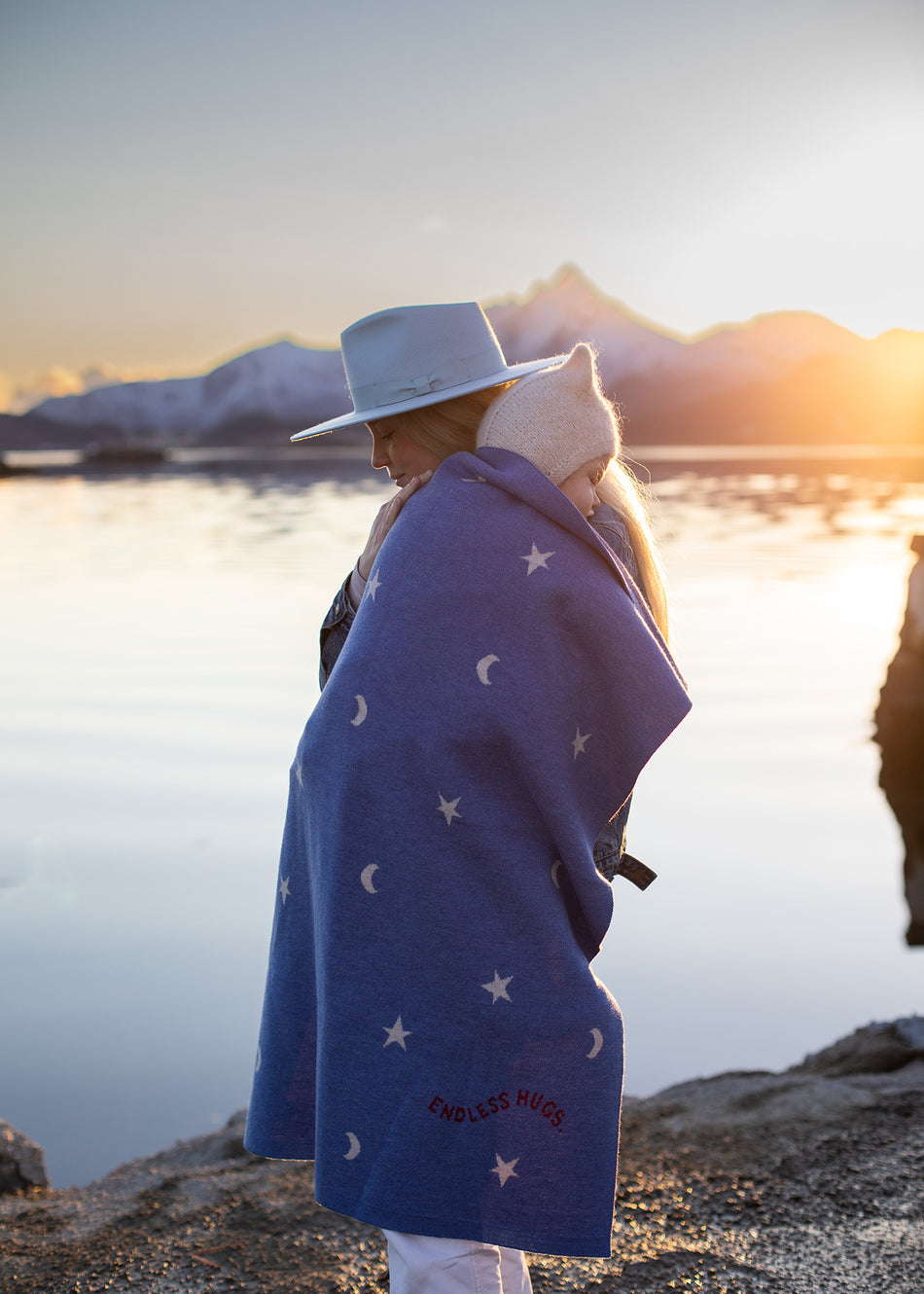
Properly wrapping a baby after bathing is a balancing act between providing warmth and avoiding overheating. Swaddles made from natural materials like bamboo or muslin are the best solution. Their unique structure retains heat while allowing the skin to breathe.
The technique for wrapping a baby in a swaddle should allow for free movement of the legs, which is consistent with recommendations for preventing hip dysplasia. The swaddle should not be wrapped too tightly, but rather create a soft cocoon, giving the baby a sense of security similar to that experienced prenatally.
For older babies and toddlers who can roll over, it's safer to wrap them loosely or use a sleep sack. These provide adequate warmth while eliminating the risk of a blanket or swaddle covering their face.
Polish products for children - why is it worth choosing local handicrafts?
Choosing Polish children's products not only supports the local economy but, above all, guarantees high quality and safety. Polish producers of children's textiles often rely on traditional production methods and natural materials, which translates into exceptional durability and functionality of their products.
Polish products are manufactured in accordance with stringent European Union standards, ensuring they are free from harmful substances. This is especially important for textiles that come into direct contact with children's delicate skin. Furthermore, choosing Polish products means a shorter supply chain, which has a positive impact on the environment.
How to adapt your evening routine to your child's age in winter?
A bedtime routine should evolve as your child grows, taking into account their changing needs. Newborns and younger infants need a simple sequence: bath, feed, swaddle, and sleep. Maintaining a constant, comfortable ambient temperature and using the softest materials for their sensitive skin are especially important for this age group.
Older infants and toddlers can participate in a more extensive routine, which might include brushing teeth, choosing a book to read, or playing a short calming game. It's important to introduce elements of independence, such as choosing pajamas or a swaddle, which builds a sense of agency.
Preschoolers can be actively involved in preparing for bed, learning valuable hygiene and organizational habits along the way. Regardless of the child's age, consistency and creating a predictable routine are key. They provide a sense of security and help the body prepare for rest.
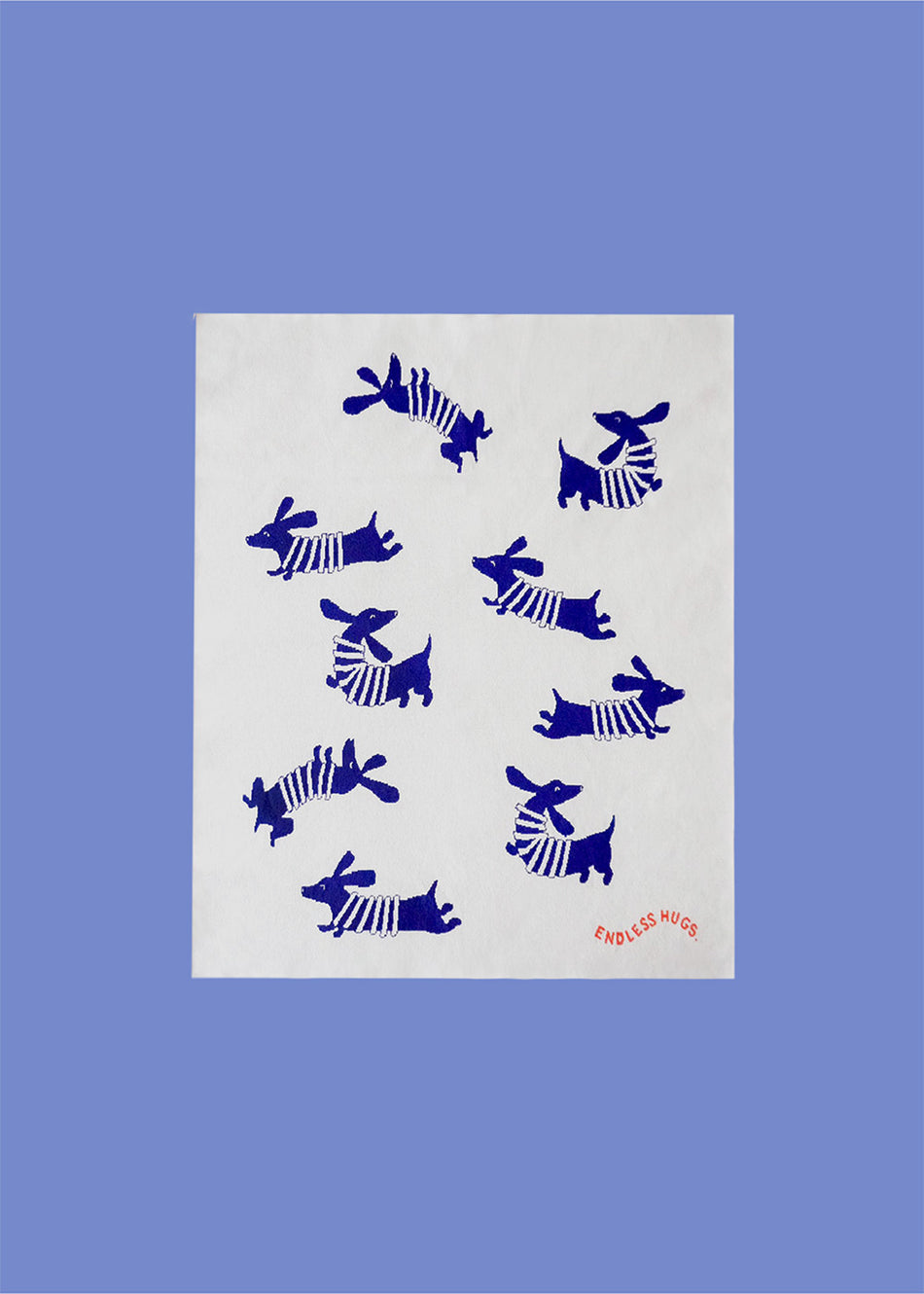
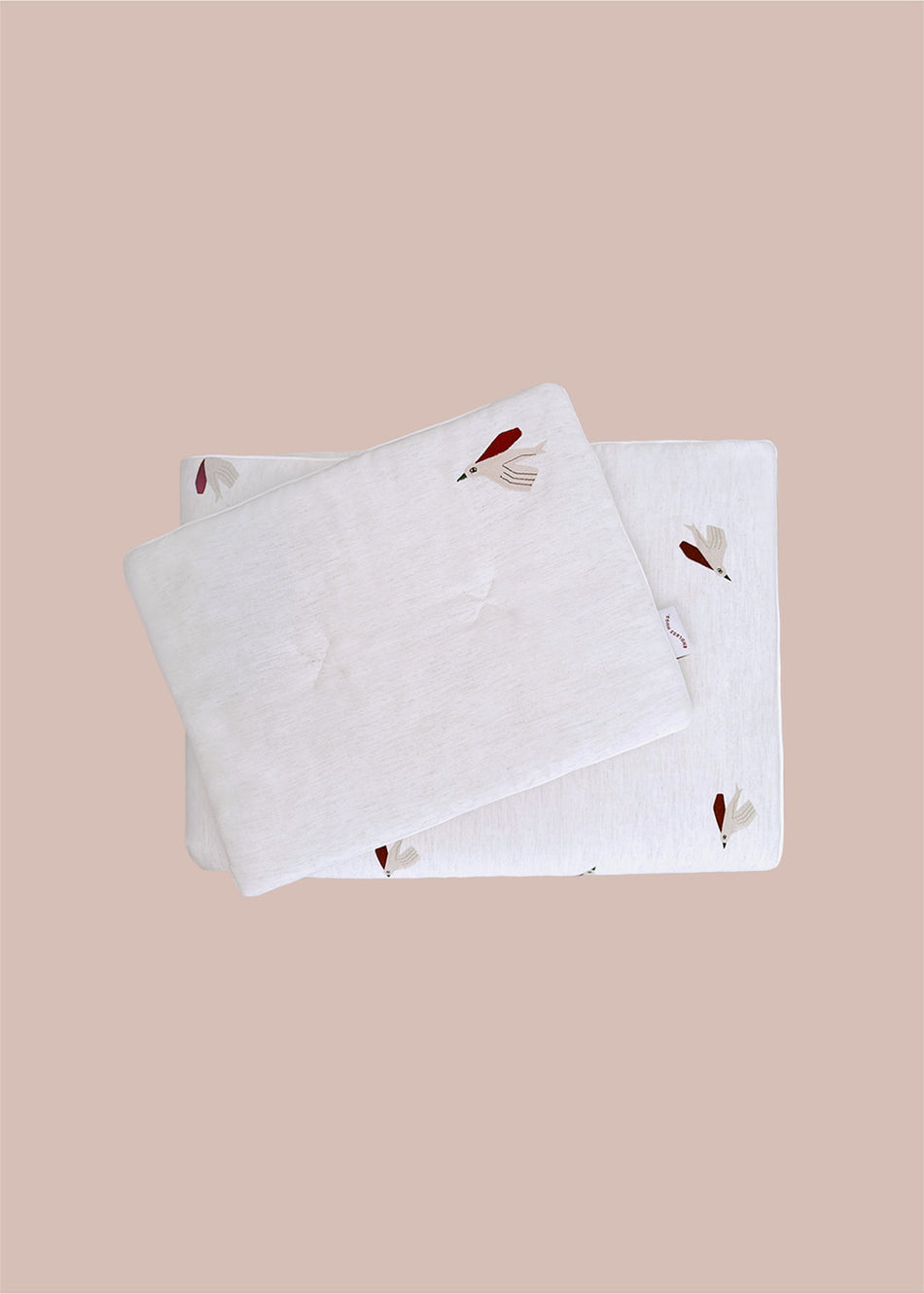
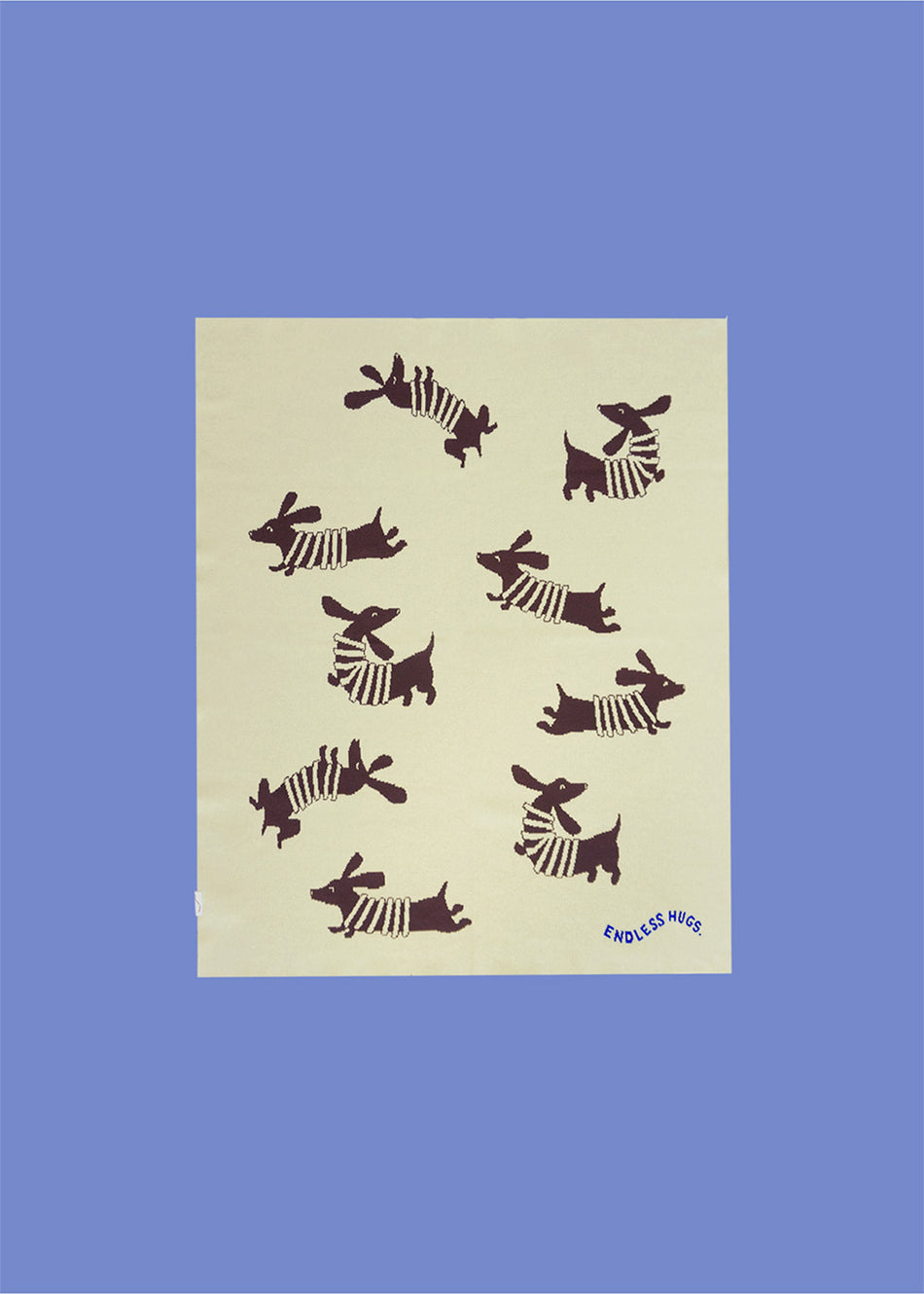
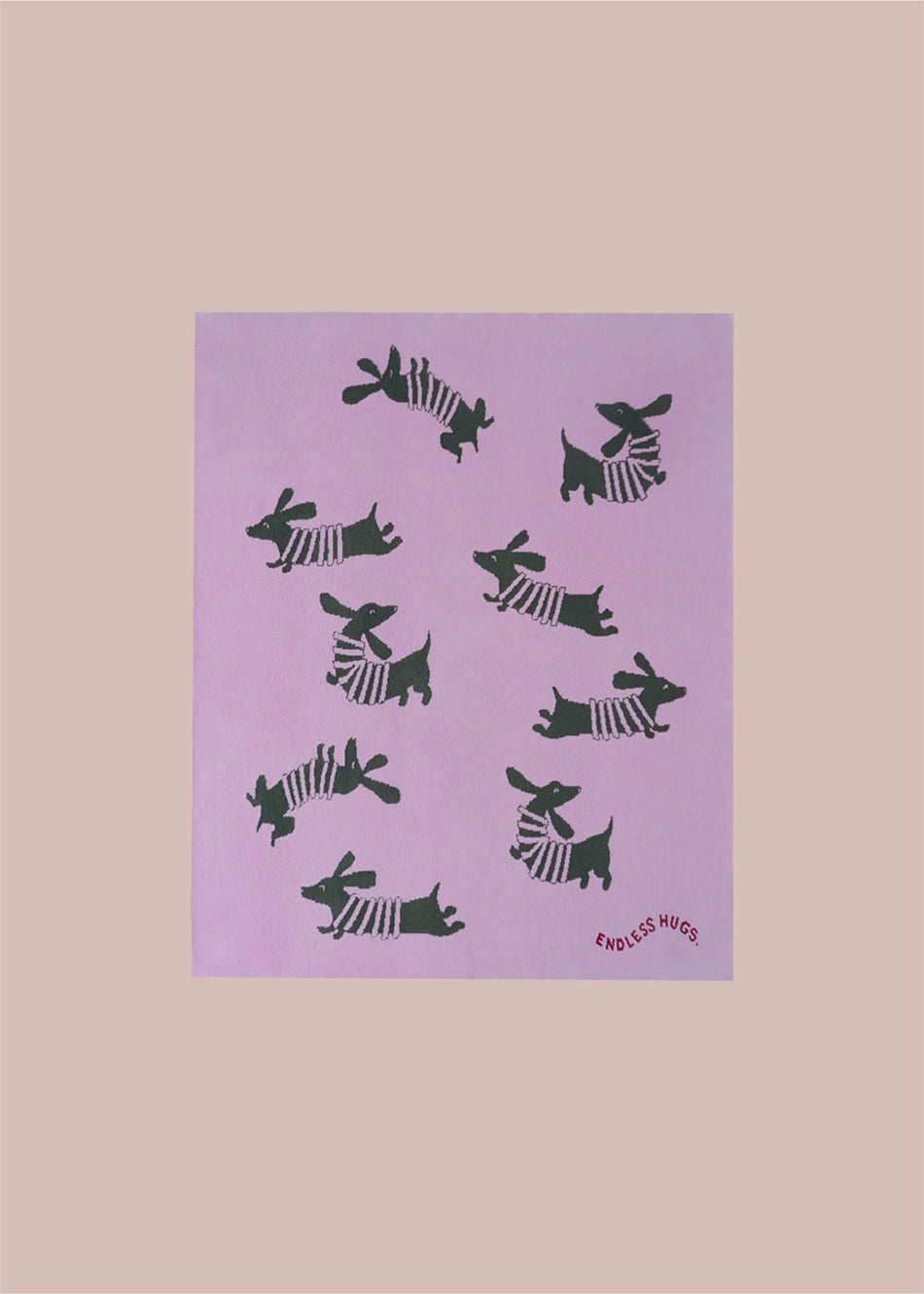
Regardless of your child's age, it's important to remember to choose high-quality products for their nighttime routine. Swaddles, towels, and bedding made from natural materials, such as those offered by the Polish brand Endless Hugs , provide not only physical comfort but also support healthy sleep and child development, harmoniously combining care for the little ones with respect for nature.