

Spring Cleaning with a Baby - How to Approach it Calmly and Without Pressure?
Spring cleaning with a baby can sound like a logistical challenge: the daily rhythm is unpredictable, the little one's needs are a priority, and the "to-do" list grows. A calm, no-pressure approach doesn't mean giving up on order, but rather changing strategy – to shorter stages, simpler rules, and solutions that genuinely make everyday life easier.
What does spring cleaning with a baby really mean?
During this period, the goal is usually not a major renovation or perfect organization of the entire house. It's more helpful to refresh the space to make it safe, hygienic, and comfortable for the family, especially in the most frequently used areas.
Priorities: health, safety, comfort
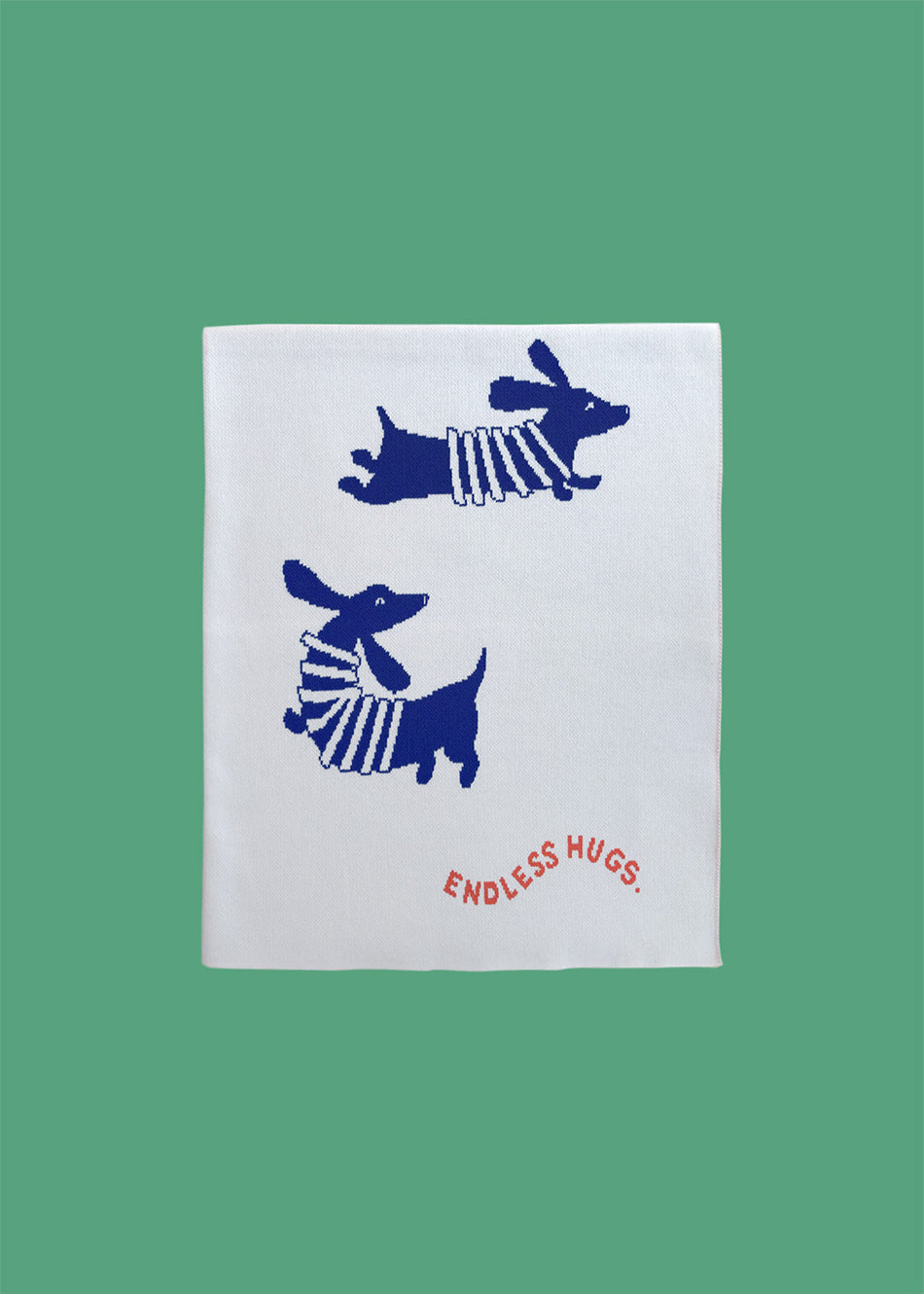
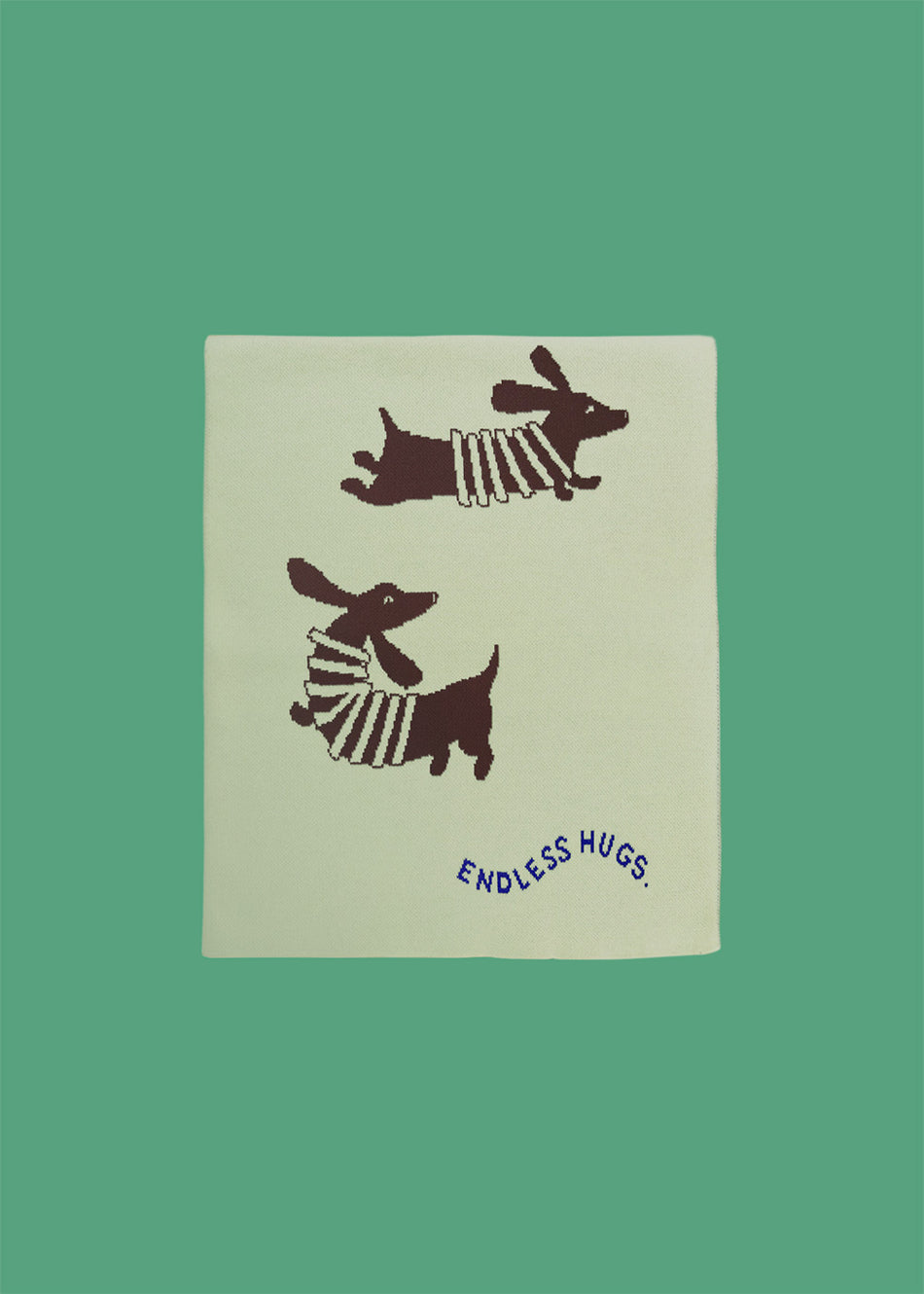
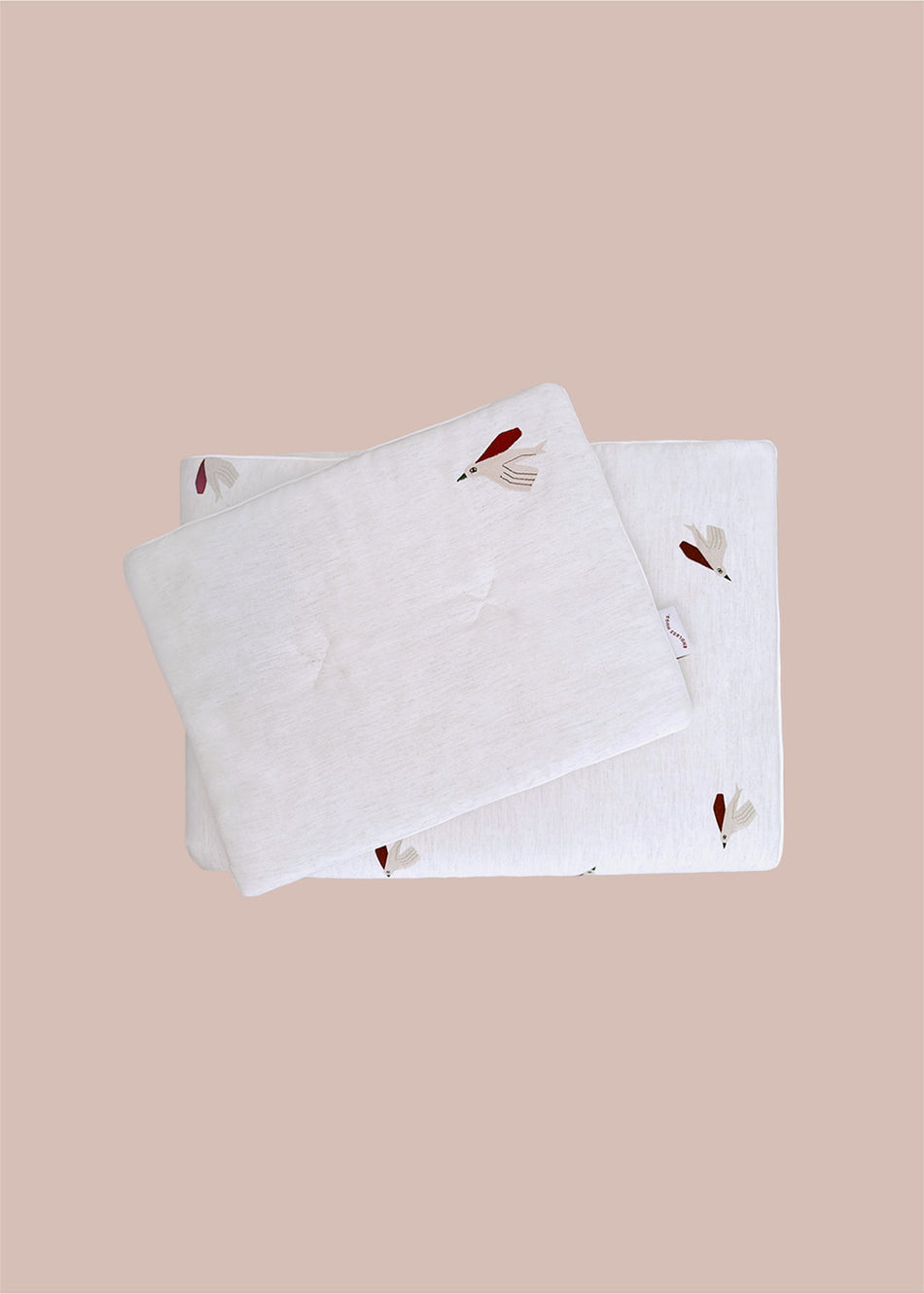
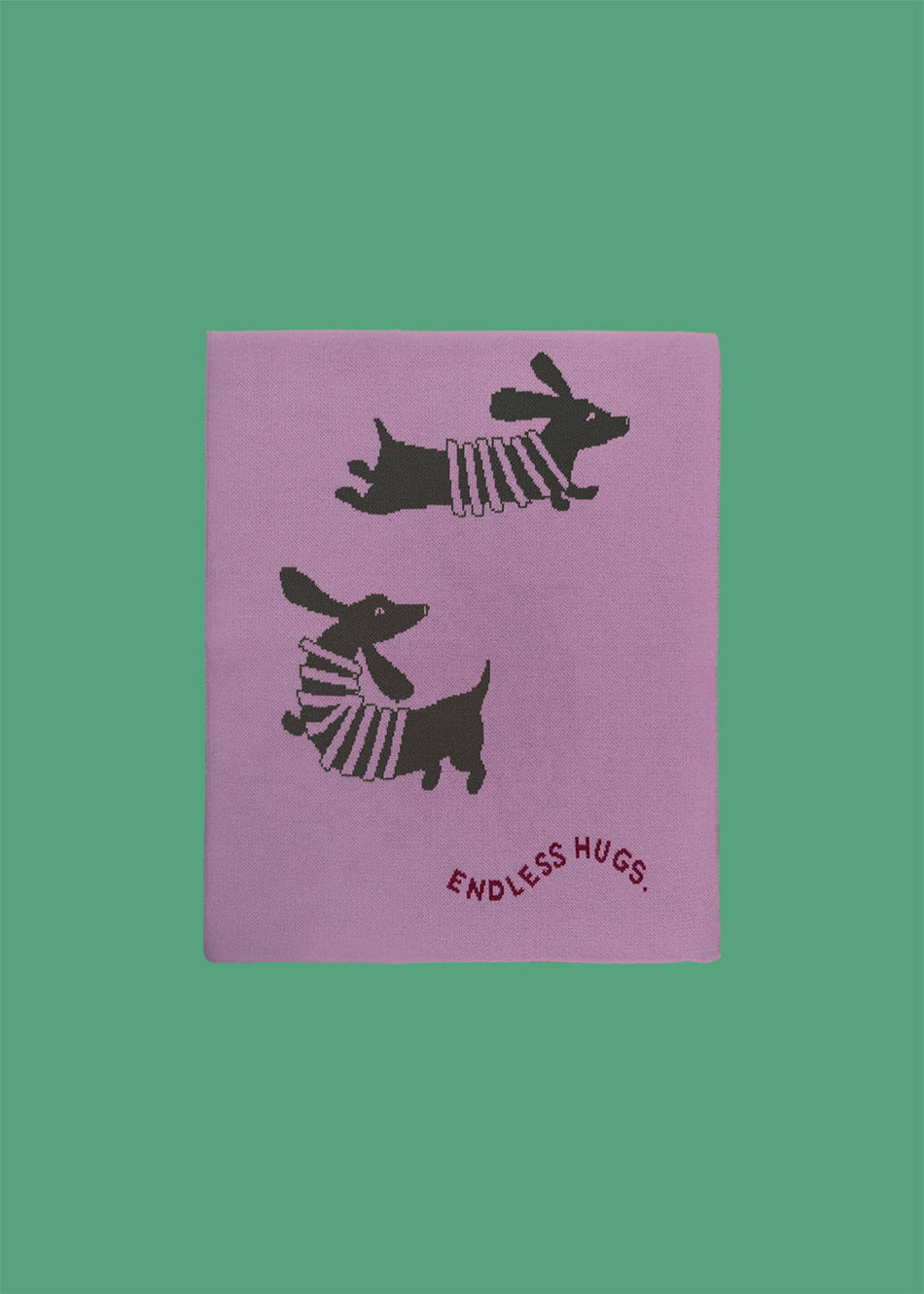
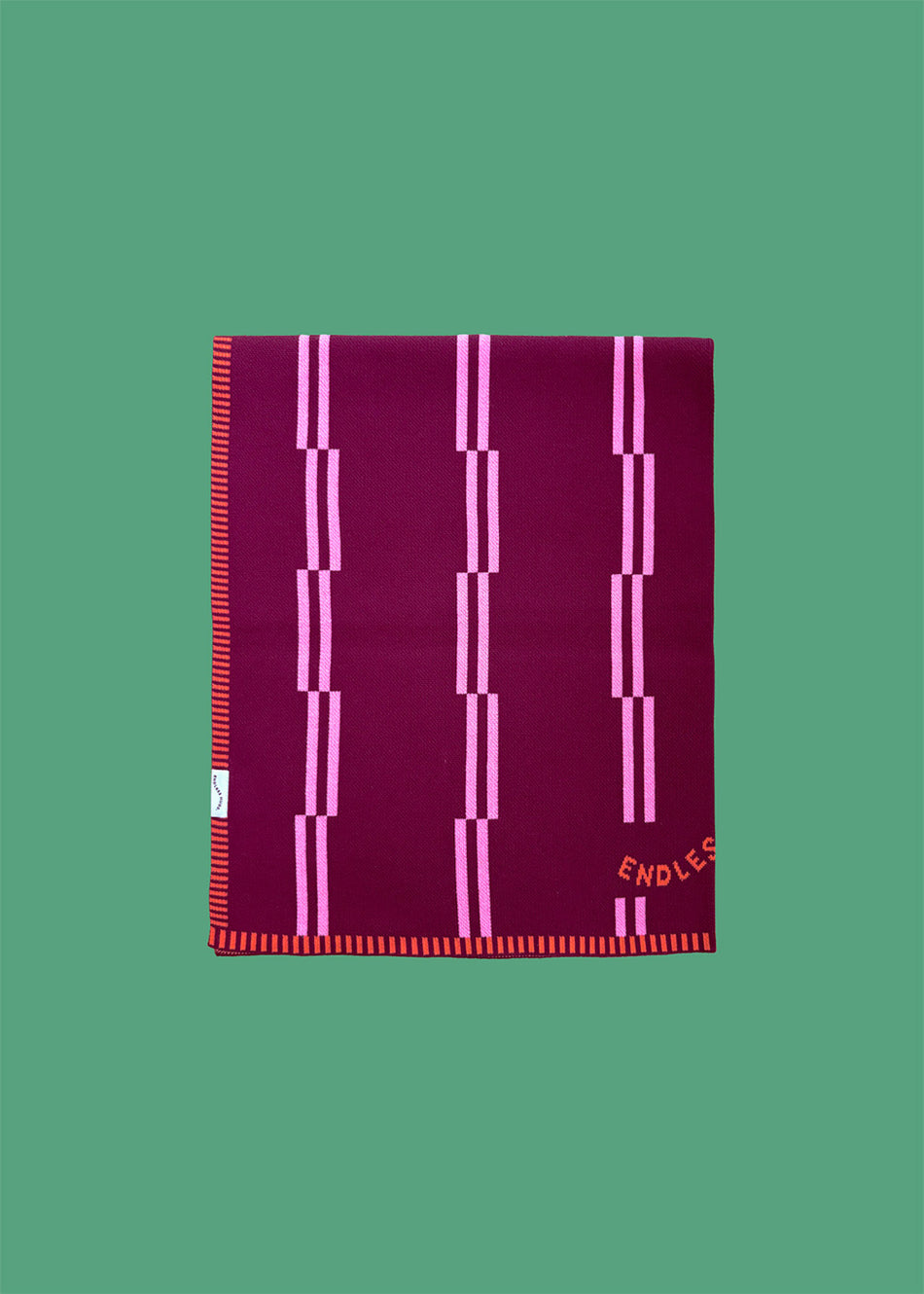
In a baby's environment, the most important things are materials that come into contact with their skin and surfaces that are touched many times a day. It's worth focusing on textiles, as they often accumulate dust, cosmetic residue, saliva, or milk, and at the same time affect sleep comfort – especially in areas where bedding for children and infants and light covers are used.
Minimum Plan – a way to stay calm and without pressure
The least burdensome approach to cleaning is the "small steps" method. Instead of one day of intensive cleaning, a shorter plan for 7-14 days, adapted to the baby's naps and mood, works better.
The principle of "one area a day, maximum 15-30 minutes of activity" is helpful. This yields a visible effect without disrupting feeding and rest times.
Weekly Checklist for Parents of Infants
Dividing tasks into short segments makes it easier to start and reduces the feeling of being overwhelmed. The following list can serve as a basis for your own plan.
-
refreshing textiles by the crib: fitted sheet, bedding, swaddles;
-
review of bath towels and washing accessories, washing according to manufacturer's recommendations;
-
cleaning frequently touched surfaces: handles, changing table top, railings;
-
review of cosmetics and hygiene products: checking dates and usage order;
-
making space for seasonal items: thinner covers, lighter textiles.

Cleaning around sleep – first the crib and its immediate surroundings
Infant sleep is particularly sensitive to stimuli: temperature, humidity, smells, and fabric texture. Therefore, it's worth starting cleaning with the sleeping area, as it provides a quick functional effect.
How to refresh textiles without overdoing it?
In practice, this means regular washing and airing, as well as maintaining a predictable, gentle fabric care routine. Too frequent changes of detergents or intense scents can be irritating for a child.
It's worth implementing a few simple rules.
-
using mild washing agents that rinse well from fabrics;
-
avoiding intensely perfumed laundry additives;
-
drying and airing textiles when conditions allow;
-
rotation: having at least two sets of key textiles so you don't clean "just in time."
Natural fabrics in daily routine
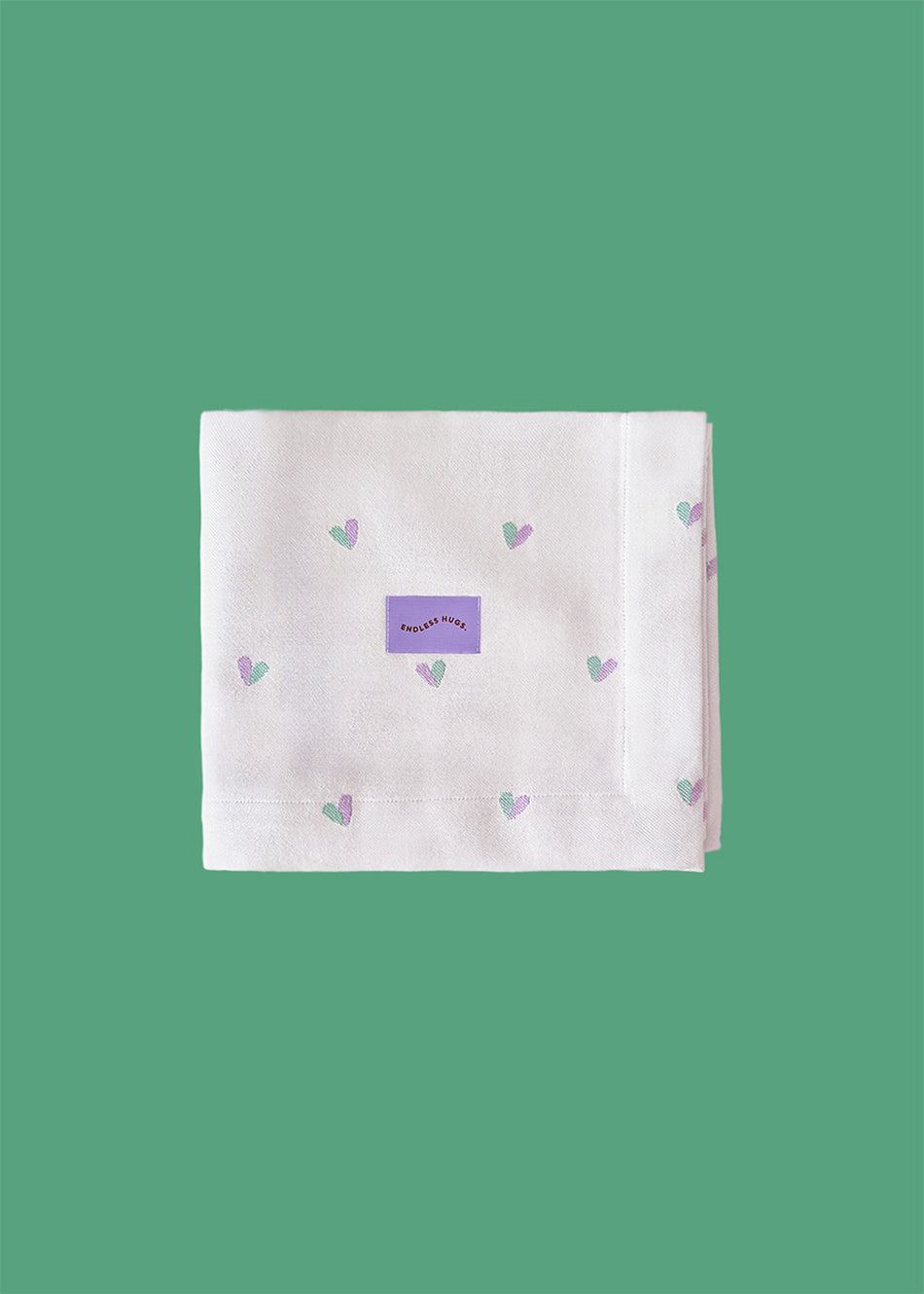
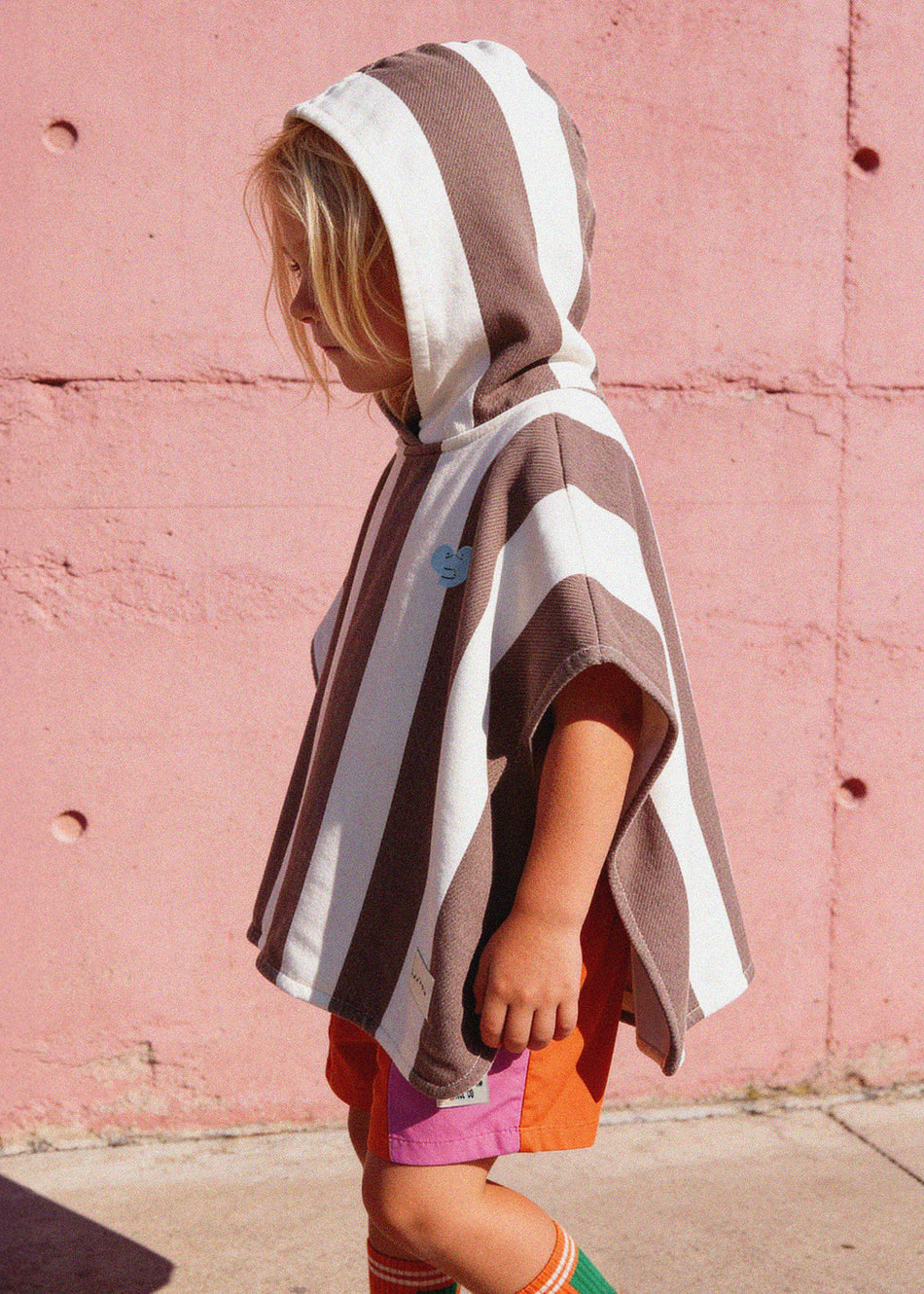
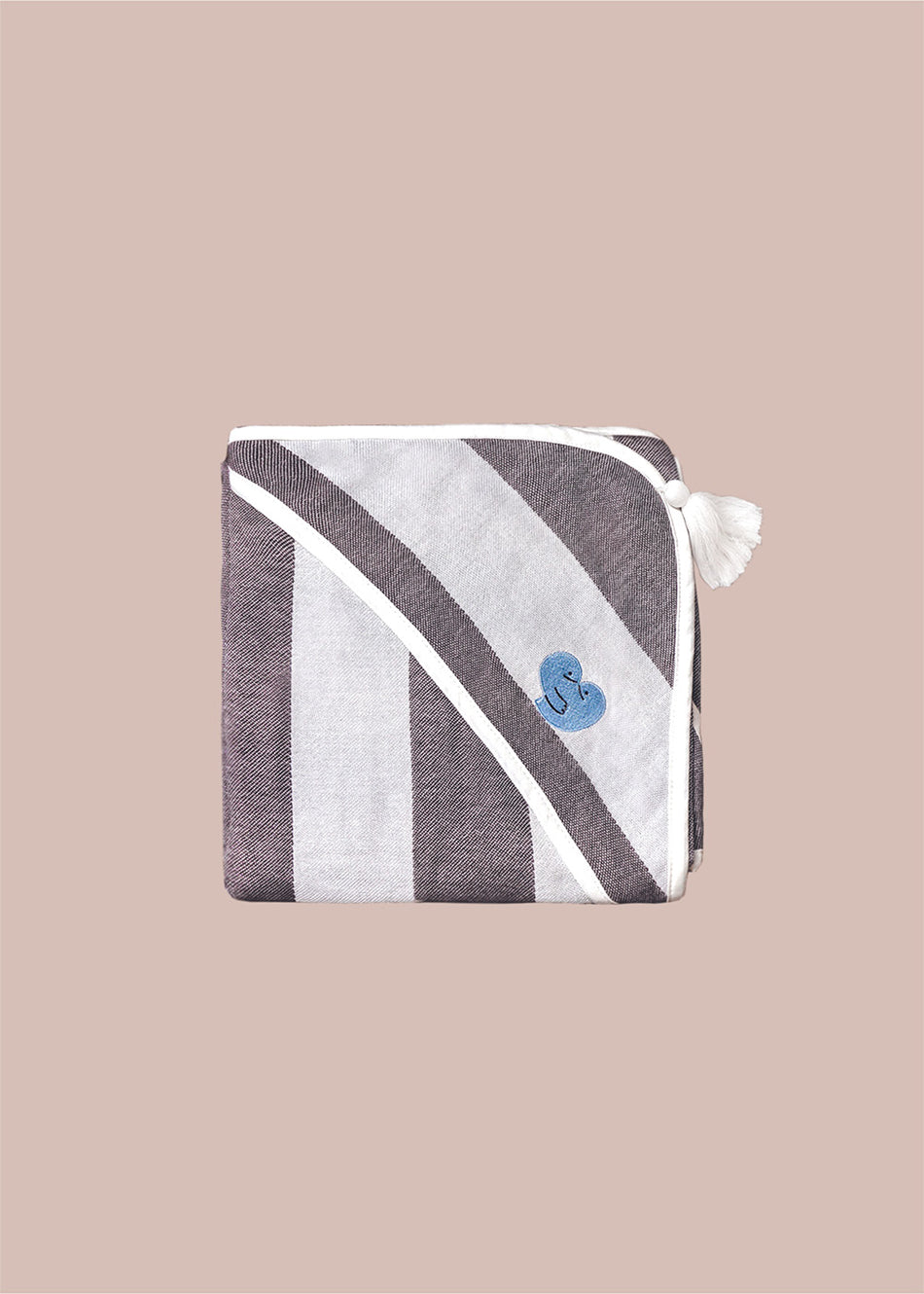
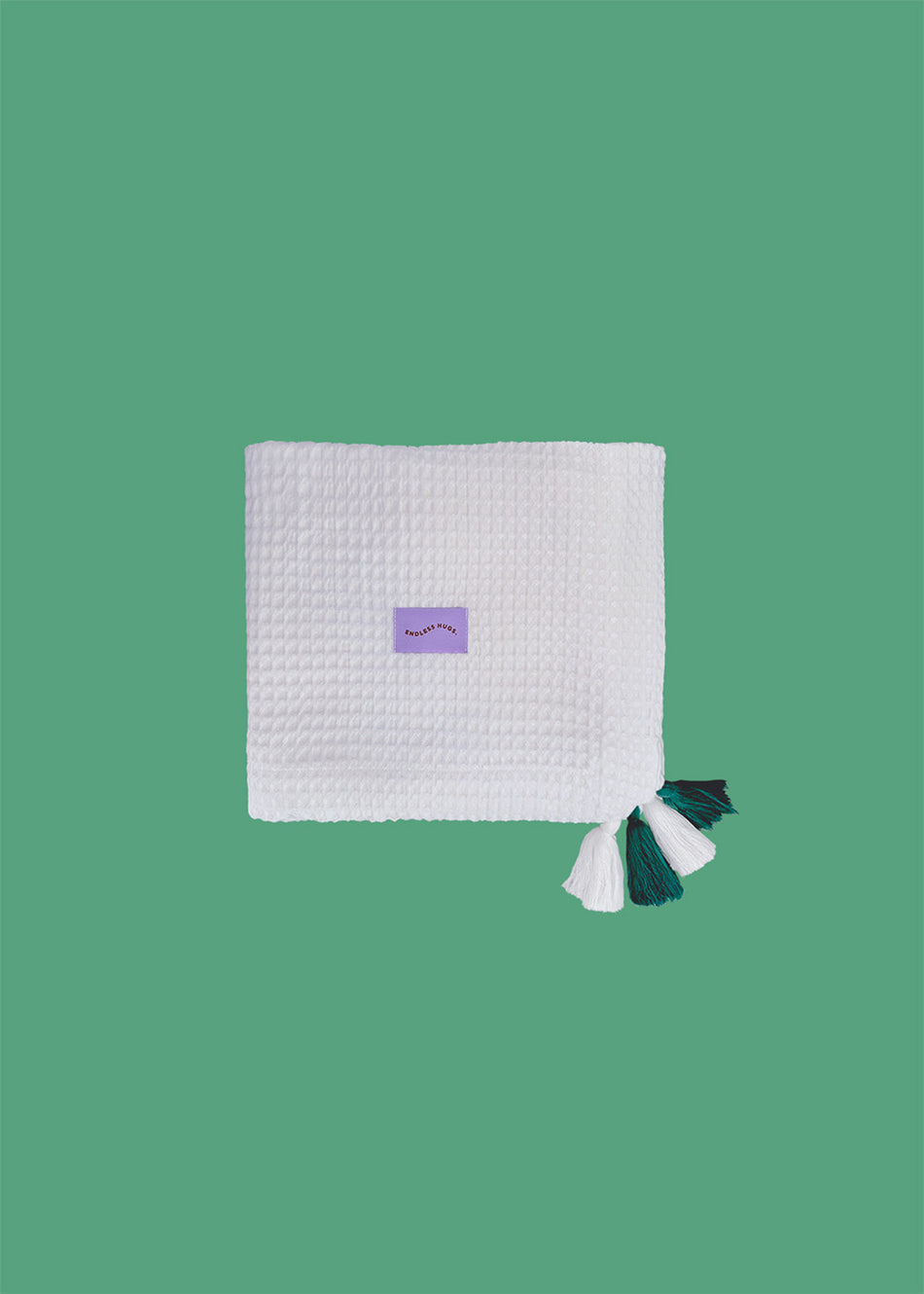
Spring often means fluctuating temperatures, and infants' thermoregulation is still developing. Breathable, pleasant-to-touch, and easy-to-care-for fabrics can help reduce overheating and discomfort. In practice, parents opt for cotton (including muslin) and bamboo viscose in newborn swaddles, light baby blankets or sheets, as well as soft baby bath towels, which do not irritate the skin after washing.

Bath Area - Hygiene and Order in 10 Minutes
A bathroom with a baby quickly fills up with textiles and small accessories. Instead of reorganizing the entire space, a short post-bath routine works better: rinse, wring, dry, put away.
What really helps maintain order?
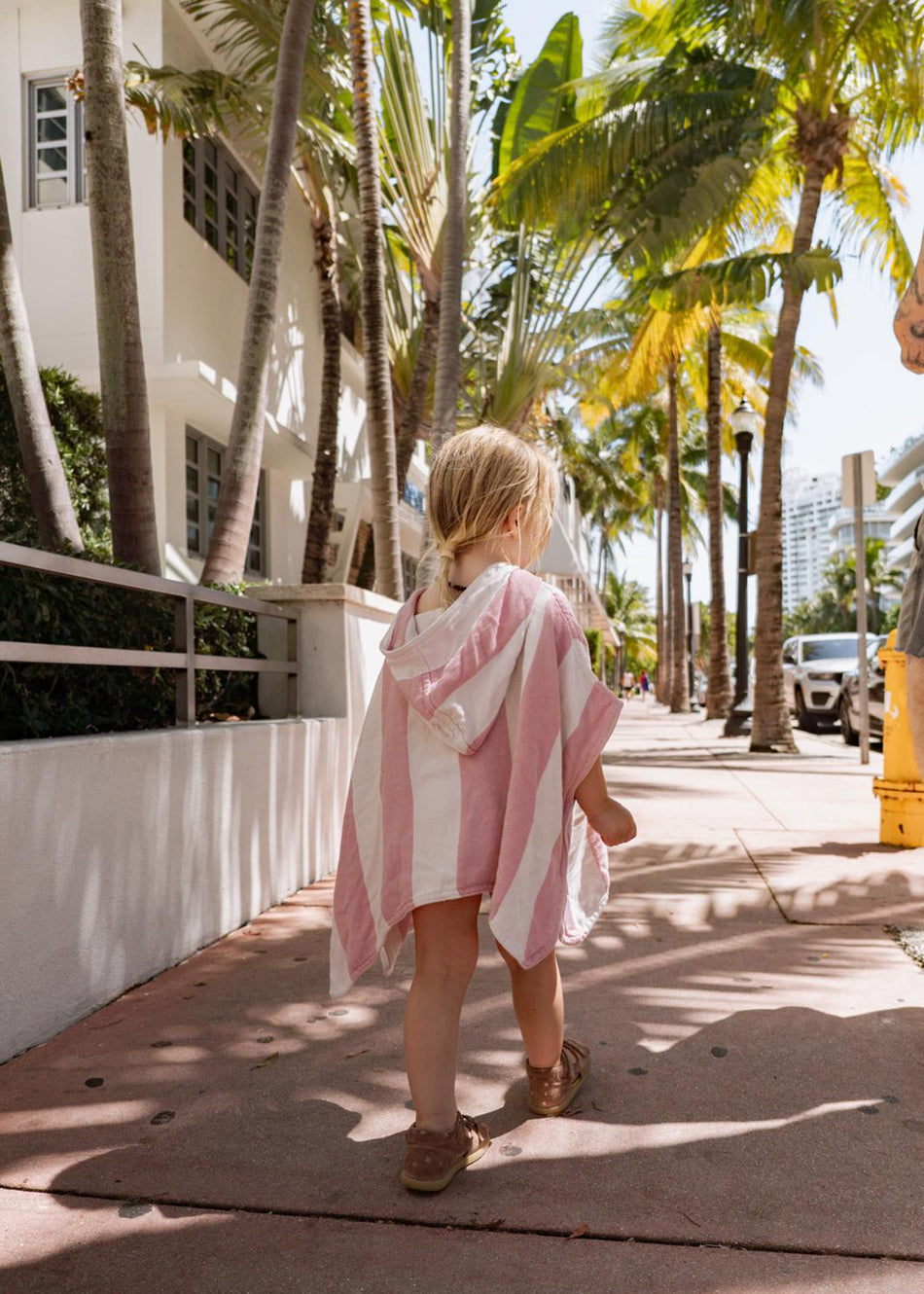
It's easiest to keep things clean when they dry quickly and have a designated spot. It's worth paying attention to the towel's absorbency, softness after washing, and whether the fabric remains pleasant to the touch without excessive scented additives.
The following habits prove effective in daily practice.
-
separating baby's textiles from household ones, to make laundry simpler and more predictable;
-
regular changing of towels and washcloths, especially for sensitive skin;
-
reviewing bath accessories for wear and tear, and ease of cleaning;
-
maintaining a minimalist "for today" set, with the rest in reserve.
Order in the baby's wardrobe - ruthless selection
Spring cleaning with a baby often involves clothes: babies grow in spurts, and sizes change faster than habits form. Selection doesn't have to be an emotional project, but a simple decision: what is comfortable and in use, and what is just getting in the way.
Three questions to facilitate selection
With each piece of clothing, it's worth pausing for a moment and answering a short series of questions. This ensures consistent decisions and maintains order for longer.
-
is the size current and does it allow freedom of movement;
-
is the material comfortable and practical to wash;
-
does this item actually return to the rotation during the week.
How to ensure a parent's peace of mind during cleaning?
The pressure to "get everything done" can be a bigger problem than the mess itself. In the first months with a baby, energy resources are limited, and the caregiver's well-being affects the entire household rhythm.
Micro-rules that reduce overload
It's worth basing cleaning on a few constant rules. They are simple, but consistently applied, they genuinely reduce chaos.
-
instead of a list for the whole house - one list for today;
-
one task completed before starting another;
-
priority for areas that affect sleep, feeding, and bathing;
-
放弃完美,以卫生和安全为重;
-
accepting interruptions: cleaning can be interrupted, and it's still progress.

Spring Home Refresh - Small Changes, Big Relief
Spring cleaning with a baby is easiest when focused on what is closest to the child: textiles for sleep, bathing, and daily care. Natural materials that breathe well and are pleasant to the touch support comfort, and the rotation of clean swaddles, bedding, or bath towels helps maintain order without excessive effort.
When choosing equipment for a child's space, many families pay attention to the origin and quality of workmanship, as these matter in daily use. Endless Hugs offers products made from natural or naturally derived fabrics for infants and children, created in Poland, which for some parents is an additional value when arranging a calm, friendly environment.