

Children's textiles in everyday use - what should you pay attention to apart from appearance?
Children's textiles are often chosen for their aesthetic appeal. Color, pattern, and consistency with the interior design are often the primary considerations in a purchase decision. However, in everyday use, it quickly becomes clear that appearance is just one element, and often not the most important one. Textiles for babies and young children are heavily used, washed repeatedly, and in constant contact with skin. Therefore, their functionality, durability, and material properties are crucial for a child's comfort and the organization of their daily life.
Why are looks not enough?
Children's textiles fulfill many roles simultaneously. They are a part of sleep, care, play, and relaxation. Unlike decoration, they must perform well in dynamic, often unpredictable conditions. When the choice is based solely on aesthetics, problems quickly arise with use.
Daily intensity of use
Blankets, diapers, bedding, and towels are used several, sometimes a dozen, times a day. They must retain their properties despite frequent washing, folding, and moving between rooms. In practice, this is made easier by having a few tried-and-true items that rotate throughout the day—for example, bamboo diapers or other lightweight textiles that are easy to freshen up.
Contact with sensitive skin
Baby skin is thin and susceptible to irritation. Fabrics that are not properly selected in terms of material and finish can impact baby's comfort, regardless of how good they look.

Material - the most important utility element
The type of fabric determines how textiles perform in everyday use. Breathability, softness, and temperature regulation are far more important than appearance alone.
Bamboo - lightness and airiness
Bamboo fabrics are valued for their softness and moisture-wicking properties. In practice, this translates into greater comfort during sleep and a reduced risk of overheating. Bamboo swaddles are a popular choice in this category , as they can serve as a lightweight layer in a variety of situations.
Muslin - functionality in a lightweight form
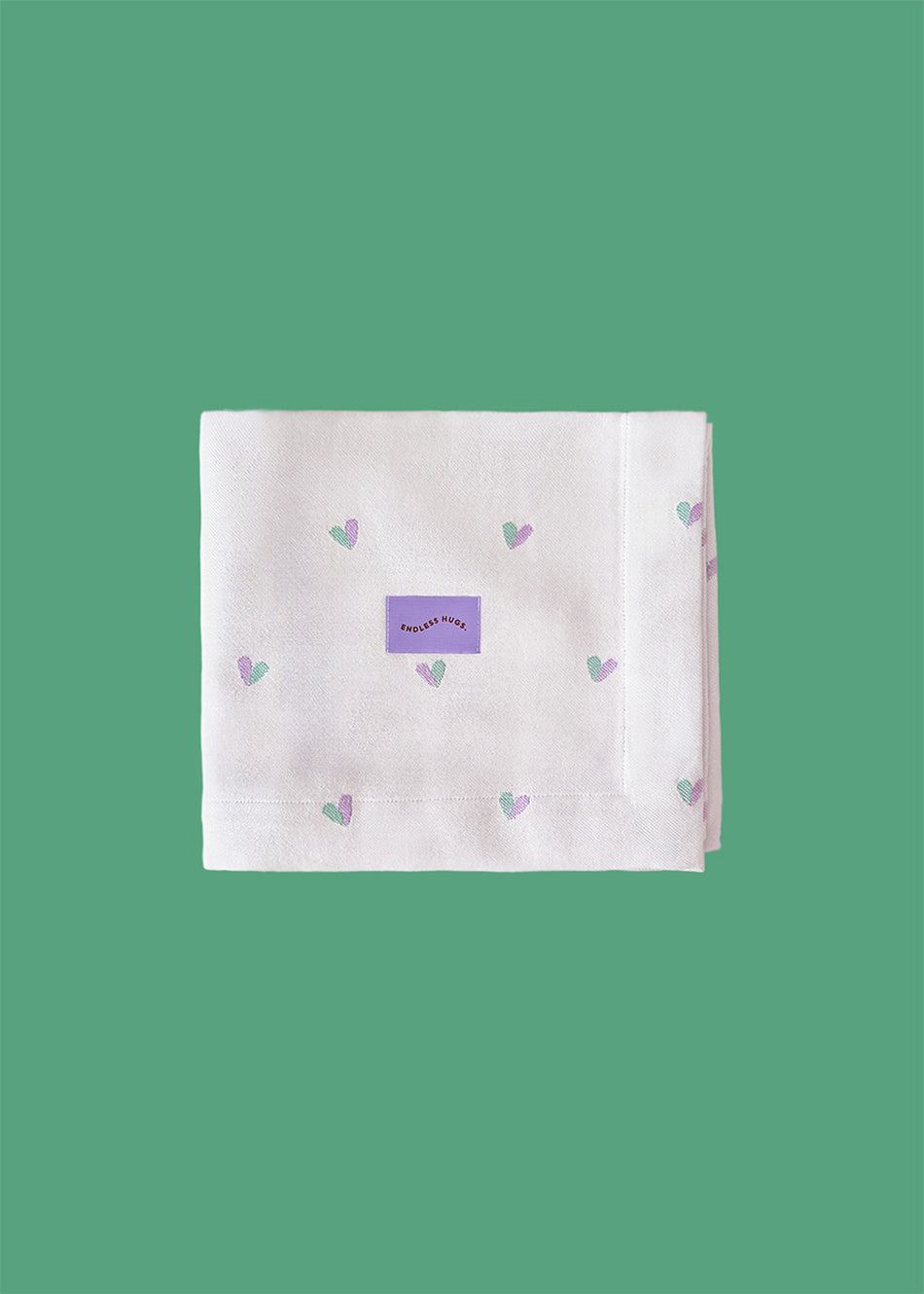
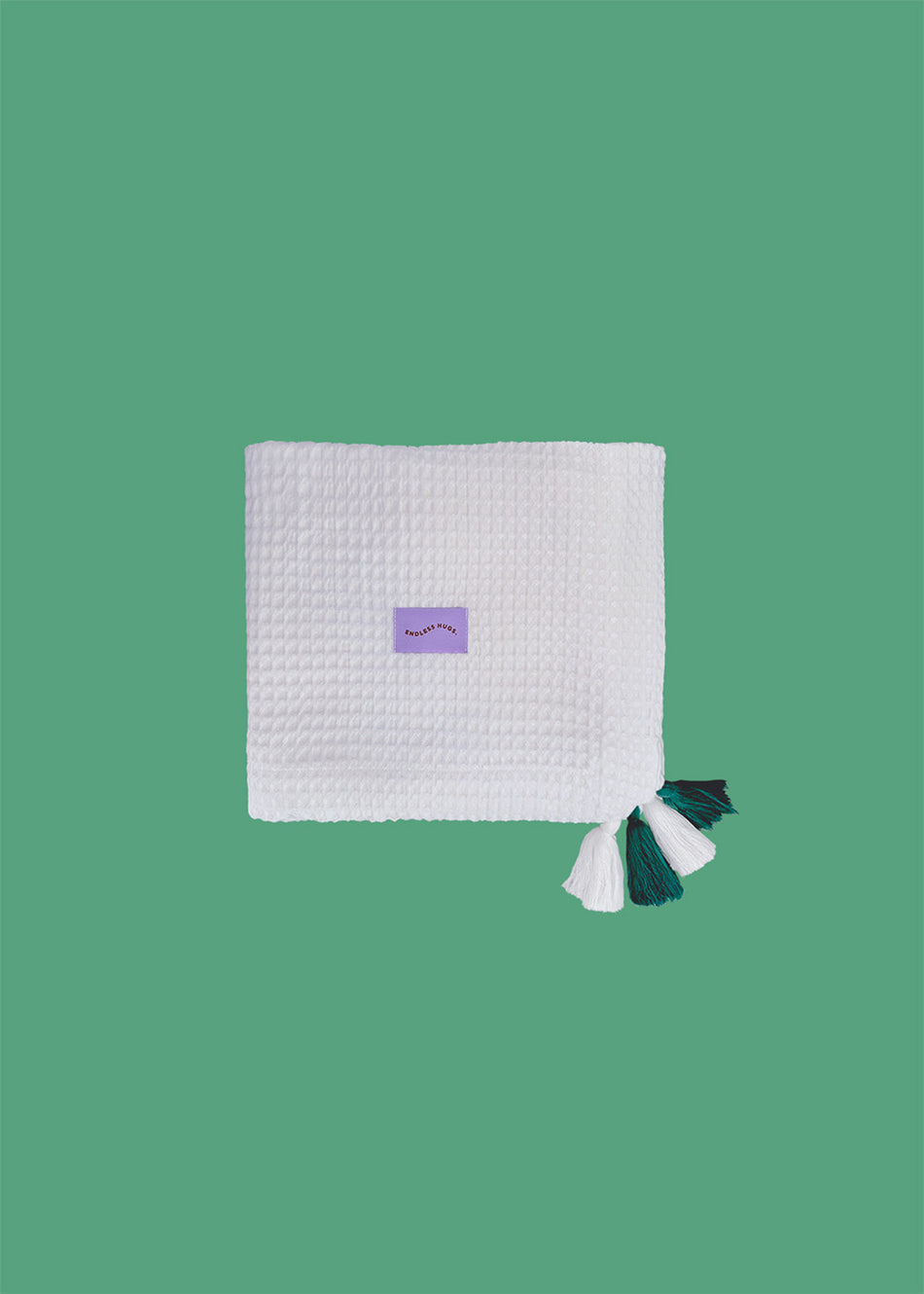
Muslin is characterized by a loose weave that allows the skin to breathe. It is soft, quick-drying, and easy to care for, which is important for frequent use. A practical example of this multitasking ability is muslin diapers that are easy to incorporate into daily rituals.
Linen and delicate cotton
Linen regulates temperature well and becomes softer over time. Cotton, on the other hand, remains a universal choice due to its durability and ease of washing. A simple weave and tactile comfort are also important for everyday use, especially in the sleeping area.
Breathability and thermoregulation in practice
One of the most overlooked aspects of children's textiles is their impact on a child's body temperature. In everyday use, it's important not only whether the material is "warm," but also whether it allows for natural air exchange.
Avoiding overheating
Fabrics that are too thick or synthetic can trap heat and moisture. This can lead to long-term discomfort and even skin problems. In practice, lighter, adjustable layers are often more effective for sleeping and resting, rather than a single, heavy cover.
Layering instead of one heavy fabric
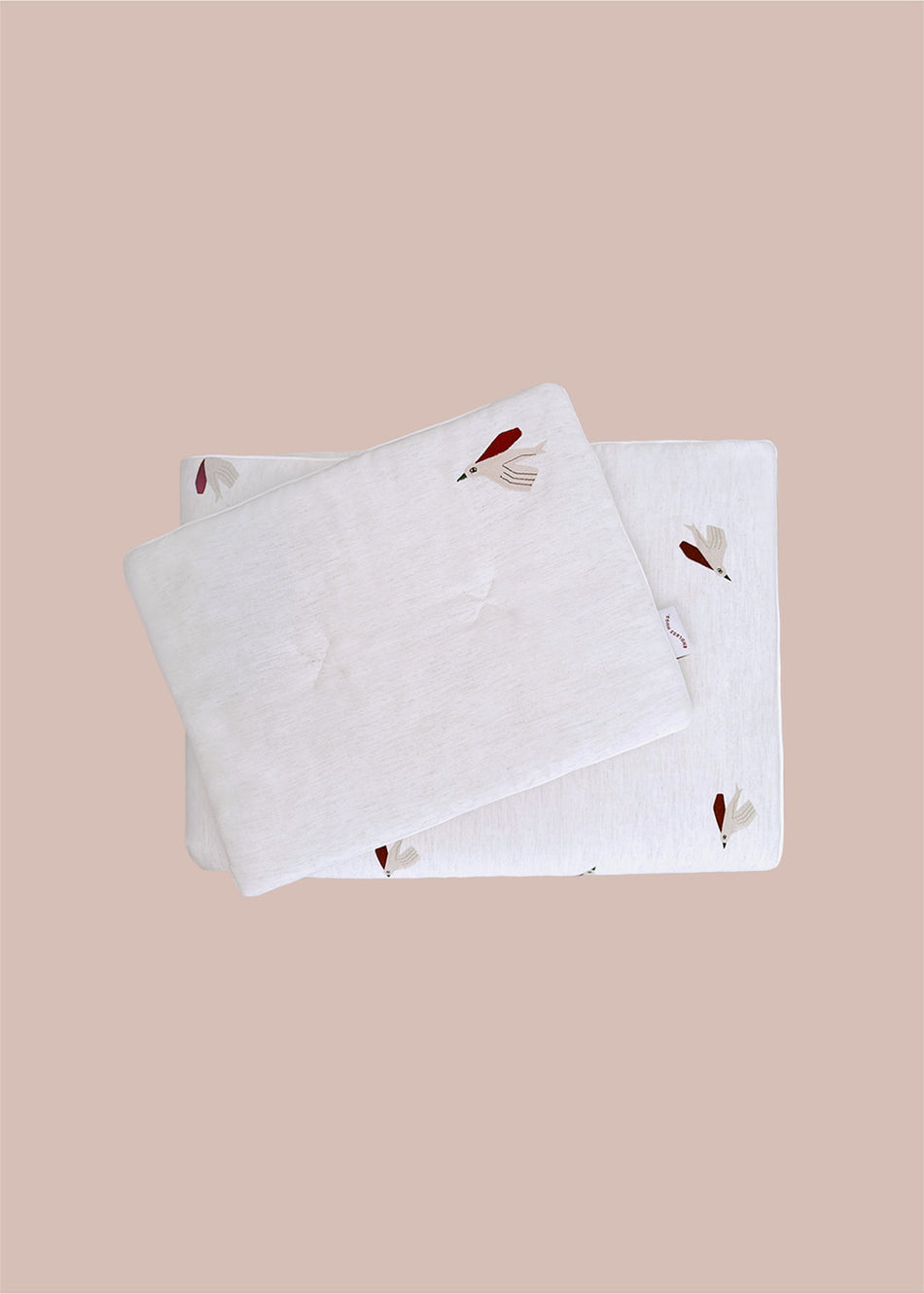
Lightweight fabrics allow for easy layering depending on the ambient temperature. This solution works well both day and night, especially when using a breathable base in the form of sheets and a change of covers.
Durability and resistance to washing
Children's textiles must withstand frequent washing without losing their properties. The durability of the material directly translates into comfort and a tidy home.
Maintains softness after washing
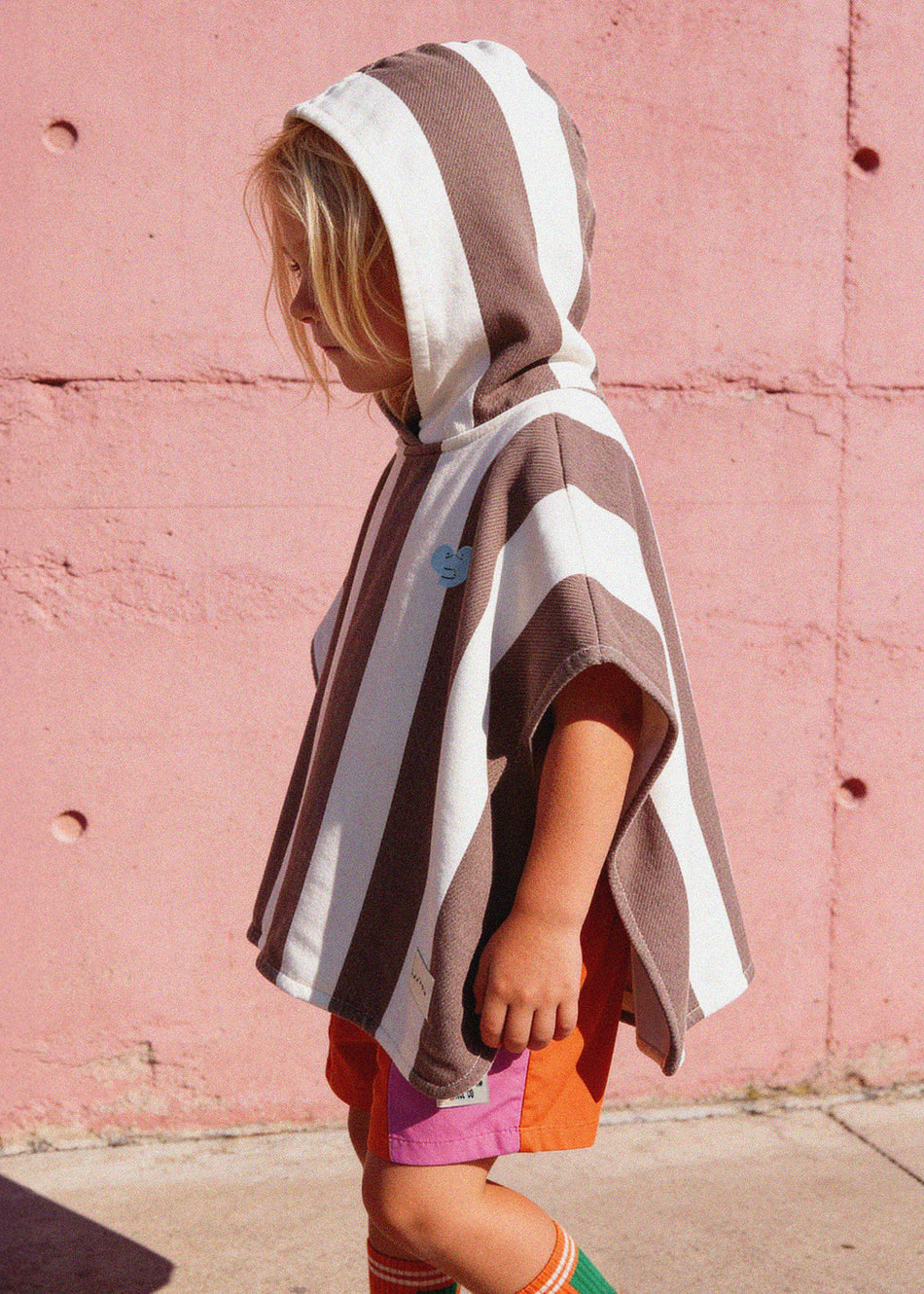
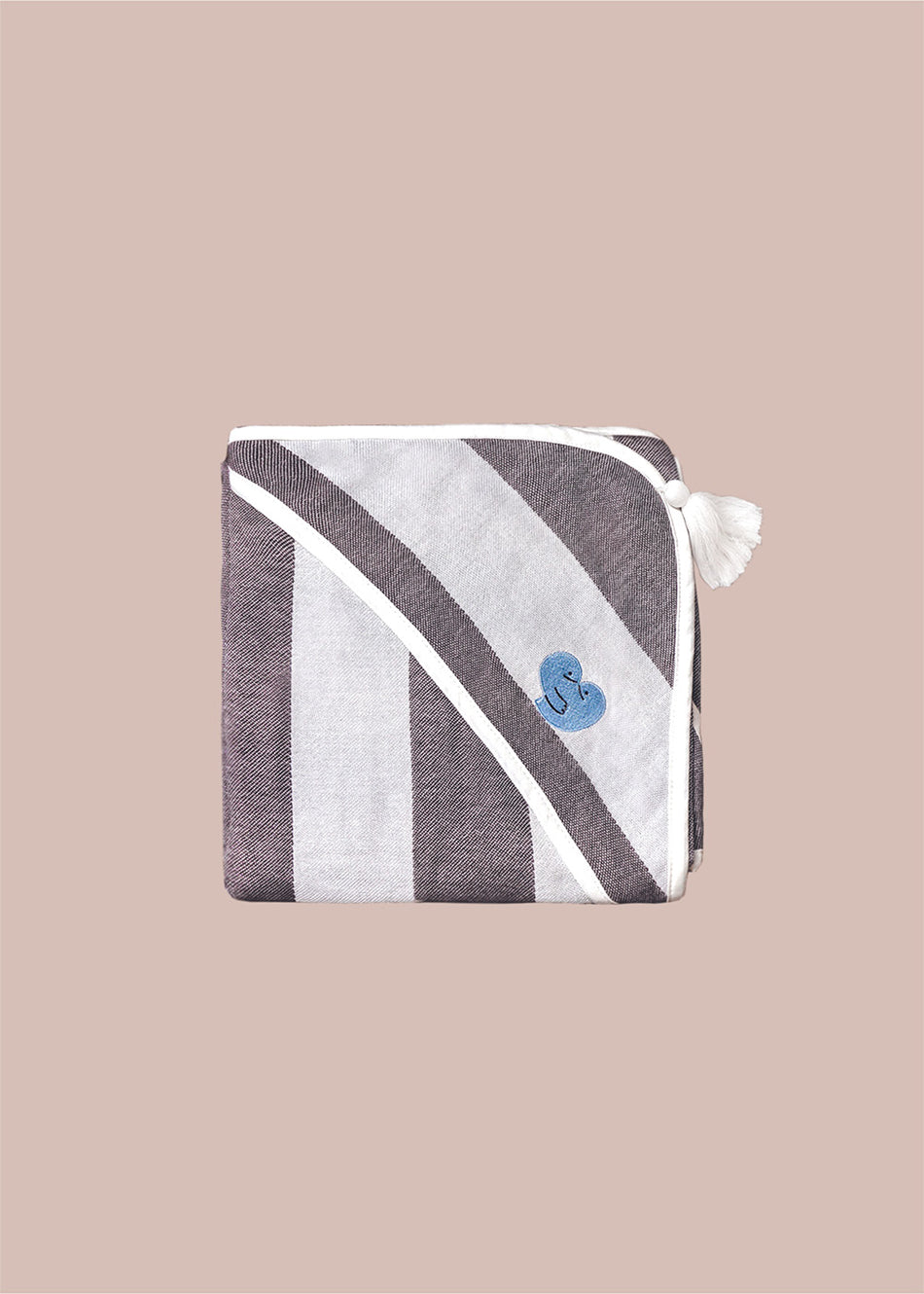
High-quality natural fabrics don't stiffen or lose their structure even after repeated washing. This is especially important for textiles that come into direct contact with the skin, such as bath towels or lightweight wipes.
Form stability
Fabrics that don't warp or shrink are easier to fold and store. This helps keep your child's space tidy and reduces the number of items replaced due to loss of shape.
Functionality in daily rituals
Children's textiles accompany many repetitive activities. Their functionality influences the fluidity of daily life.
Multi-purpose products
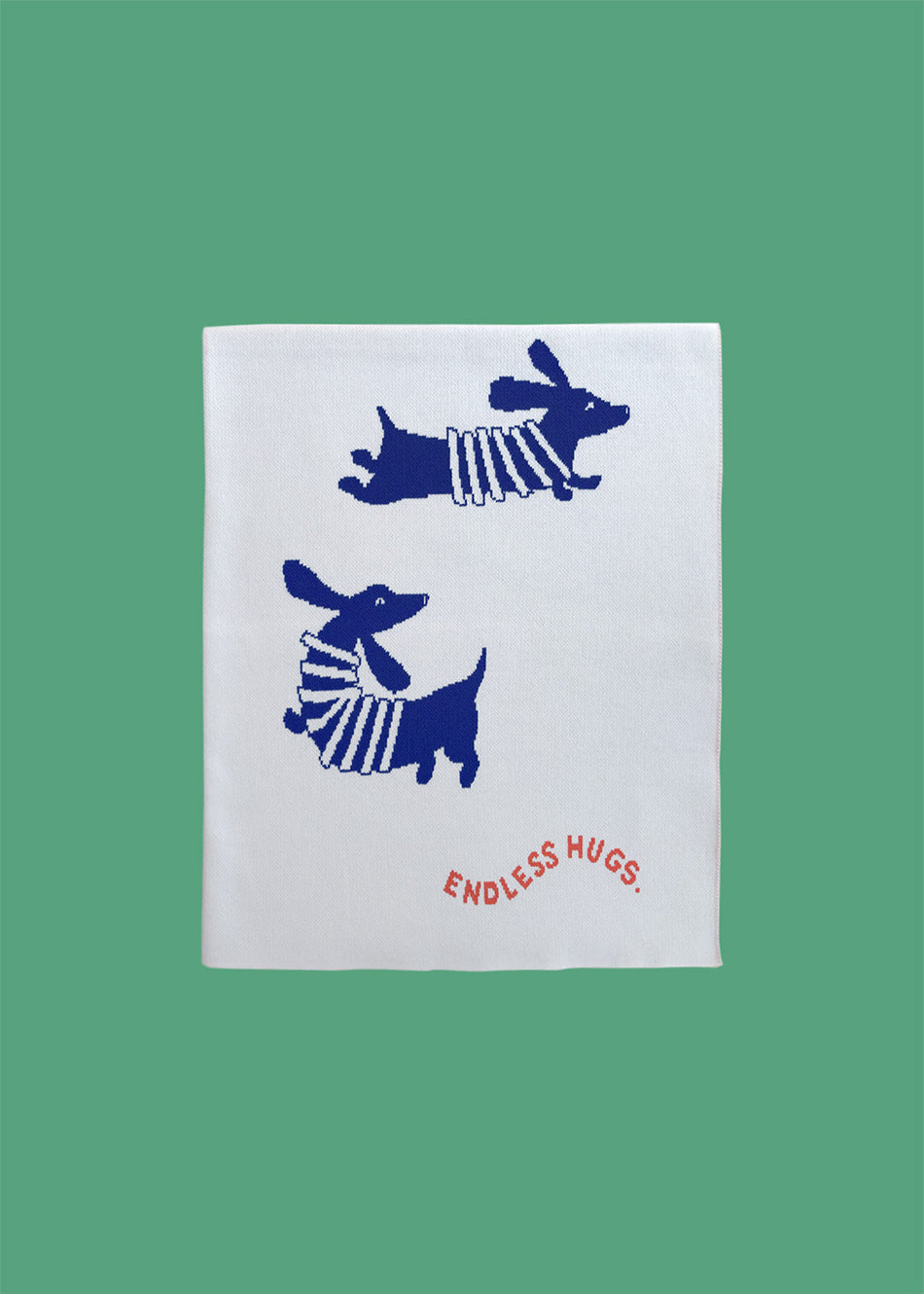
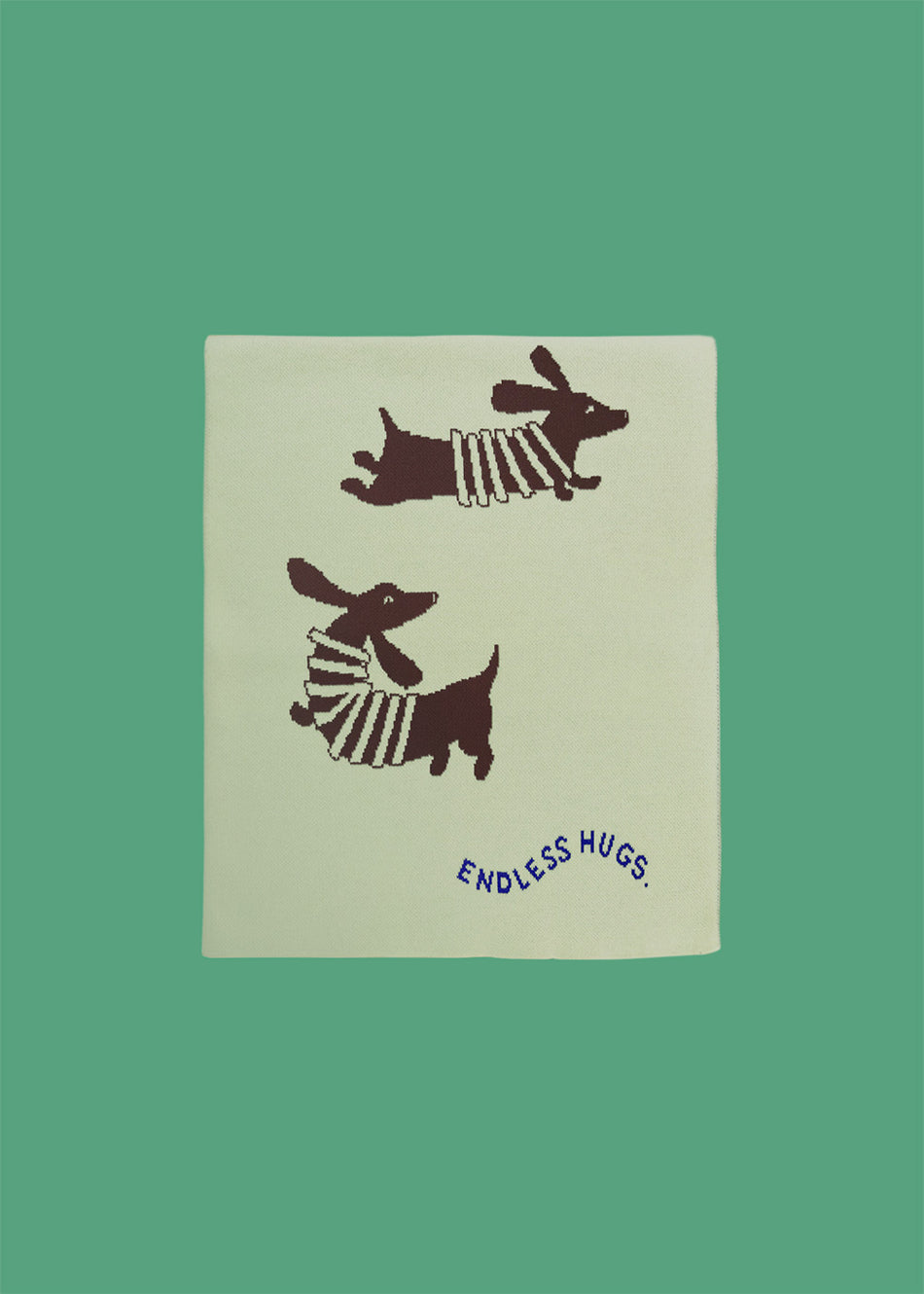
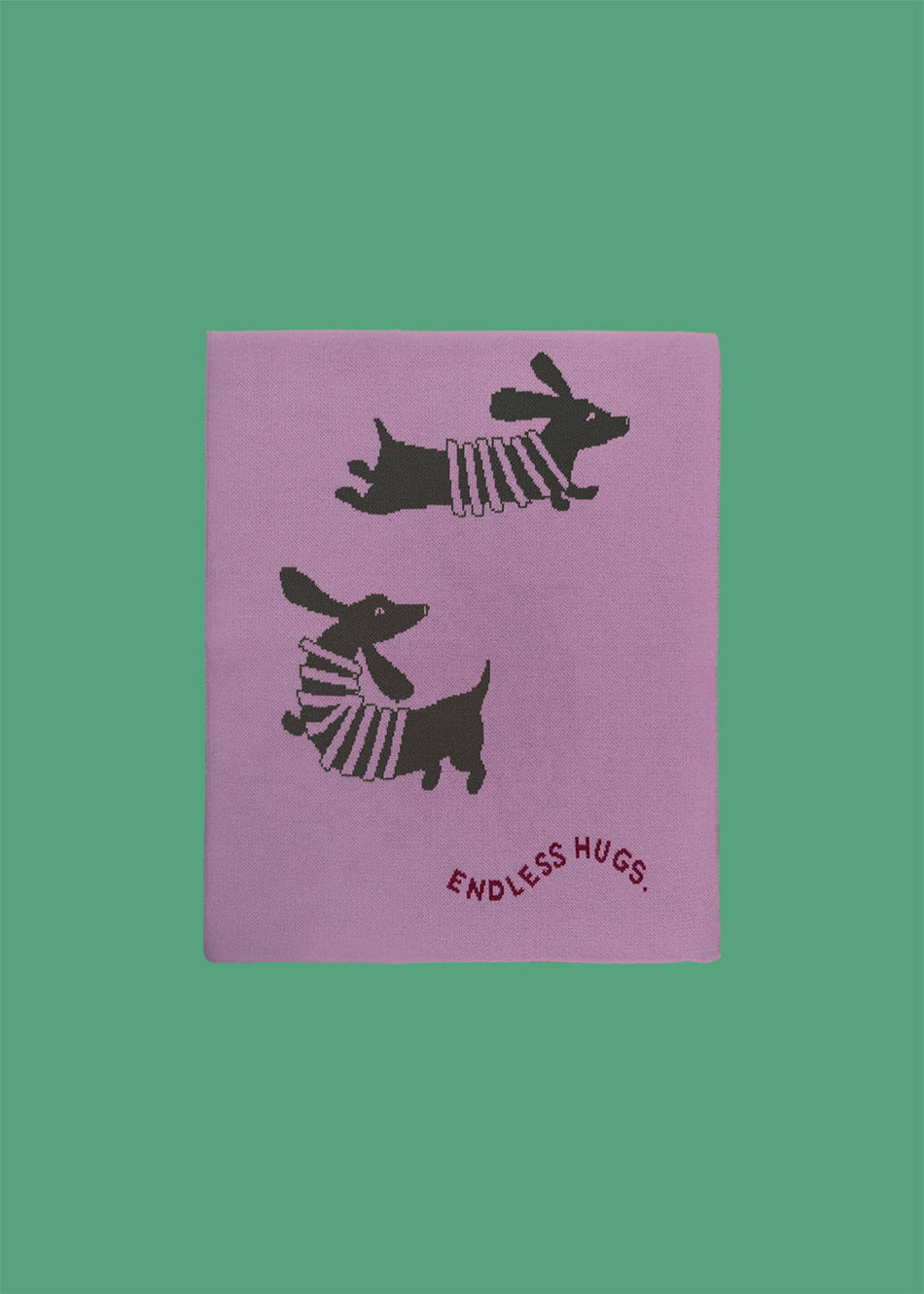
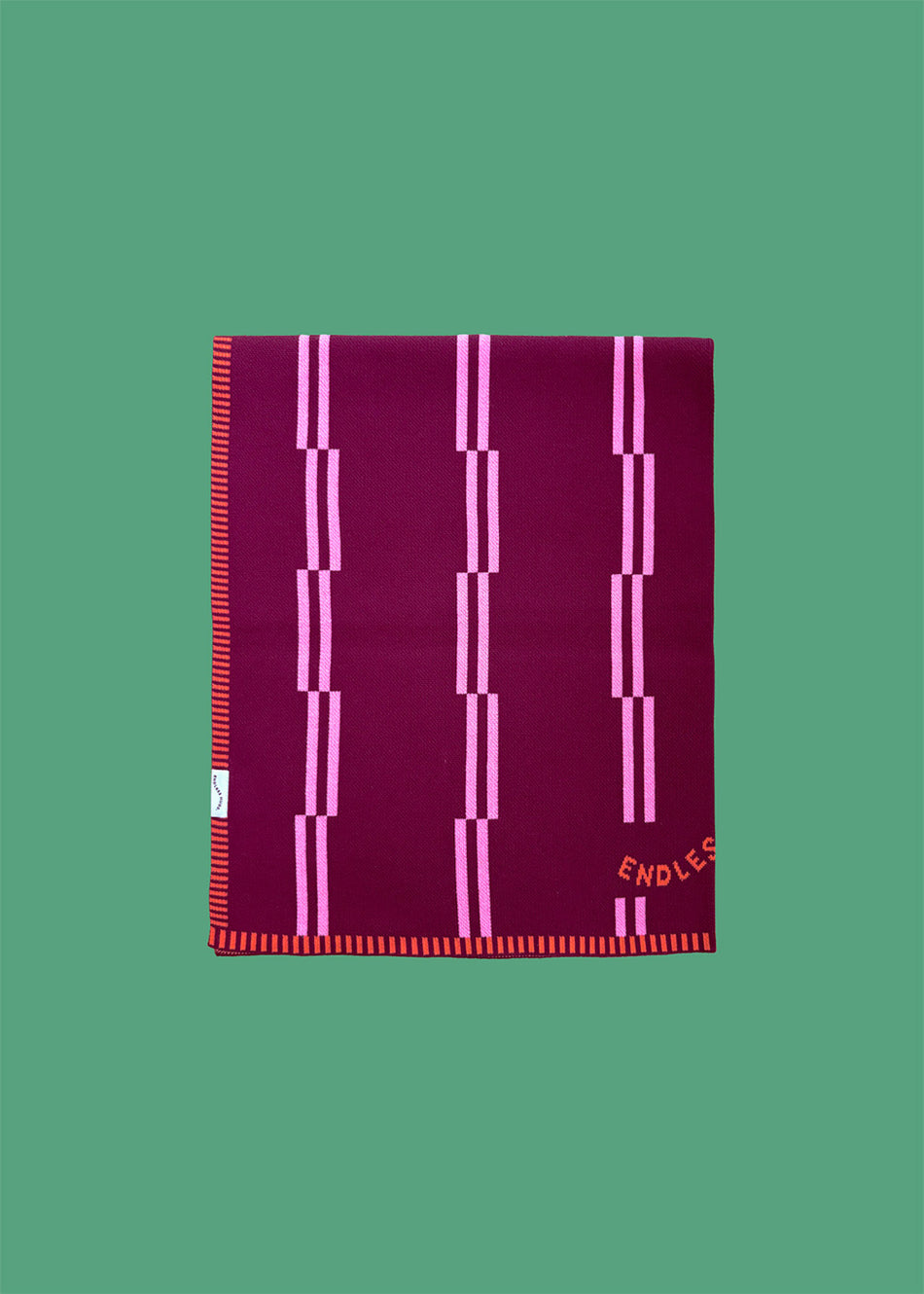
A blanket that can be used as a blanket, play mat, and coverlet reduces the number of items needed at home. Muslin swaddles, too, can be used in many ways. They can also be helpful in everyday applications. children's blankets that are easy to move between areas of the house.
Ease of use
Lightweight and easy-to-fold fabrics make it easier to respond to your child's needs without unnecessary preparation. In practice, this means less "cleaning up along the way" and greater predictability throughout the day.

Care and storage
How you care for textiles directly impacts their durability and comfort. In everyday life, simplicity is key.
Simple laundry rules
Natural fabrics respond well to mild detergents and moderate temperatures. They do not require specialized treatments, and consistent care helps maintain the material's softness and breathability.
Hassle-free storage
Lightweight fabrics take up less space and are easier to rotate depending on the season or child's developmental stage. In practice, this makes it easier to maintain order without creating multiple separate sets.
Aesthetics as an element supporting function
While appearance shouldn't be the sole criterion, aesthetics still play a role in everyday use. Consistent colors and simple patterns help maintain visual order.
Neutral colors
Subdued colors are easier to combine with other furnishings and do not dominate the space.
Minimalist patterns
Simple forms create a peaceful atmosphere and do not distract the child's attention.
The most important criteria for choosing textiles for everyday use
Apart from the appearance, it is worth paying attention to several key aspects that determine the actual functionality:
-
natural composition of the material,
-
breathability and temperature regulation,
-
durability even with frequent washing,
-
multitasking,
-
ease of care and storage.
Children's textiles that are suitable for everyday use support child comfort and a tidy home. Consciously selecting materials, functions, and forms allows for the creation of a cohesive, practical foundation for the long term. This approach aligns with the Endless Hugs brand philosophy , which focuses on natural materials, functionality, and simplicity in a child's everyday environment.