


A parent with a passion for design - how to arrange an aesthetic and functional baby room
Decorating a baby's room is a special moment for many parents. It's a space that should be beautiful, functional, safe, and developmentally friendly. Design-conscious parents are increasingly seeking minimalist, natural, and durable solutions, based on a timeless aesthetic. Textiles and accessories play a key role, influencing both the perception of the space and the child's comfort. Natural fabrics like bamboo, cotton, and linen create an interior that is light, cohesive, and gentle on delicate skin.
How to approach designing a baby room?
It's best to design a children's room with harmony and a limited number of elements in mind. A clear design helps create a calming atmosphere while also allowing parents to easily maintain order. Natural fabrics and muted textile colors lend a soft, warm feel to the interior.
Colors, materials and structures - the foundation of a stylish arrangement
Color plays a significant role in a baby's room. Parents with a keen eye for aesthetics often choose subtle hues that don't overwhelm the space and complement wood and natural materials well. It's important to create cohesive combinations between furniture, textiles, and accessories.
Natural fabrics as a decorative element
Bamboo, cotton, and linen are distinguished by their softness and elegant finish, bringing lightness and harmony to any arrangement. When it comes to bedding, swaddles, and blankets, functionality is key, as is the aesthetics of the fabric, which influences the visual and tactile experience.
Colors that create atmosphere
Neutral shades are most often chosen – beiges, creams, grays, and muted pastels. These colors perfectly emphasize the calming character of the interior. They also allow for the introduction of individual color accents that don't disrupt the overall aesthetic.

Textiles as a key element of functional arrangement
Textiles are among the most important design elements in a baby's room. They influence the comfort of daily activities, create coziness, and refine the visual character of the interior. The choice of natural materials makes these elements both functional and aesthetically pleasing.
Bedding and blankets that contribute to the character of the space
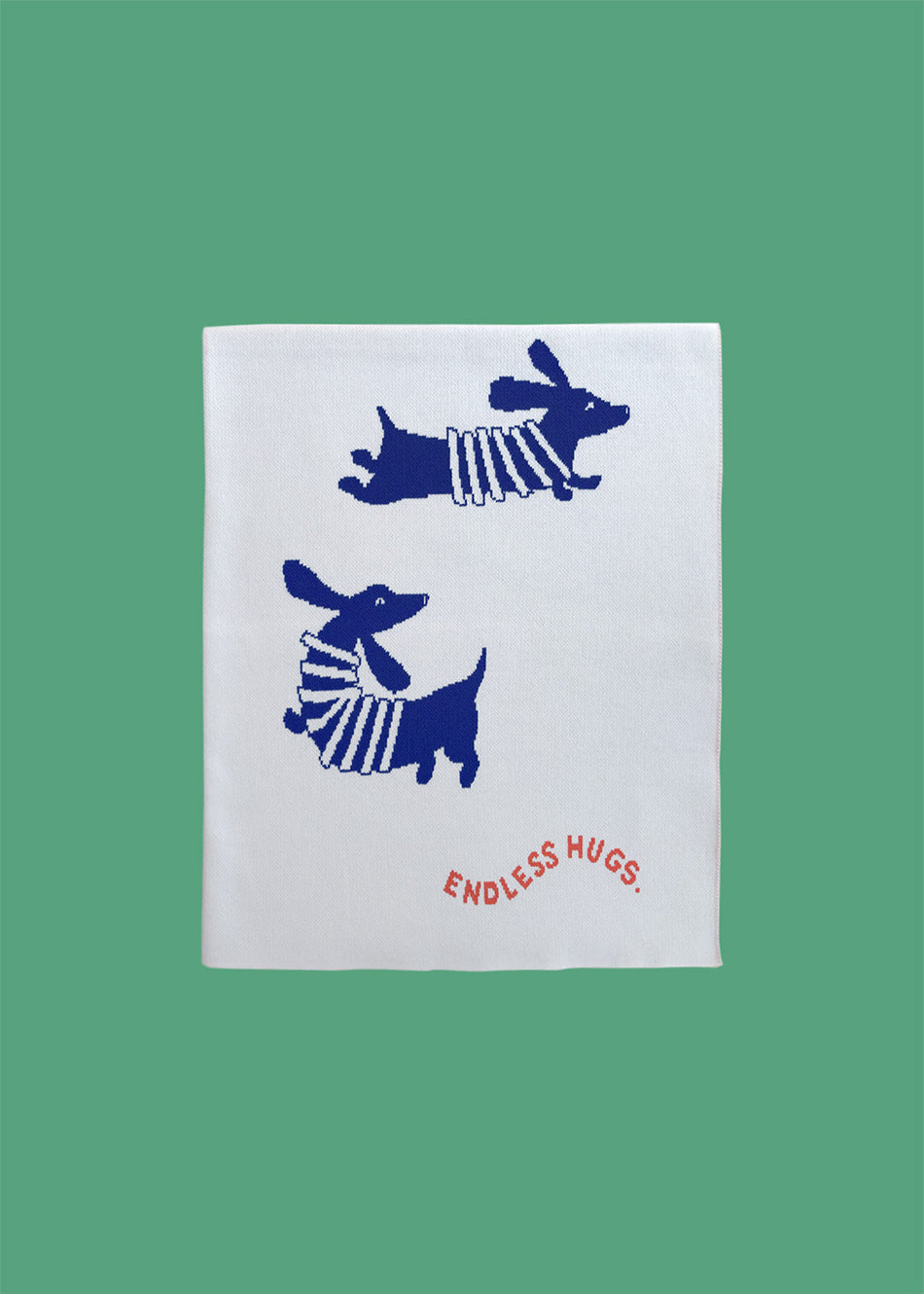
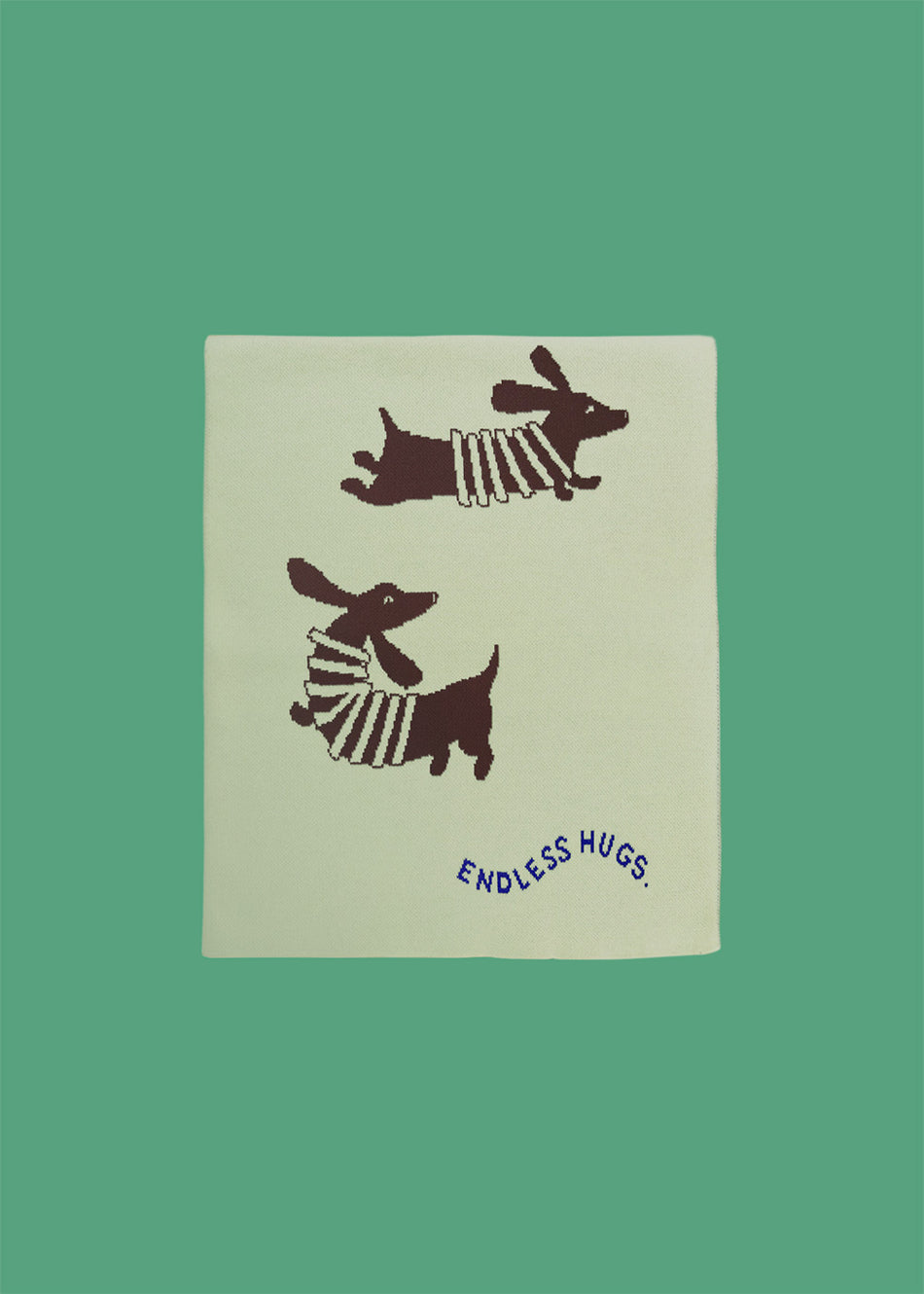
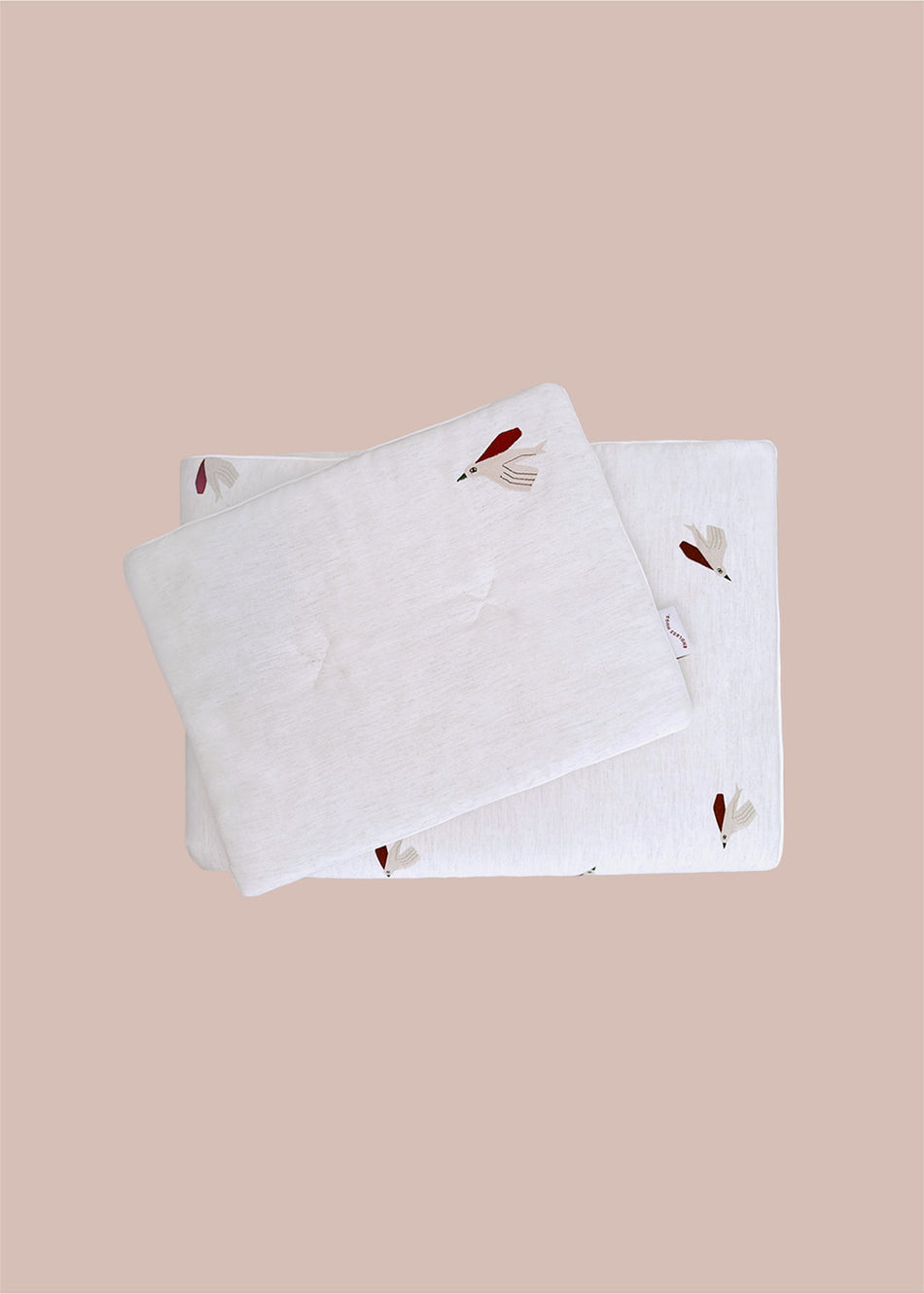
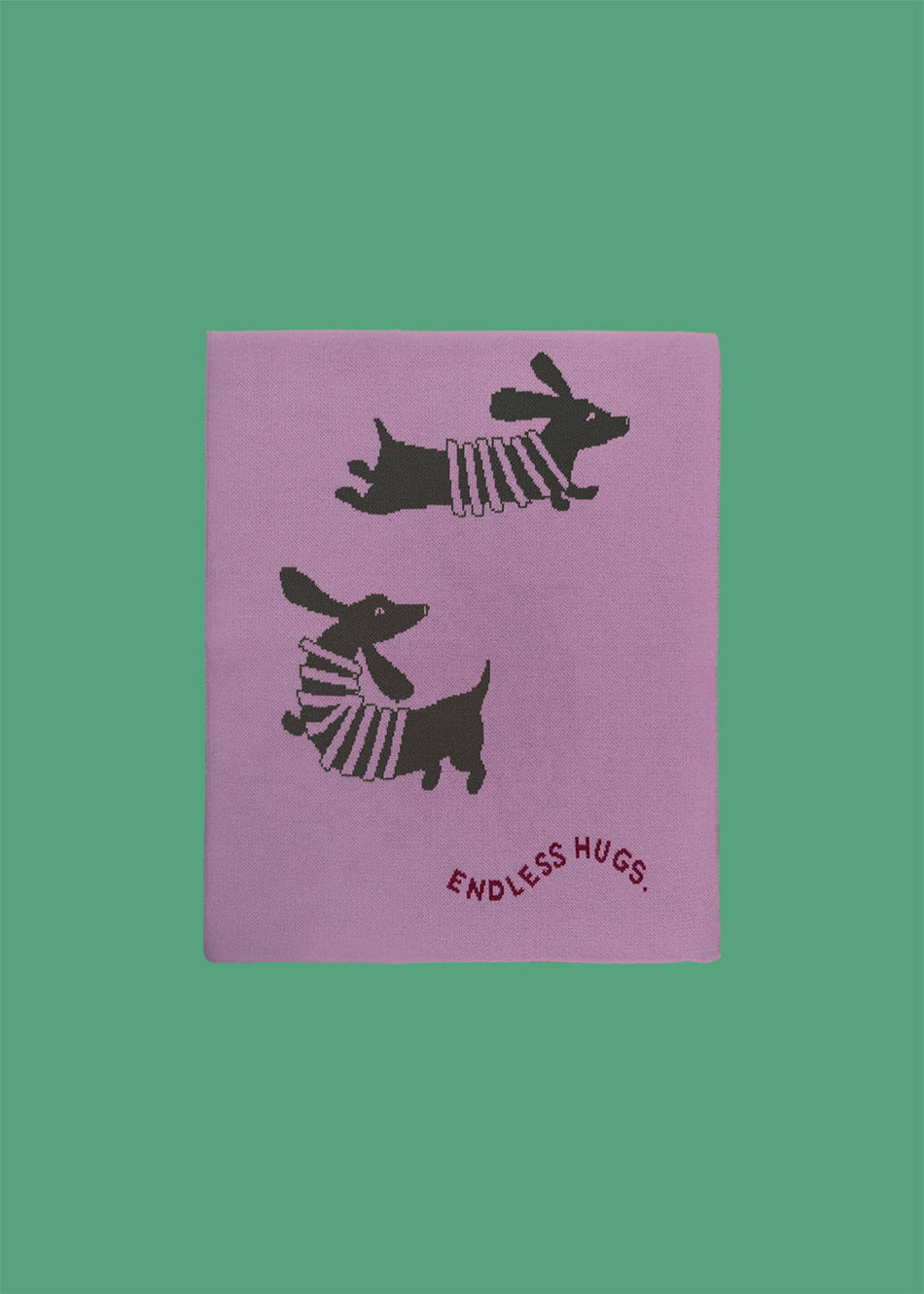
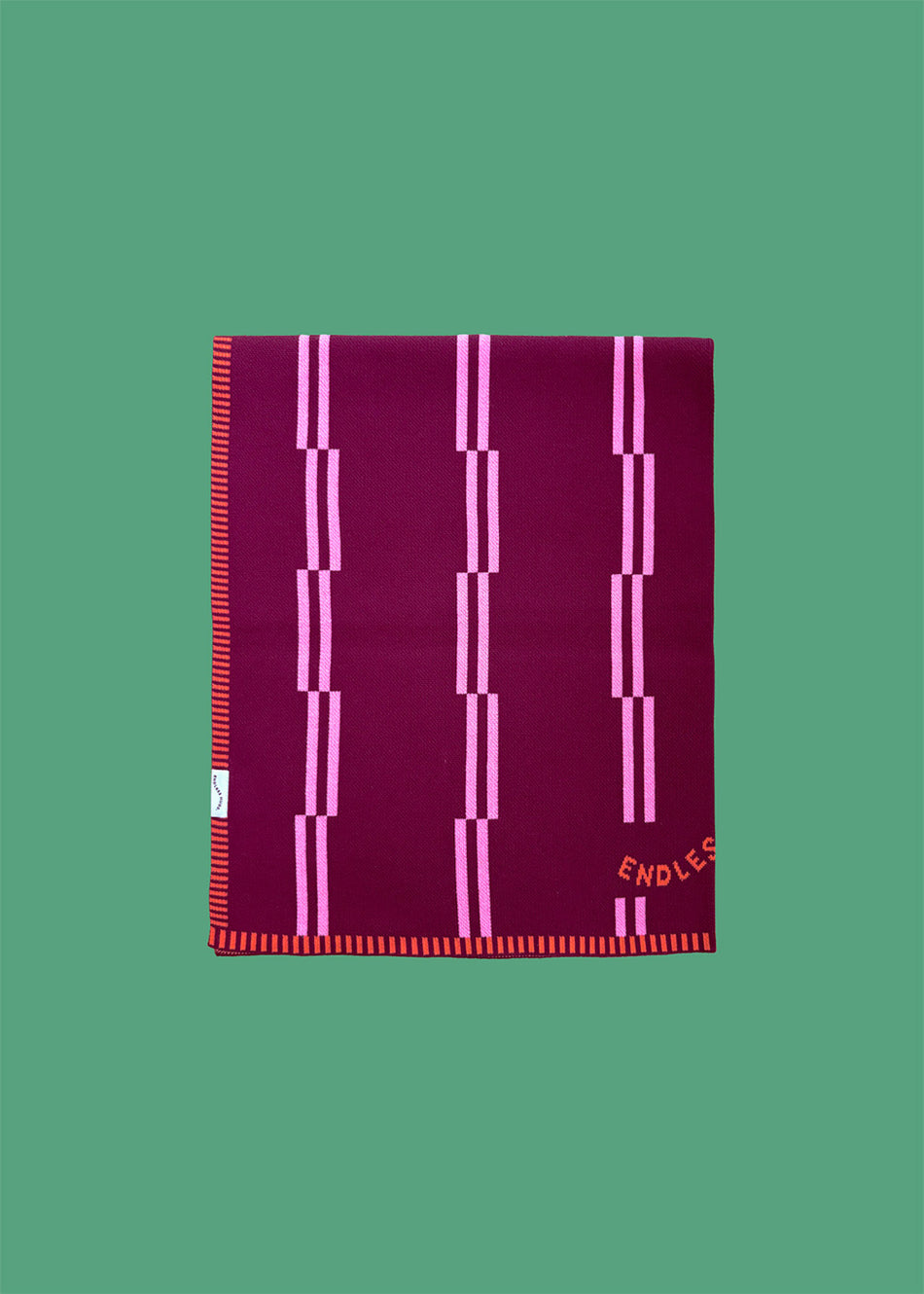
Children's bedding made from airy fabrics enhances the delicate nature of the sleep zone. A lightweight blanket made of natural fiber can serve as a blanket, a cot decoration, or a nap accessory in the stroller. Softly textured textiles bring a sense of warmth and security.
Swaddles and muslin accessories as practical decoration
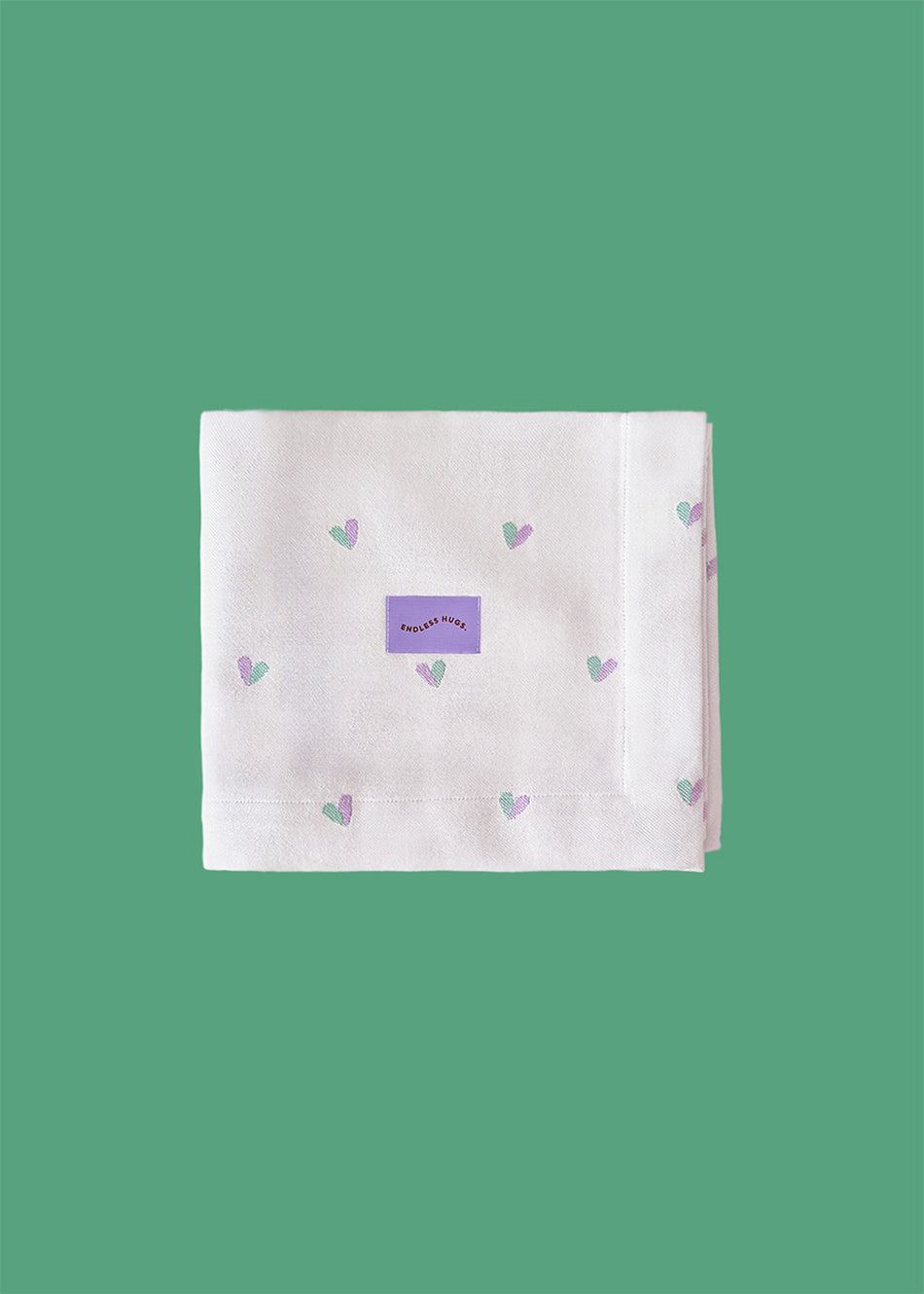
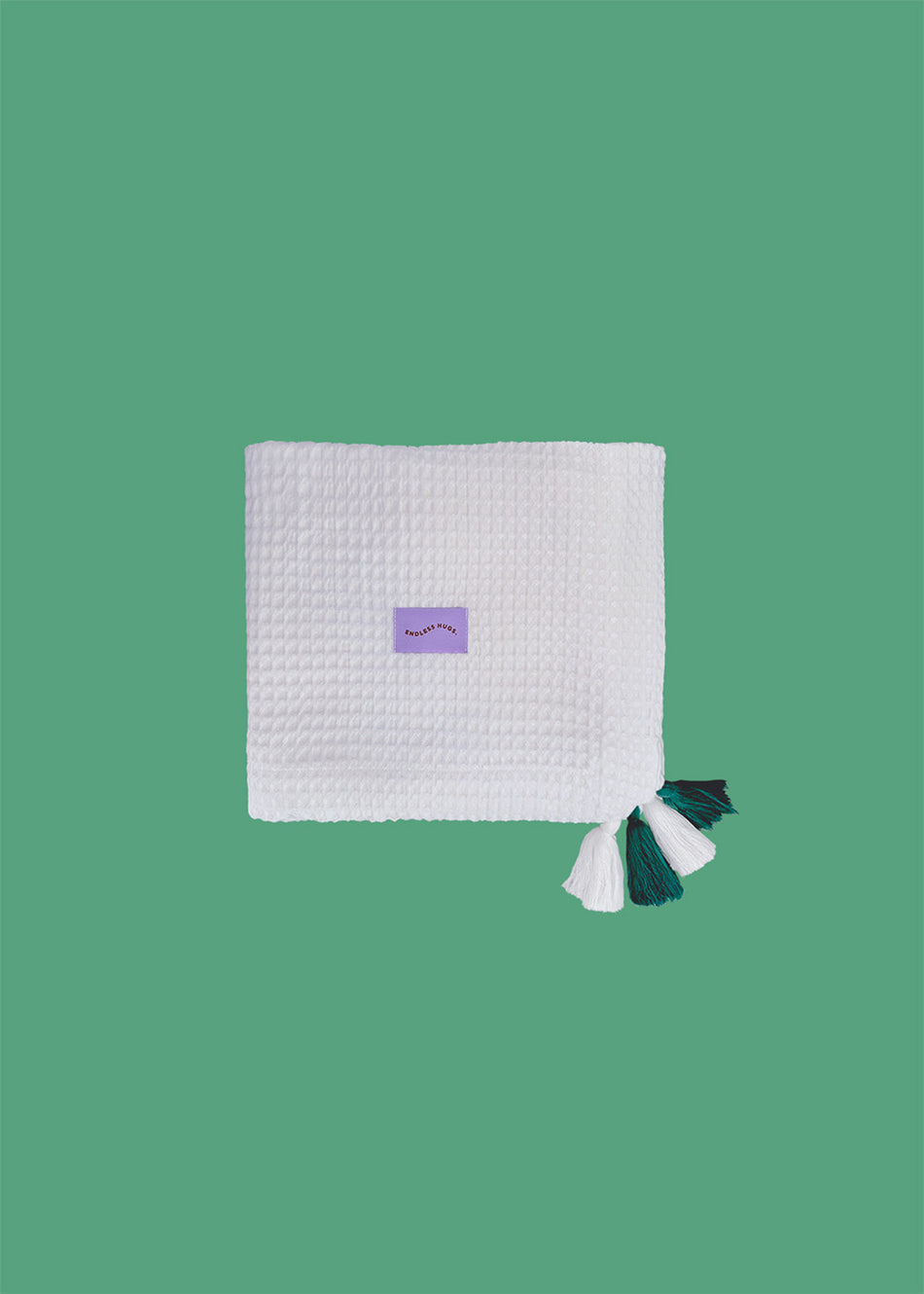
Bamboo and muslin swaddles combine functionality with aesthetics. They can be used as a cover and also act as a natural decoration in a space. Their subtle texture and lightweight structure bring softness to the interior without overly decorative.

Zones in a baby's room - how to plan them with design in mind?
A well-designed baby room incorporates zoning. This approach helps maintain order and gives the space a clear layout that facilitates daily care.
Sleep zone
The sleep area should be uncluttered and free of unnecessary items. A crib, soft bedding, a blanket, and decorations made from natural materials create a cohesive whole. Airiness and simplicity are paramount.
Care zone
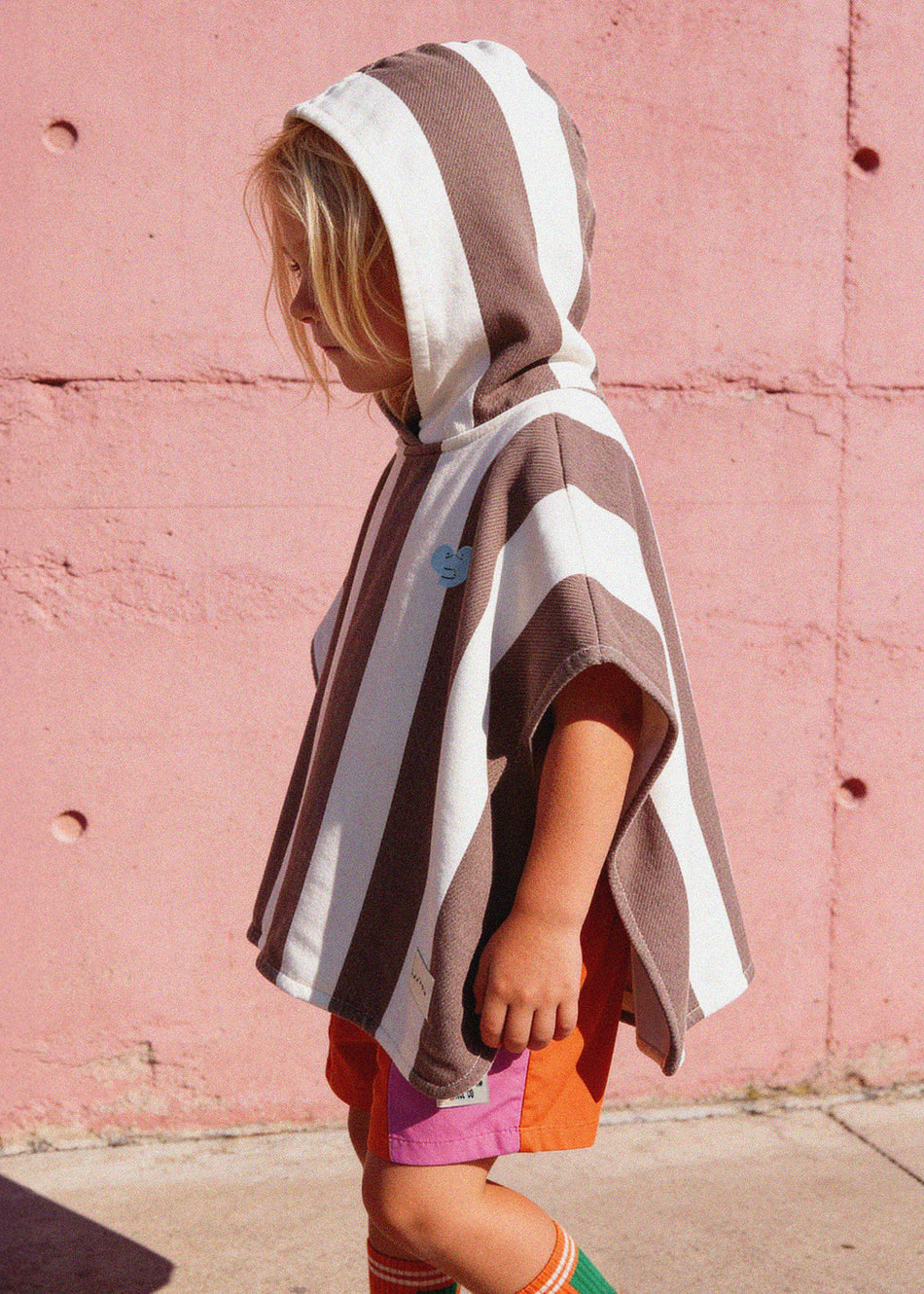
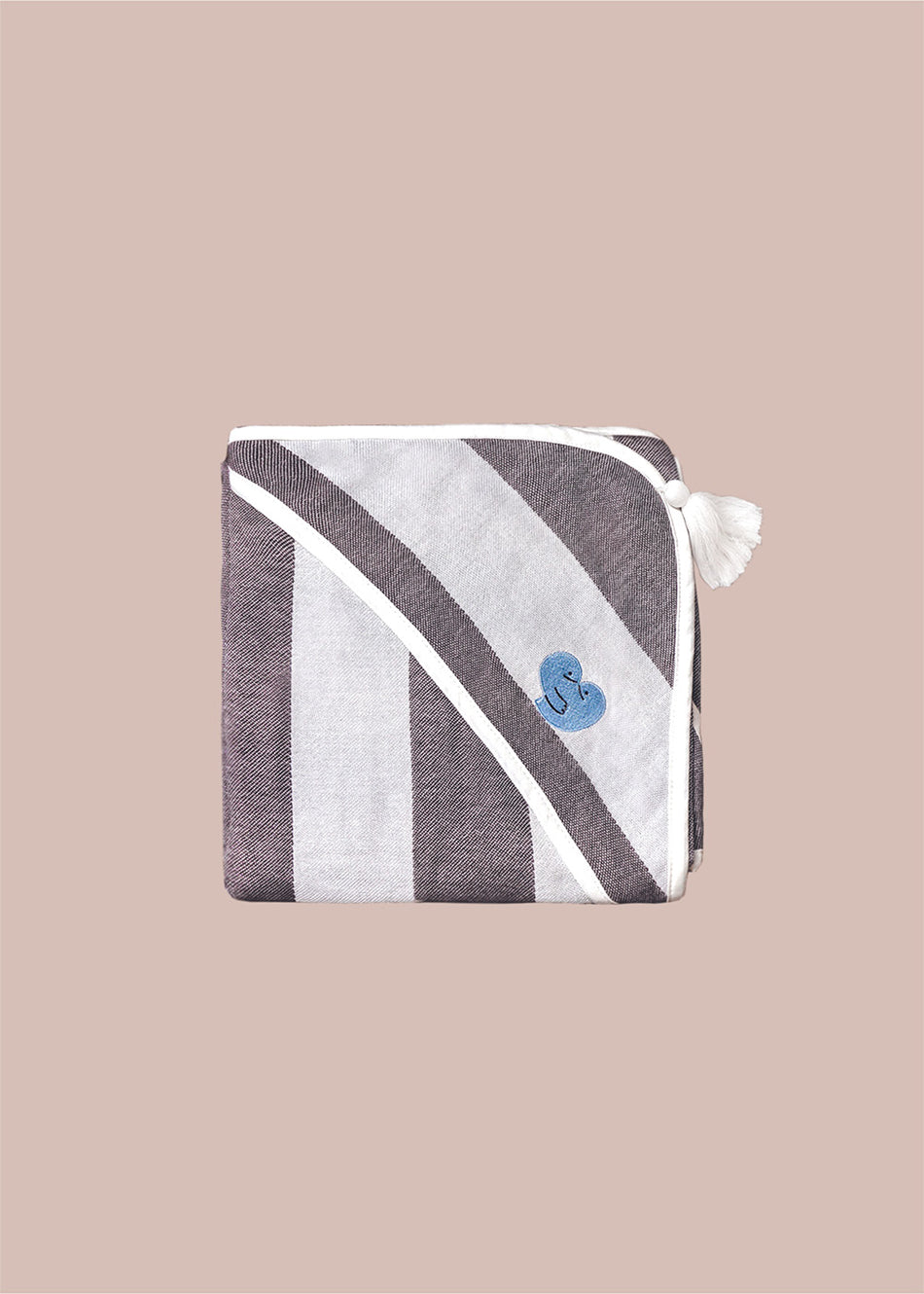
In this part of the room, ease of organization is key. A soft fabric towel , muslin diapers, and daily changing accessories create a functional yet aesthetically pleasing set. Natural fibers give the care area a light, organized feel.
Fun and activity zone
Even in rooms designed for the youngest, it's worth including a space for quiet play. A mat, blanket, or soft throw can create a comfortable space for their first activities. Natural materials support daily rituals and complement minimalist decor.

How to introduce decorations in the spirit of minimalism?
Baby rooms don't require a lot of decoration to look beautiful. Subtle accessories made from natural materials allow for stylistic cohesion without overloading the space with unnecessary elements.
Textile decorations
Bedding, swaddles and blankets They can function as decoration in their own right. The material's structure, color, and arrangement create aesthetically pleasing compositions that require no additional embellishments.
Light and soft details
Subtle lighting accentuates the interior's harmony. Simple lamps, natural lampshades, and light curtains create a soothing atmosphere. Combined with light fabrics, the overall effect is cohesive and designer-like.
How to create arrangements that grow with your child?
A baby's room changes with the little one's needs. It's worth choosing elements that can be easily adapted to the next stages of development. Natural fabrics and neutral colors ensure that many products remain functional for a long time.
Universal textiles
A blanket, swaddle, or bedding made from natural fibers can be used for many months. Their timeless design and delicate color palette allow for a seamless transition from a baby's room to a preschool setting.
Neutral decor base
Choosing furniture and décor in neutral colors allows you to easily change the feel of a room. Simply adding new textiles or small accents can give the space a fresh look without having to replace all your furnishings.
The most important conclusions and inspirations for parents who value design
Designing a baby's room can be a process that combines aesthetics and functionality. Choosing natural materials, limiting the number of elements, and maintaining color consistency are key.
-
natural fabrics bring softness and lightness to the interior,
-
textiles can have both a practical and decorative function,
-
the harmonious division of space facilitates the organization of daily activities,
-
a neutral color palette allows you to create arrangements that grow with your child.
An aesthetically pleasing baby room, based on natural textiles and minimalist solutions, promotes both daily rituals and peaceful relaxation. Products made in Poland from delicate fibers, available from brands such as Endless Hugs, can form a cohesive element of such a space, combining functionality with timeless aesthetics.