

Children's space at home - how to organize it without a revolution?
A child's home space changes as they grow. New needs, developmental milestones, and daily rituals quickly mean that their environment no longer looks the same as it did a few weeks ago. However, organizing this space doesn't have to mean major changes, expensive purchases, or reorganizing the entire home. In many cases, minor adjustments are enough to maintain functionality, peace, and aesthetics on a daily basis.
Why does a child's space quickly become untidy?
In the first months of a baby's life, the home becomes a place of intense turnover. Textiles, care products, and small furnishings are used multiple times a day, often in different rooms. Without a simple organizational system, it's easy to create a sense of chaos.
Natural variability of needs
A baby quickly begins to use new objects, and others become unnecessary. The space must keep pace with these changes, but it shouldn't be reorganized from scratch each time.
No permanent functional zones
When your child's products wander around the house without being assigned specific places, maintaining order becomes more difficult. Even a small amount of organization within the zones helps regain control of the space.
Tidying up without revolution – what is this approach?
Organizing without revolution means gradually adapting the space to the current needs of the child and family. Instead of making one-time, major changes, small adjustments to the layout, storage, and selection of items are more effective.
Small changes instead of major cleanups
Removing one unused item or moving textiles closer to where they are actually used can make a noticeable improvement in your daily life.
Flexibility is key
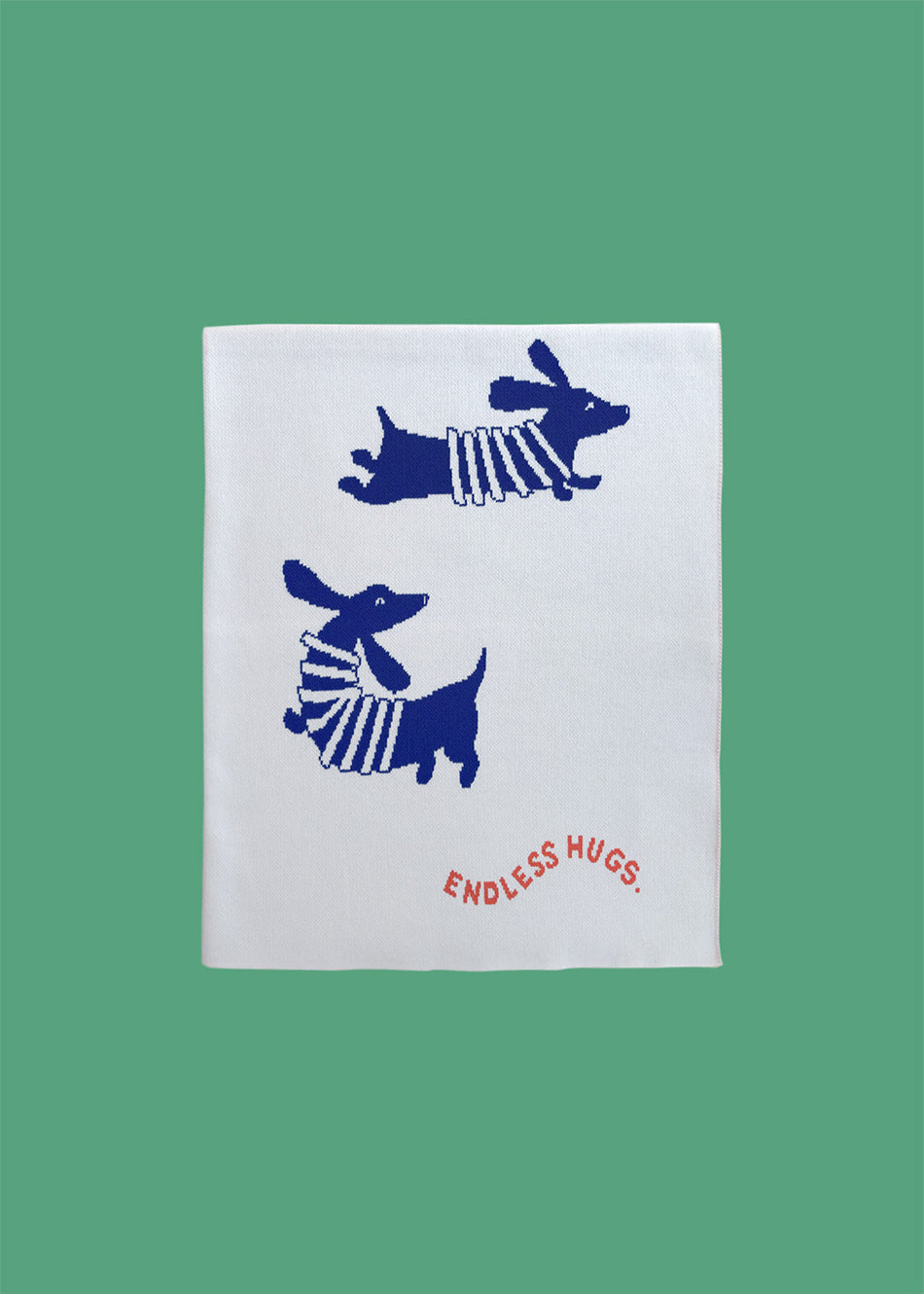
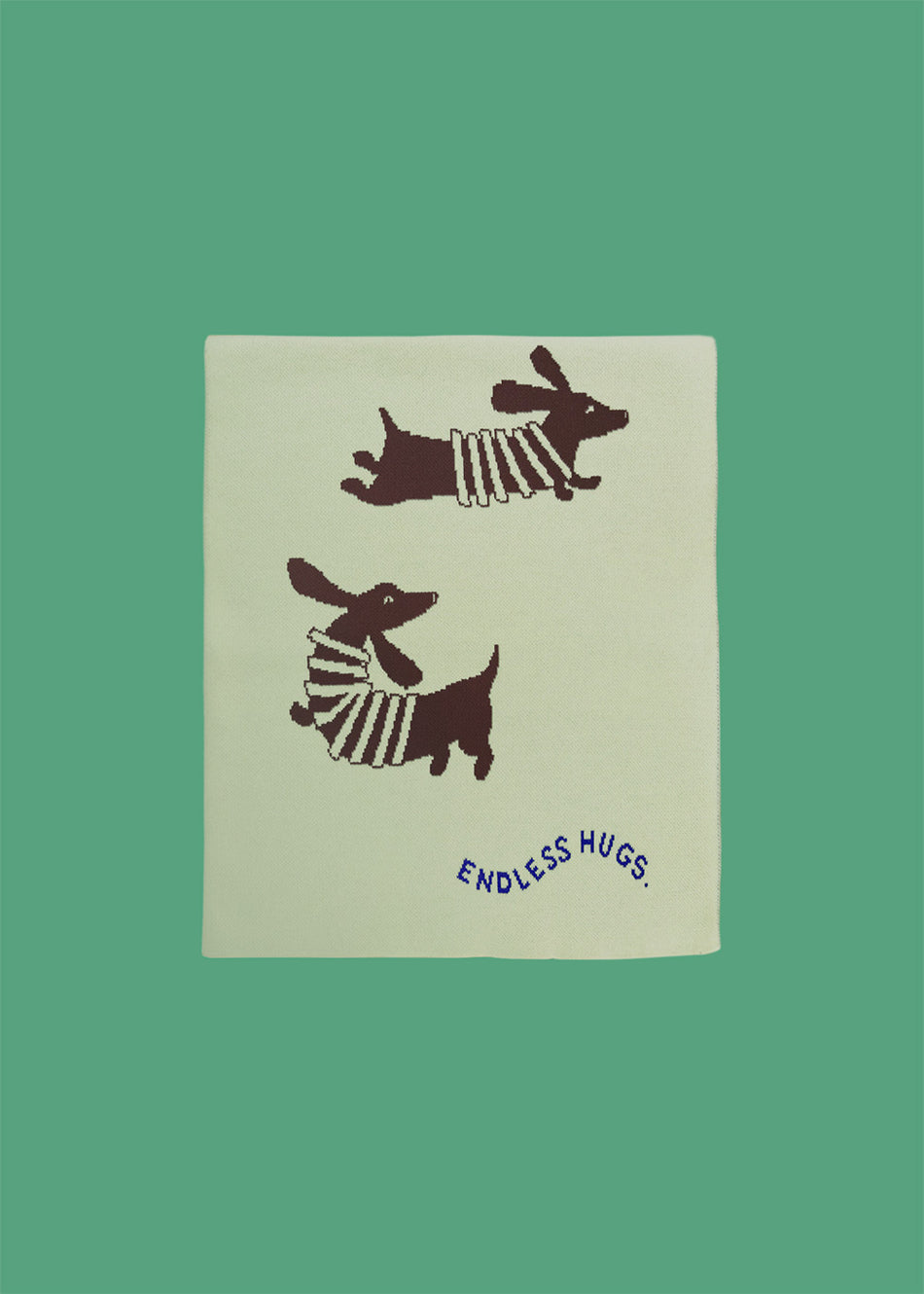
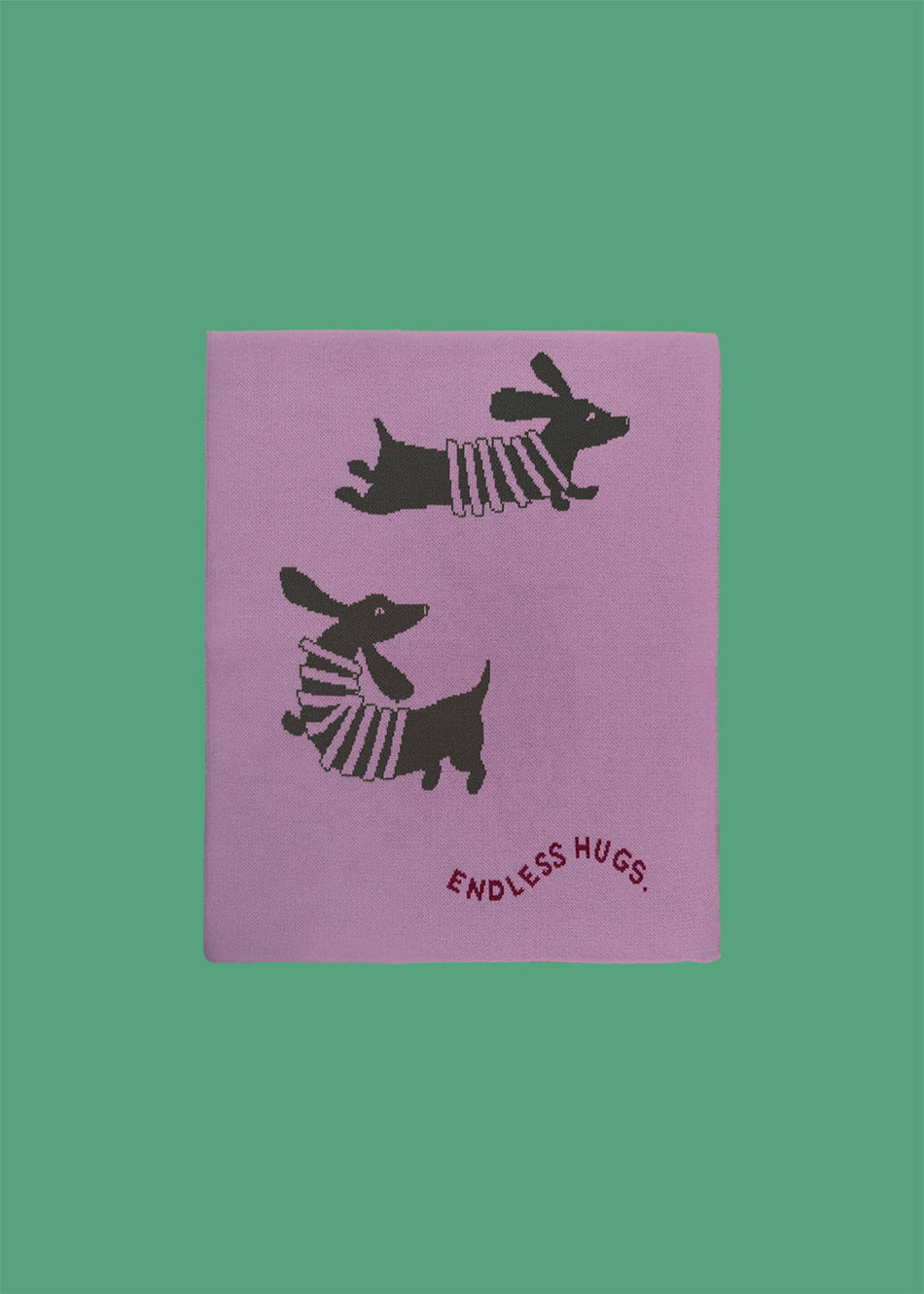
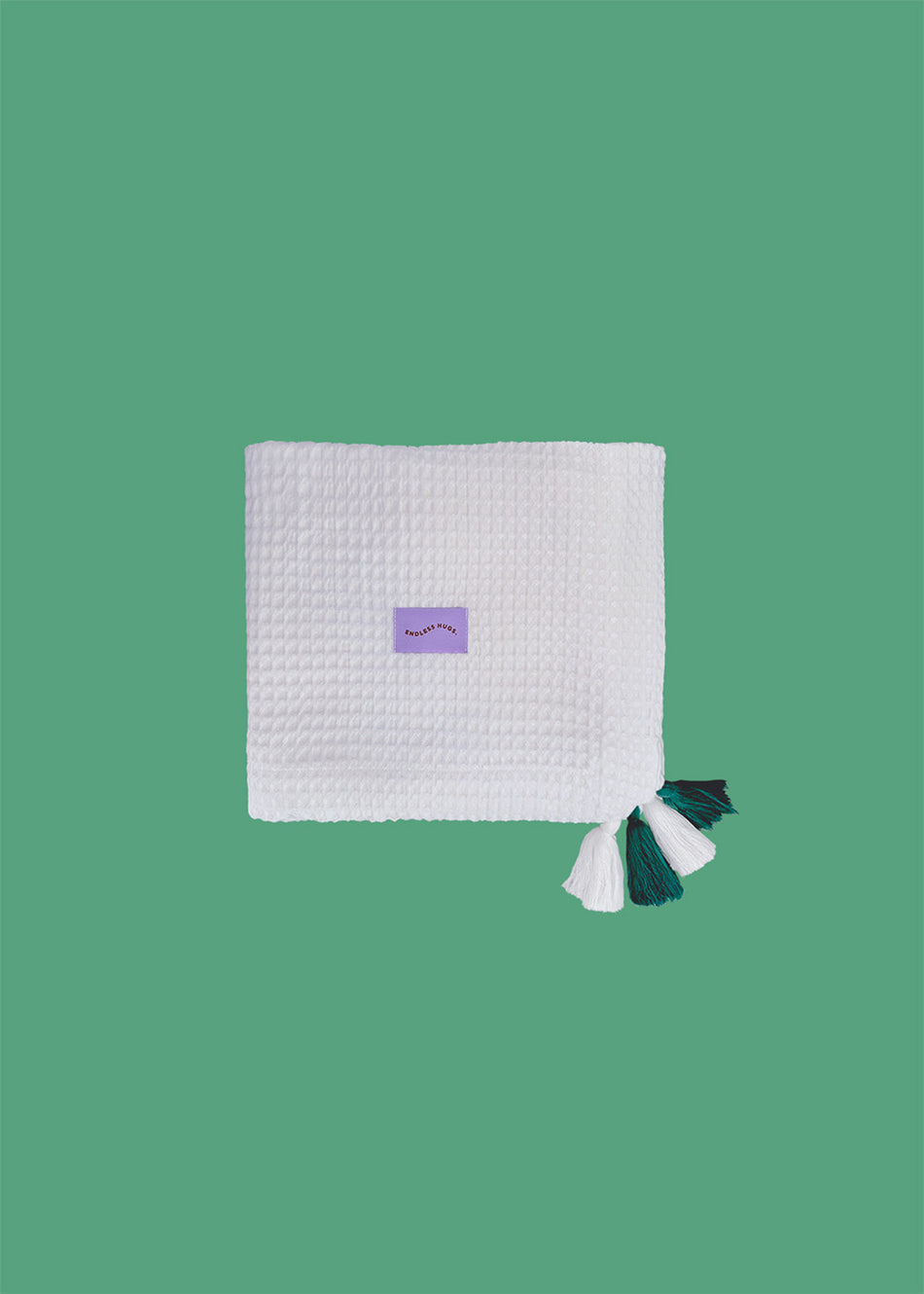
A child's space should be easy to modify. Mobile baskets, lightweight textiles, and multi-purpose products allow for quick adjustments without much effort. Items that can be moved between zones, such as a baby blanket, work well in this approach. used at home and outside.

How to designate zones for children at home?
Separating zones doesn't require a separate room. Simply arranging items logically in the places where they're actually used will suffice.
Sleep zone
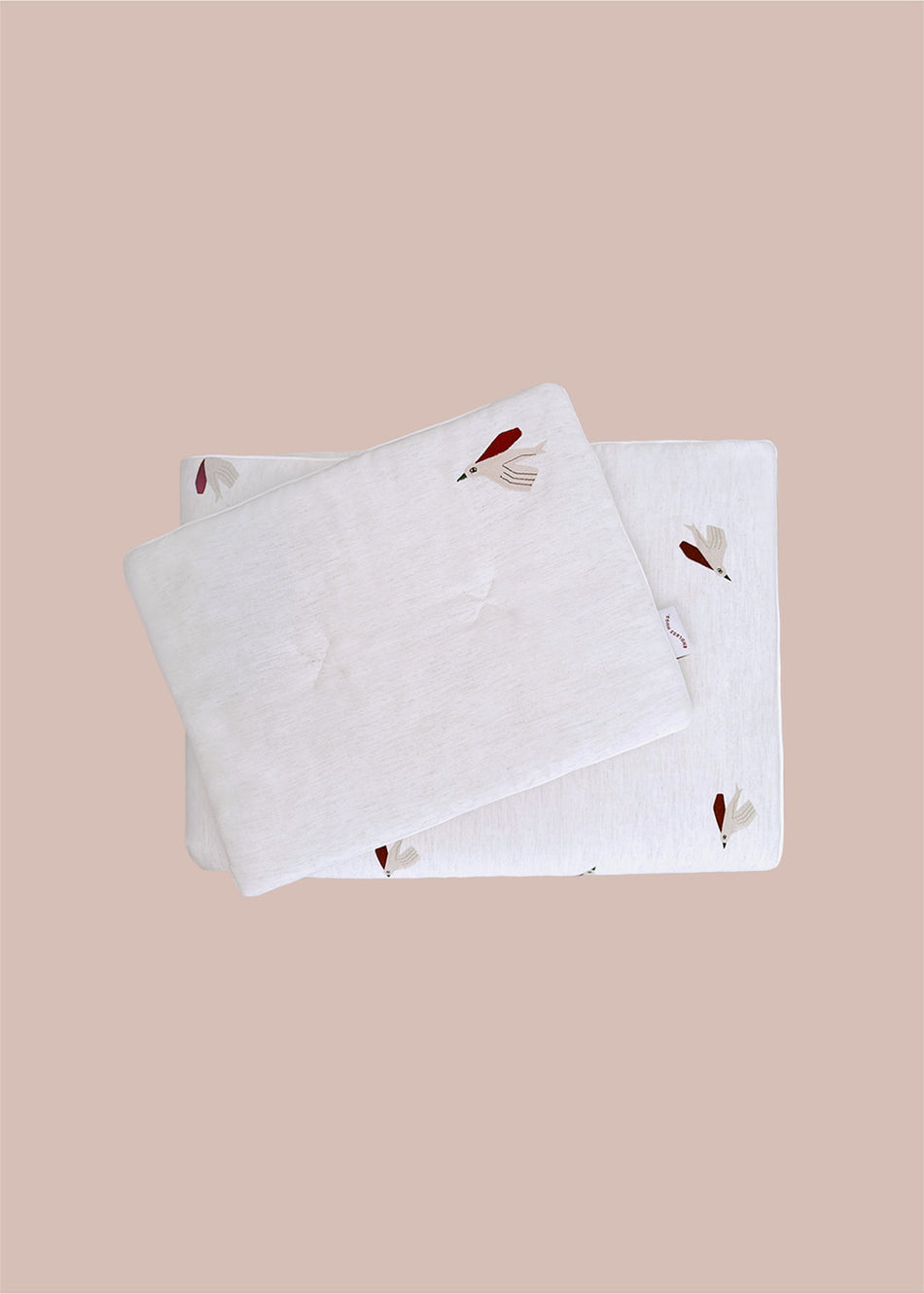
This space should be as constant and peaceful as possible. Limiting the number of items within it promotes tranquility and facilitates falling asleep. Airiness and tactile comfort are also important in the sleep zone, which is why it is often chosen bedding for children and babies based on pleasant, breathable fabrics.
Care zone
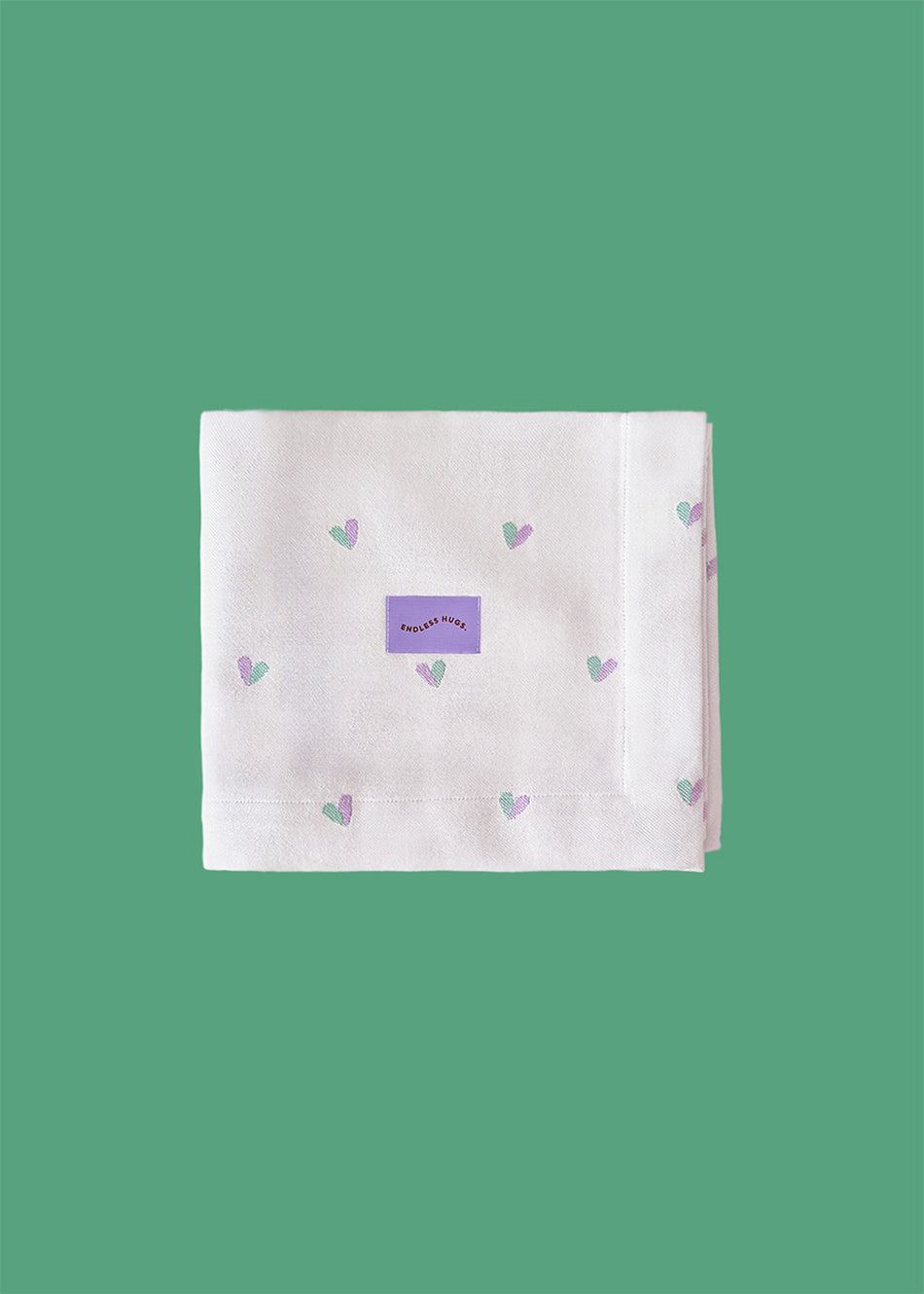
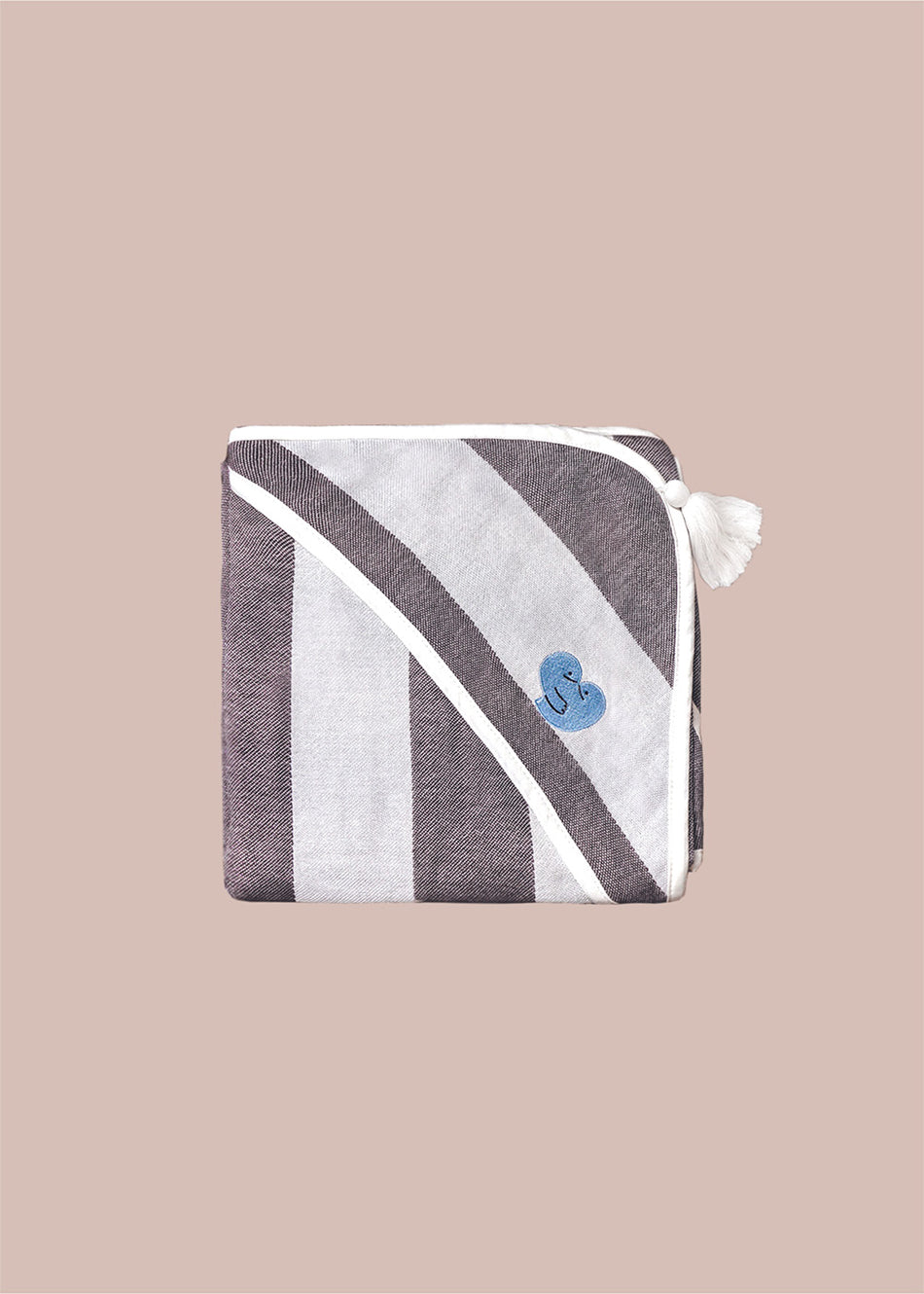
It's a good idea to keep textiles and accessories for changing and care in one place, even if you change diapers in different parts of the house. In practice, easily portable solutions are useful, and lightweight covers, such as a swaddle for a newborn , used for wrapping or as a protective layer in various situations.
Living area
In the living room or other room where a child spends time during the day, textiles that are easy to put away or reuse quickly work well. The "one thing, several roles" principle, which is practically demonstrated in this post, works well. muslin blanket - how to use it in 10 different ways .
The role of textiles in organizing a child's space
Textiles are one of the most frequently used furnishing elements in a child's space. Choosing them correctly can significantly improve both order and functionality.
Multi-purpose products
Textiles that serve more than one function help reduce the number of items in the home. A single blanket can serve as a blanket, a play mat, or a stroller cover. In practice, this role is often fulfilled by a baby blanket , because it is easy to incorporate it into various situations during the day.
Natural materials as a base
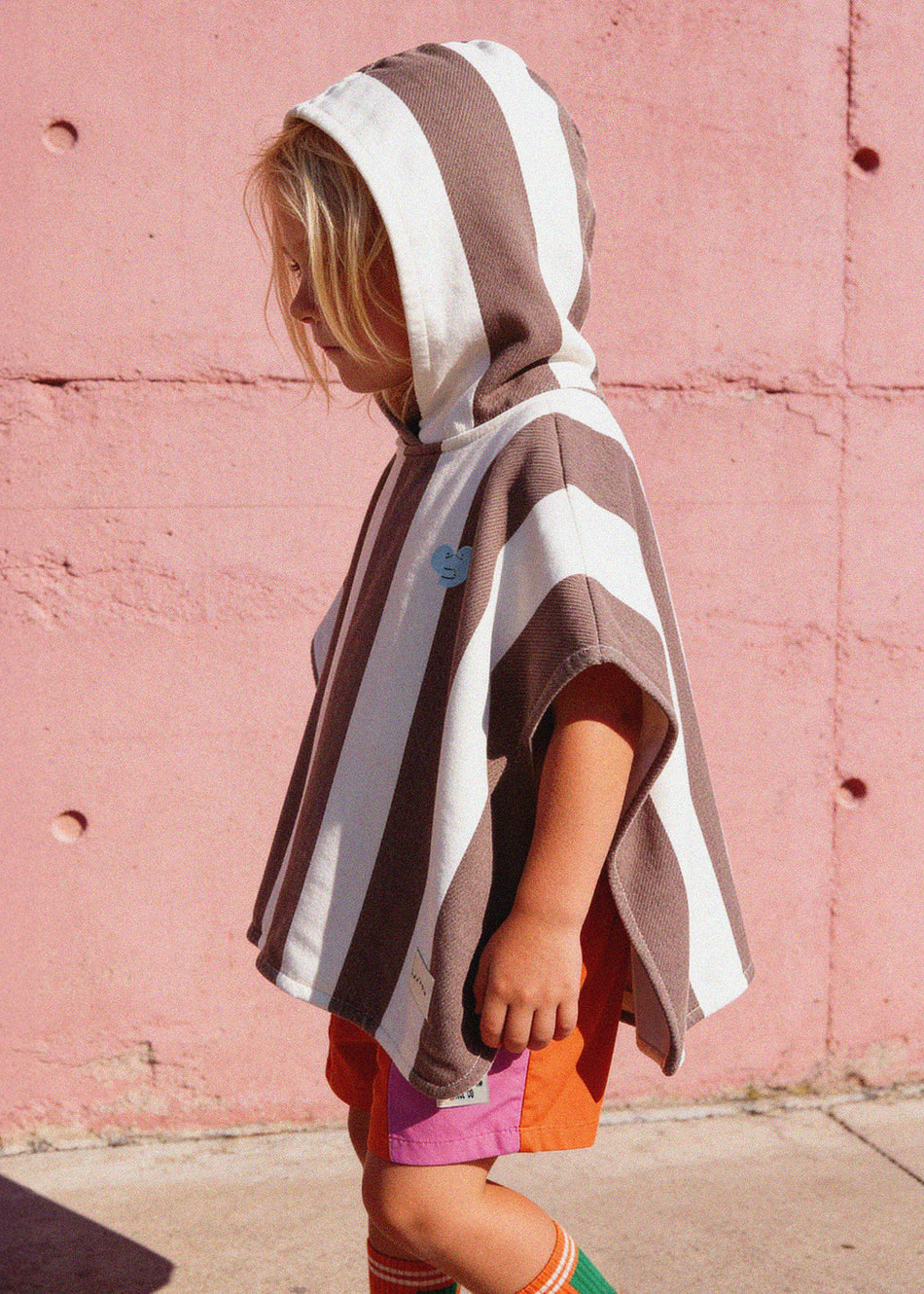
Bamboo, muslin, linen, and delicate cotton are light, airy, and easy to care for. This makes them suitable for various seasons and different areas of the home. If you need a more detailed explanation of how the material behaves, a text about what properties of bamboo fibers in children's accessories .
How to store your child's belongings so they are within reach?
Well-planned storage is not about hiding everything in closets, but about creating a logical access system.
Open containers and baskets
They make it easier to quickly put away and reach for textiles. They are especially useful in living areas.
Drawers and shelves assigned to functions
Assigning specific drawers to sleep, grooming, or walks helps reduce chaos and shortens preparation time.
How to reduce excess without sacrificing comfort?
Organizing a child's space isn't about minimalism at all costs. Rather, it's about making conscious decisions about what actually gets used.
Regular inspections
Every few weeks, it's a good idea to review which textiles and accessories you no longer need. This will help you avoid stockpiling items "just in case."
Rotate instead of storing everything at once
Seasonal textiles can be stored away from the main baby space and easily returned to when needed.

Aesthetics as an element of order
A consistent aesthetic helps maintain visual order, even when there are many items in the space.
Neutral colors
Subdued textile colors are easier to combine, making the space look more organized.
Simple forms and textures
Minimalist patterns and natural material structures create a peaceful atmosphere and do not visually dominate the interior.
Color accent
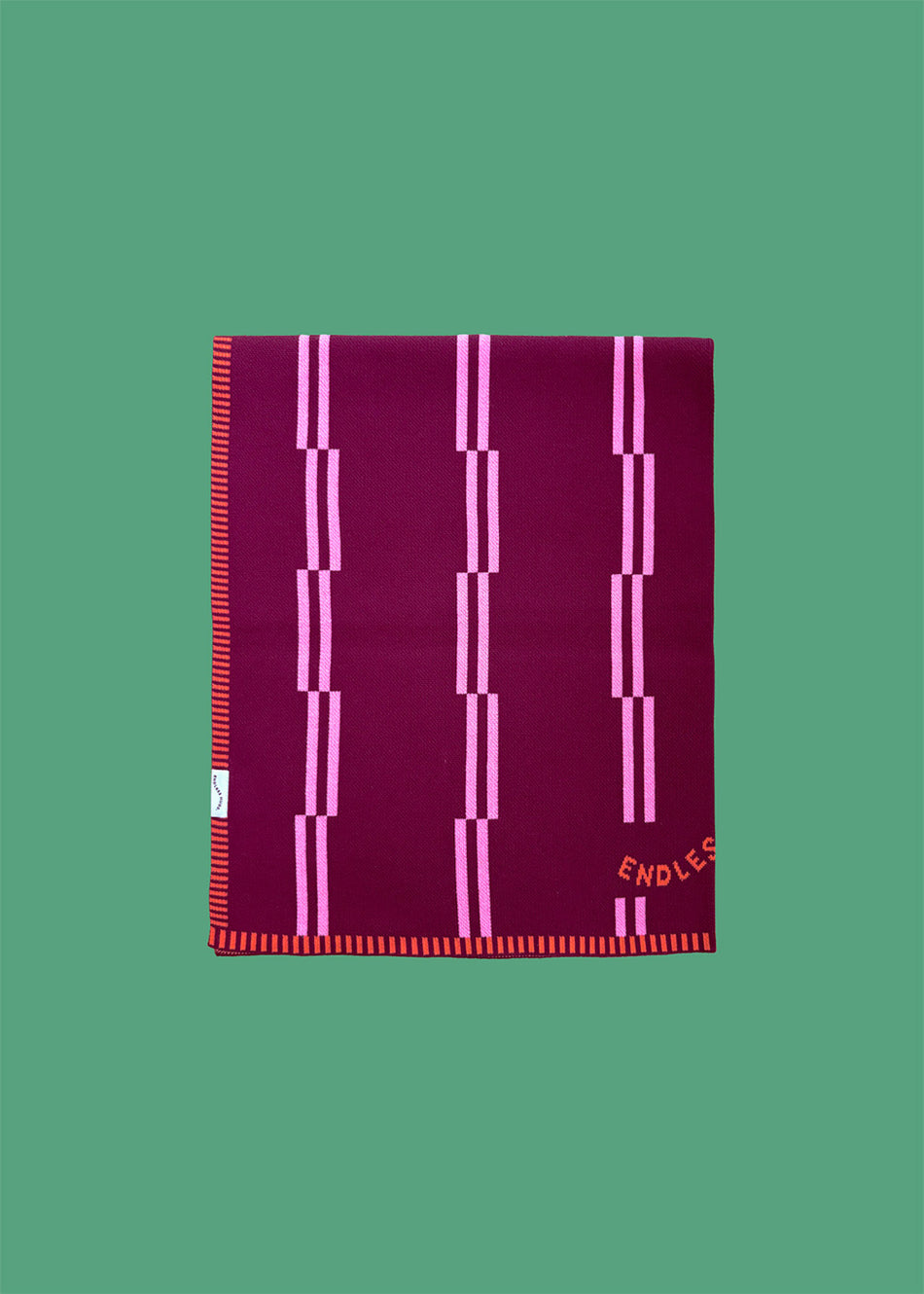
Opt for a bold color accent, for example, in decorative pillows, a blanket , or a night lamp. The space won't feel boring, and if you need a change, you can easily swap out existing items, avoiding a major renovation.
The most important rules for organizing a child's space
To make organizing effective and not require a revolution, it is worth remembering a few universal rules:
-
divide the space into clear functional zones,
-
choose textiles with several uses,
-
limit the number of items in a given zone,
-
regularly inspect and rotate equipment,
-
choose natural, easy-to-care-for materials.
Organizing your child's space doesn't have to mean major changes or constant home reorganization. A conscious approach based on flexibility and functionality allows you to create a peaceful environment that grows with your child. Natural textiles and thoughtful solutions, characteristic of the Endless Hugs philosophy , help create a space that remains organized and welcoming for a long time.