


Space for parents - how to organize a place for feeding and rest in the winter?
The winter months are conducive to creating cozy, calming spaces in the home. In everyday life with a baby, the parent's space is particularly important – a place for feeding, resting, connecting with the baby, and for brief moments of regeneration. This space should simultaneously support the adult's comfort and ensure closeness to the little one. A focus on ergonomics, natural materials, and soft textiles allows for the creation of an interior that promotes peace, even during the most challenging winter months.
Why is a separate area for parents so important?
Caring for a baby requires many repetitive tasks, such as feeding, cuddling, and putting them to sleep. Designating a space that promotes comfort and allows for a moment of respite helps maintain balance and build positive rituals. In winter, when we spend more time at home, the role of this space becomes even more crucial.
How to create a friendly and practical place for breastfeeding?
A feeding area should provide comfort, stability, and peace. It's worth considering elements that facilitate feeding at different times of the day and night, especially when winter weather encourages more indoor activity.
Ergonomics above all
When breastfeeding, it's important to have adequate support for the arms, back, and legs. The armchair, chair, or sofa should allow for comfortable body positioning without excessive muscle tension. Additionally, pillows and soft blankets are helpful, as they help parents stay comfortable during longer feeding sessions.
Textiles that support comfort
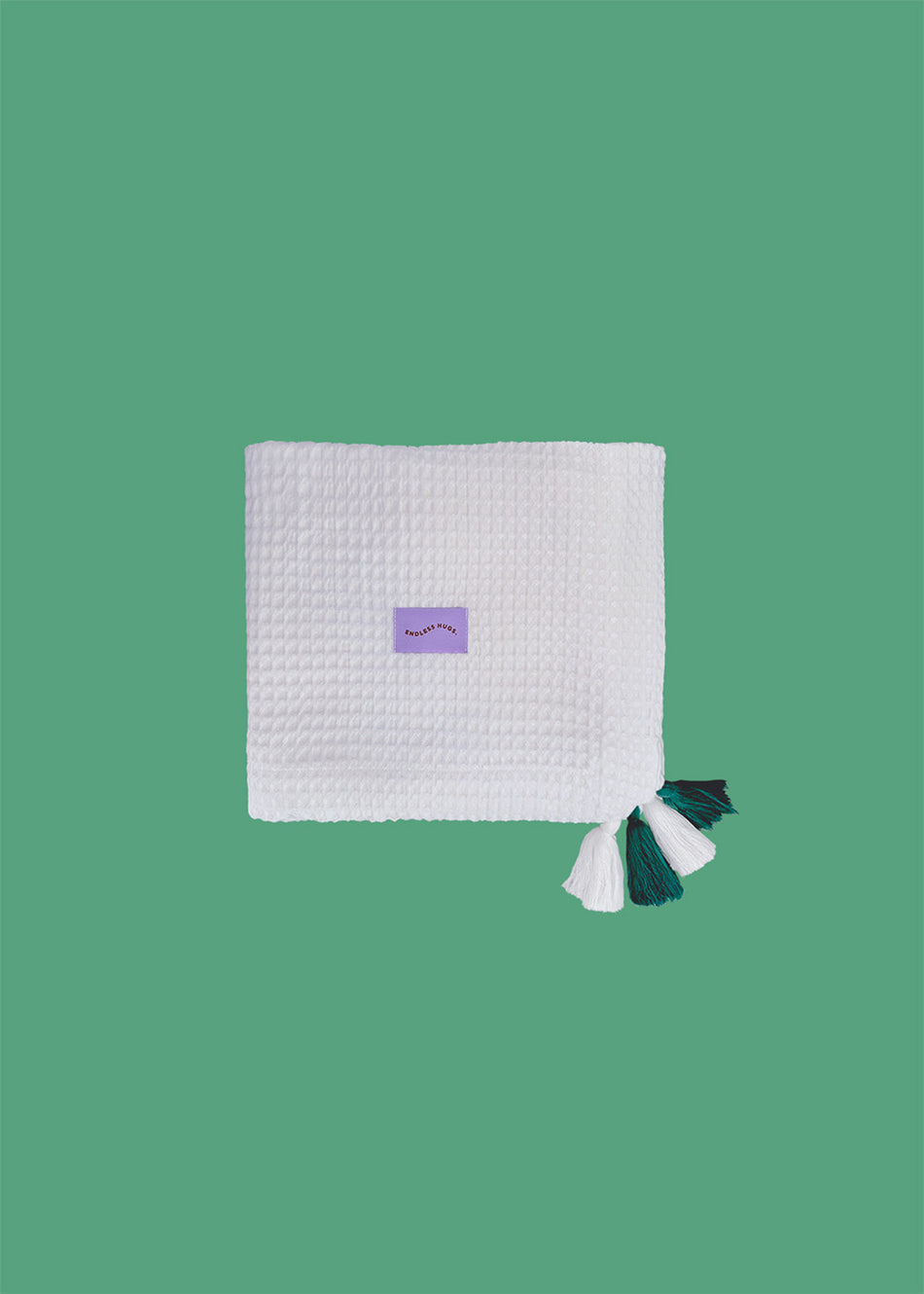
Natural fabrics like bamboo, cotton, and linen provide breathability and softness. They can be used as lightweight covers, underlays, or to create a cozy atmosphere. Blankets and swaddles in neutral colors promote calm and don't absorb too many stimuli, which is especially important during nighttime feedings.
Rest area - why do parents need one too?
Caring for a newborn requires energy, and regeneration is just as important as caring for your little one. Designating a space that promotes rest and provides moments of peace helps maintain emotional balance.
Cozy and peaceful atmosphere
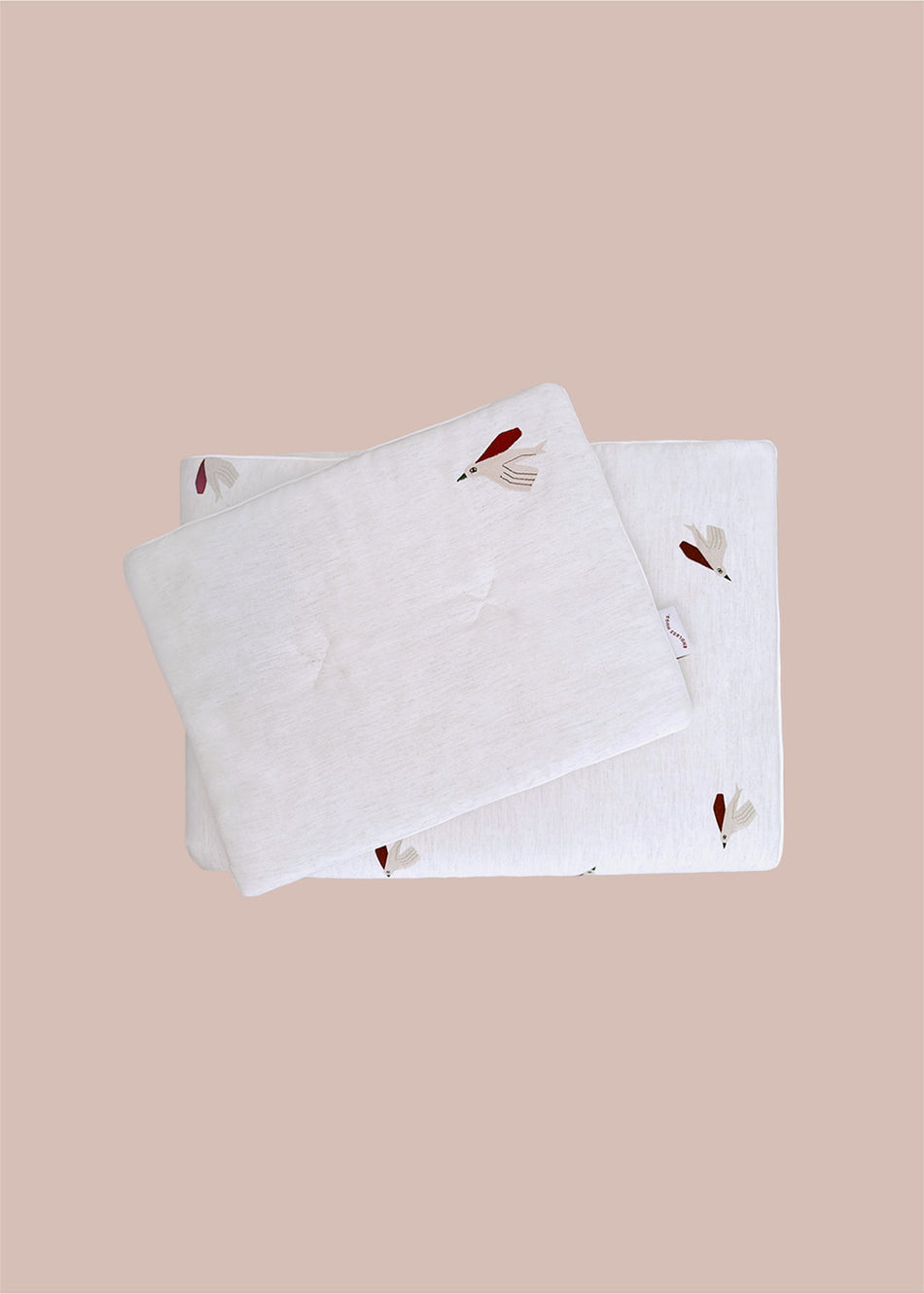
Natural, soft materials are particularly effective in winter, lending a cozy feel to the space. A limited number of accessories, light colors, and a harmonious layout promote relaxation. Bedding , a blanket, or a light throw can create a micro-space where parents can relax after a busy day.
Lighting that promotes relaxation
Light plays a key role in winter. Subtle lamps, warm-colored bulbs, and natural-colored materials help create an atmosphere of peace. When choosing a place to relax, it's worth choosing lighting that doesn't glare and gradually soothes the senses.

How to connect the parent zone to the child zone?
Child proximity and parent comfort don't have to be mutually exclusive. Combining these two functions allows you to create a space that's both practical and aesthetically pleasing. The right choice of textiles and furniture layout can support both needs.
A common place to relax
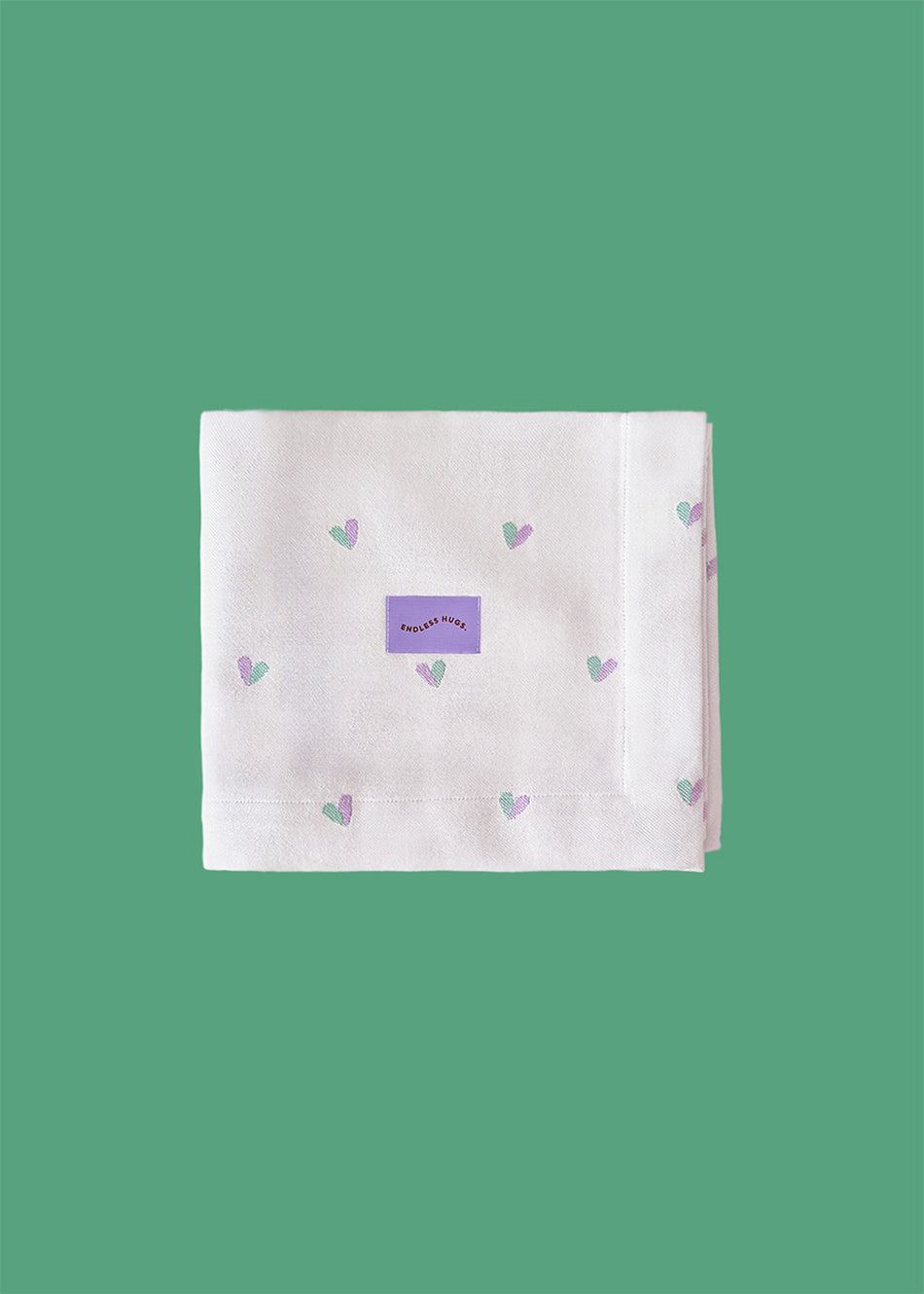
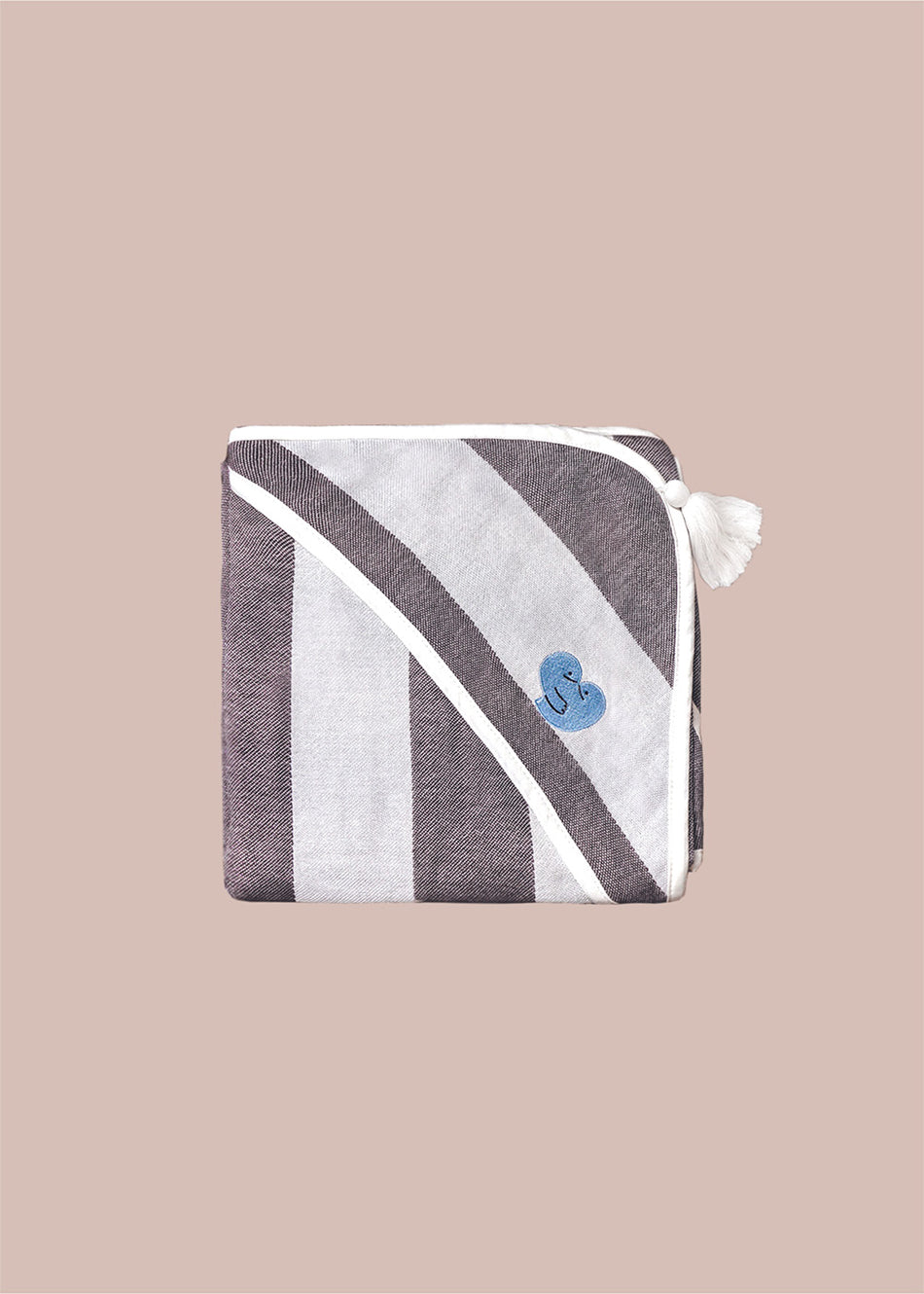
A blanket, a lightweight swaddle, or a muslin wrap can serve both parent and child – during feeding, napping, cuddling, or quiet time in each other's arms. Their neutral colors and natural fibers create harmony while being safe for baby's skin.
Furniture arrangement that promotes closeness
It's best to place a comfortable armchair or chair in a spot that allows you to feed and observe your baby in peace. It's a good idea to keep frequently used accessories nearby, such as a blanket, muslin cloth, or small care items. This will help your daily routine run more smoothly.
Winter needs of a parent - how to ensure warmth and comfort?
In winter, the body cools down more quickly, and thermal comfort directly impacts well-being. A place for feeding and resting should promote warmth without the risk of overheating.
Soft layers for parent and baby
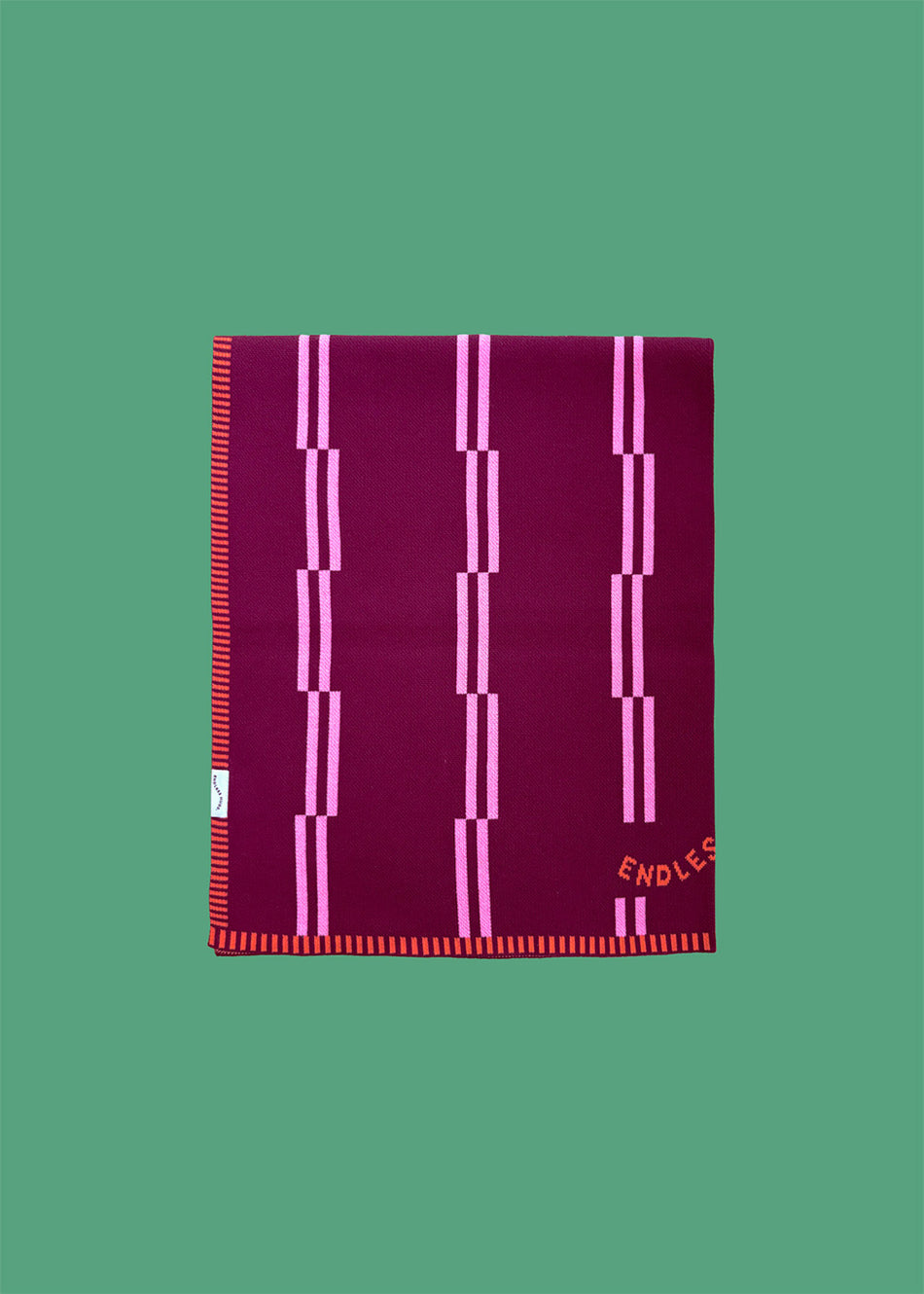
A blanket or throw made of natural materials can provide gentle, consistent warmth during feeding. This doesn't require bulky clothing – the lightness of bamboo, linen, or cotton makes the warmth subtle yet comfortable.
Warmth without weight
Natural fibers regulate temperature well, making them ideal for frequent position changes or nighttime feedings. They help maintain comfort without overheating.

Accessory Organization - Small Items, Big Change
When a feeding and rest area is well-organized, everyday activities become easier. Thoughtful organization allows for a quick response to the baby's needs while simultaneously ensuring parental comfort.
The most important elements at hand
It's a good idea to place a basket, shelf, or organizer near an armchair or sofa with a few items you'll need most often: a light blanket, a muslin cloth, a towel, a bottle of water for the parent, or a soft scarf to cover them up. This will make feeding and care go smoothly.
Minimalism that promotes peace
A parent's space shouldn't be overloaded with items. The fewer items, the easier it is to maintain order. A minimalist layout promotes harmony and facilitates relaxation, especially on quiet winter evenings.
Combining comfort, ergonomics and aesthetics - the most important tips
Creating a welcoming space for parents and children doesn't require major changes. The key is a combination of functional solutions and natural materials.
-
ergonomic positioning of the armchair or chair,
-
natural textiles that promote comfort and thermoregulation,
-
calm colors and delicate lighting,
-
intuitive organization of the most important accessories,
-
the minimalist nature of the space promotes tranquility.
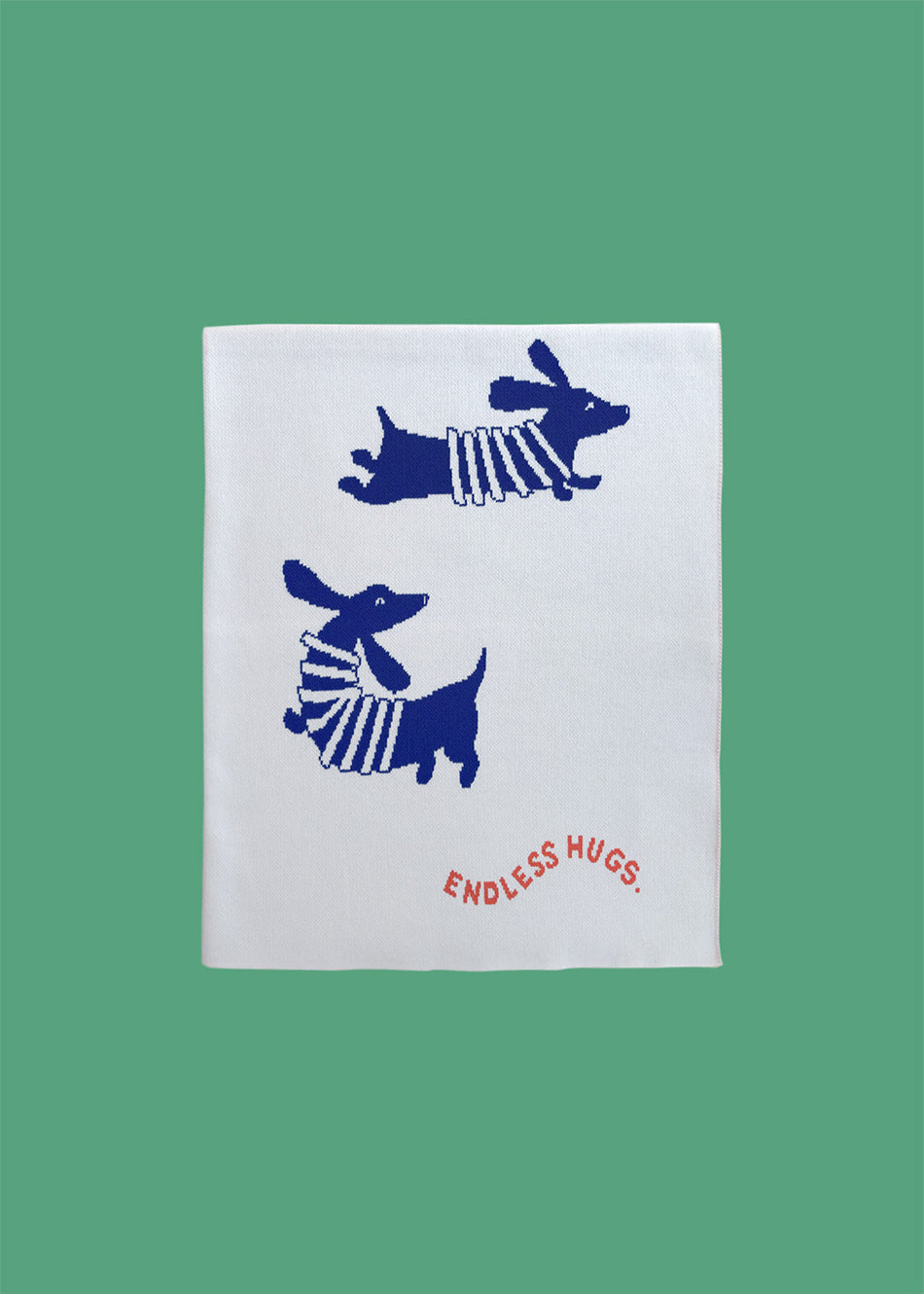
A well-thought-out feeding and resting area can make everyday care much easier, especially in winter when we spend more time at home. The natural, soft textiles used in Endless Hugs products help create a calm, comfortable space where both baby and parent can feel at ease.