

New textiles in the new year - when should you replace your swaddles, bedding and blankets?
The beginning of the year is a good time to assess which products your baby uses daily need refreshing. Textiles come into direct contact with your baby's skin, impacting thermal comfort and daily rituals. Natural materials like bamboo, cotton, and linen retain their properties for a long time, but they, too, wear out over time. It's worth knowing when swaddles, bedding, and blankets are still functional and when it's best to replace them.
Why is regular assessment of the condition of textiles so important?
Children's textiles are subject to intense use – daily washing, contact with delicate skin, and changing environmental conditions affect their durability. Regular inspection helps ensure the hygiene, safety, and comfort of your little one. Replacement doesn't have to mean overstocking – it's about maintaining the quality of these crucial elements of the layette.
How can you tell if your swaddle needs replacing?
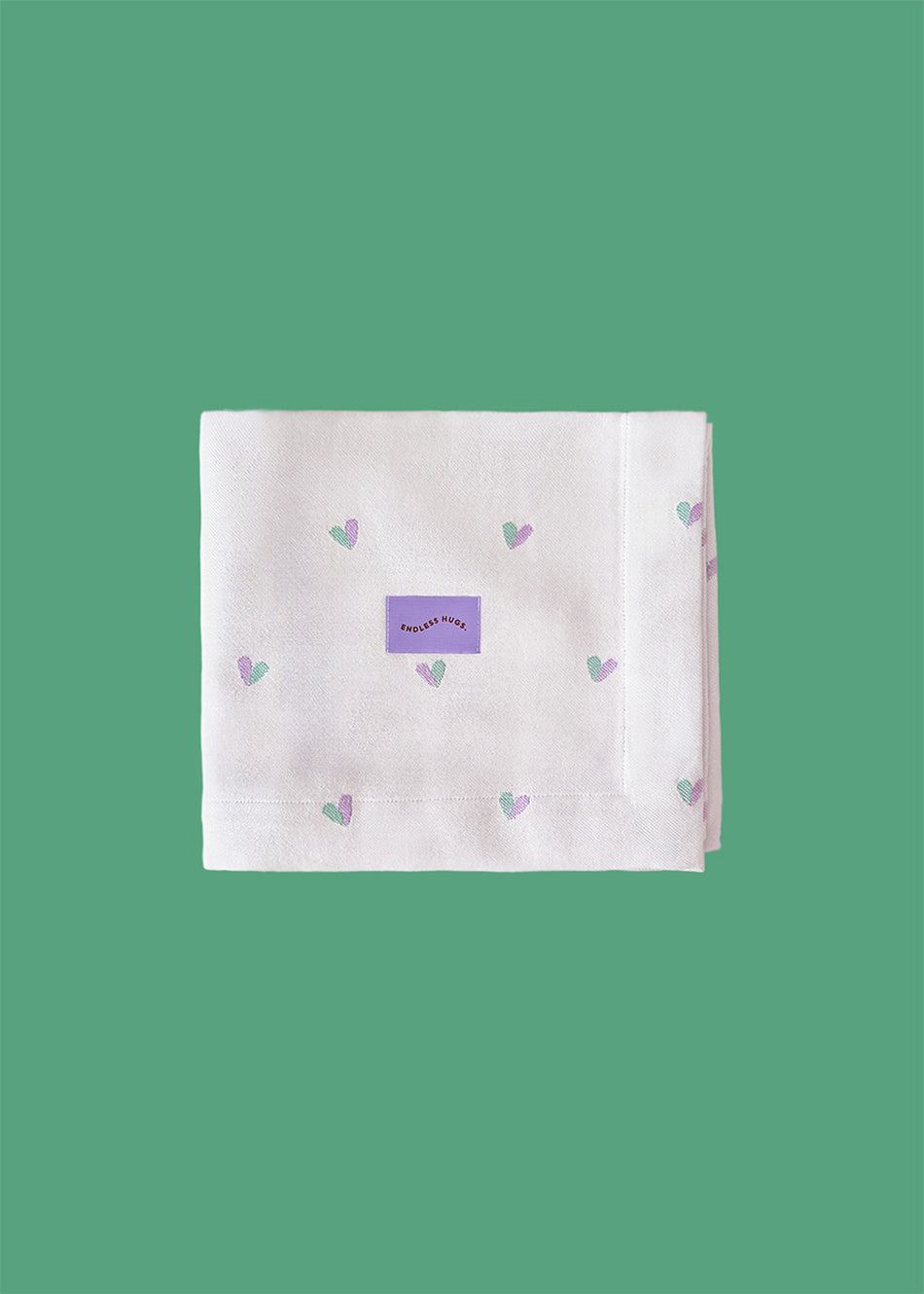
Swaddles are one of the most commonly used textiles in the first months of life. They are useful for naps, feedings, walks, and as an additional layer of protection. However, over time, natural fibers can lose their properties.
The most common signs of swaddle wear
A bamboo , linen or cotton swaddle wears out gradually, so it's worth paying attention to a few simple signs.
-
loss of softness or roughness of the material,
-
stretched fibers that are harder to hold their shape,
-
permanent creases that cannot be reduced by washing,
-
weakened edges or threads coming out at the edges.
If any of these elements affect your baby's comfort, the beginning of the year may be a good time to refresh your swaddle.

When to change baby bedding?
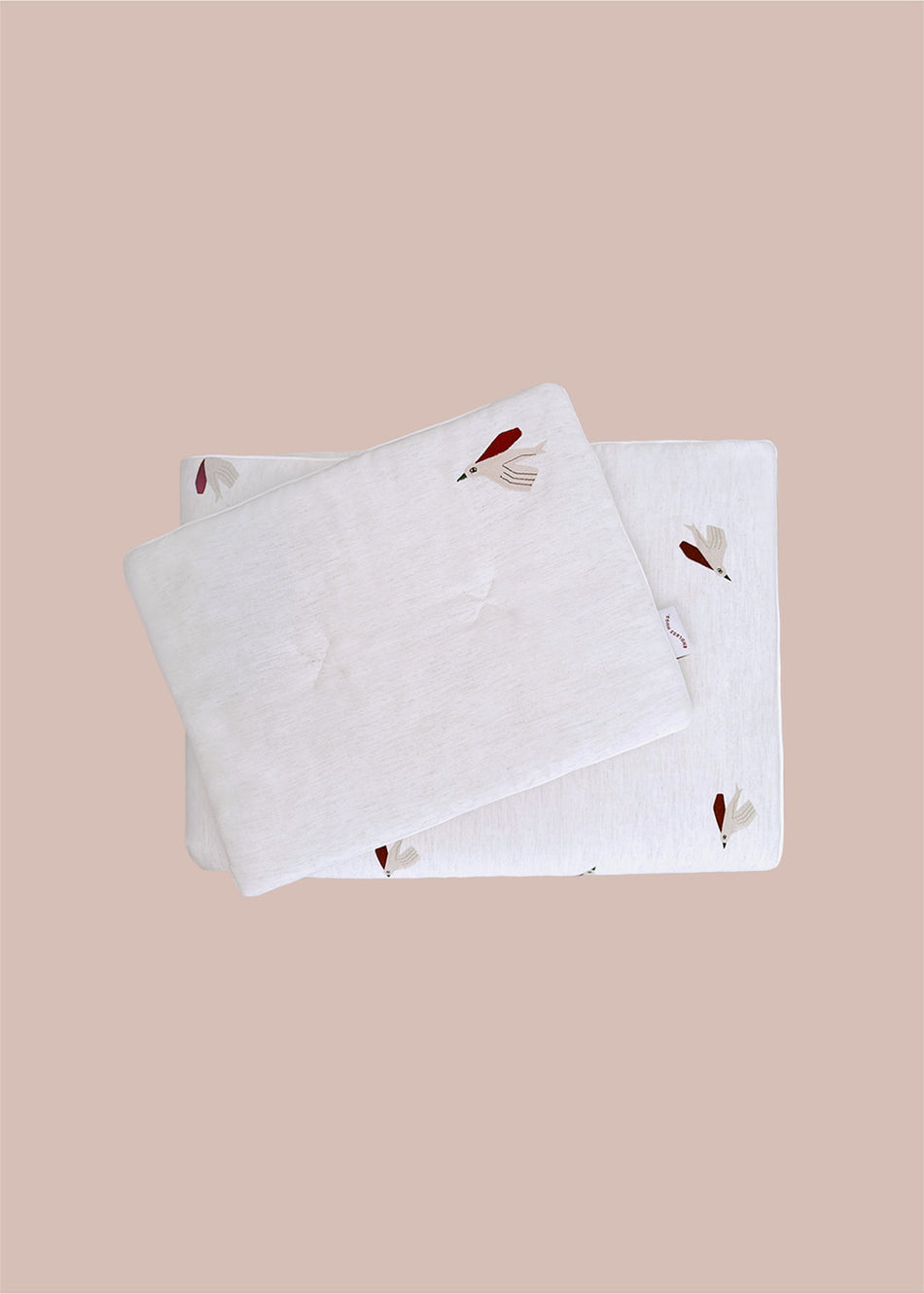
Linen When used daily, it should be breathable and soft. Carefully selected natural materials support thermoregulation and help your child wind down before bed. Over time, even carefully cared for bedding may require replacement.
Signs that your bedding is no longer doing its job
Bedding made of natural fibers remains soft for a long time, but some changes indicate wear and tear.
-
noticeable pilling or rough parts of the material,
-
loss of original structure and airiness,
-
color change despite washing with delicate detergents,
-
weakening of the fibers in places where the material works most often.
Changing bedding doesn't have to be frequent - just adjust it to the season and make sure the material is still comfortable and safe for your little one's skin.
Blankets - how to assess their durability and functionality?
A blanket serves many purposes: it cuddles during naps, keeps your baby warm in the stroller, and serves as a soft layer during playtime. Its elasticity and softness are important for daily care, so it's worth checking regularly to ensure it's still providing adequate comfort.
What is worth monitoring in blankets?
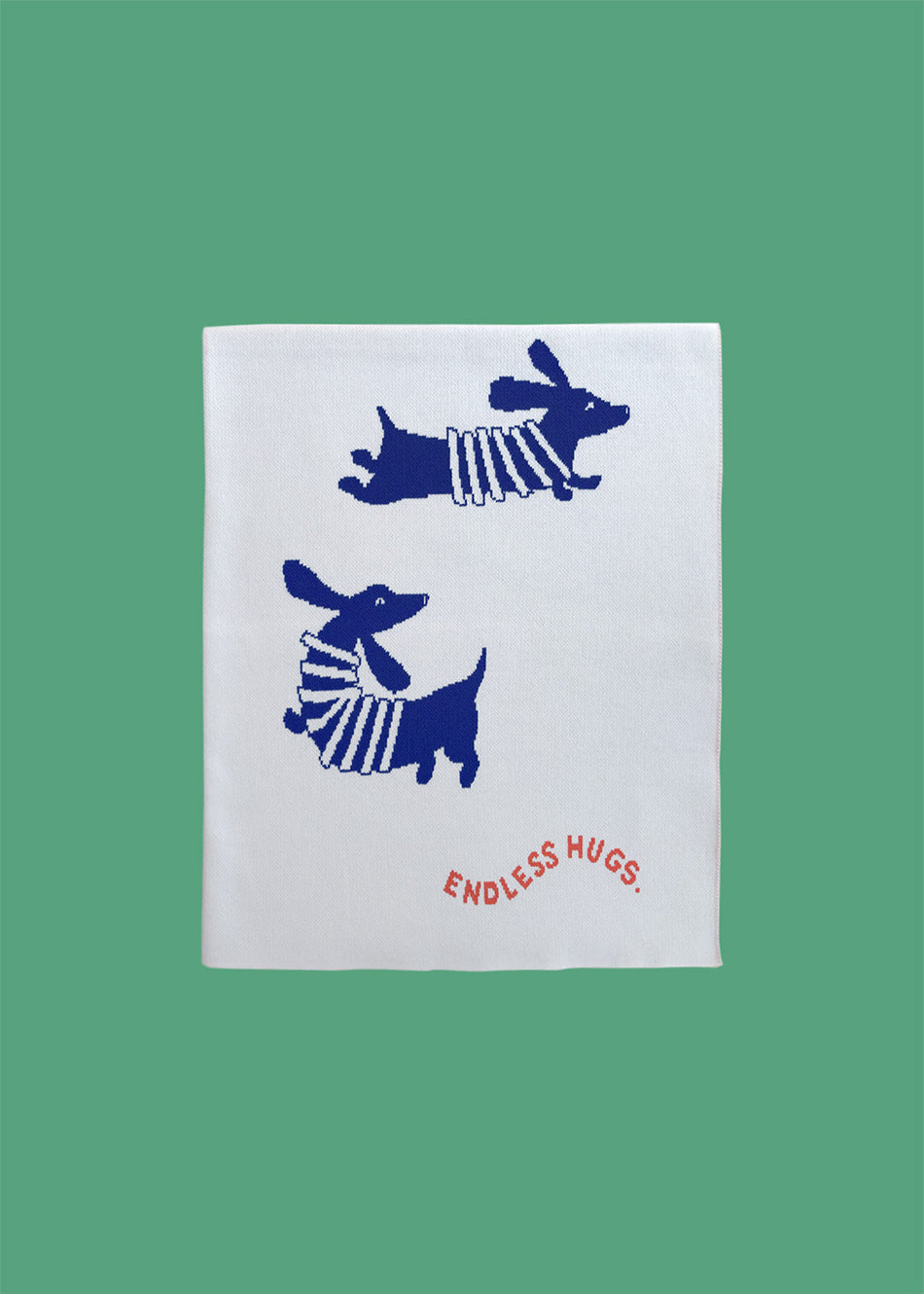
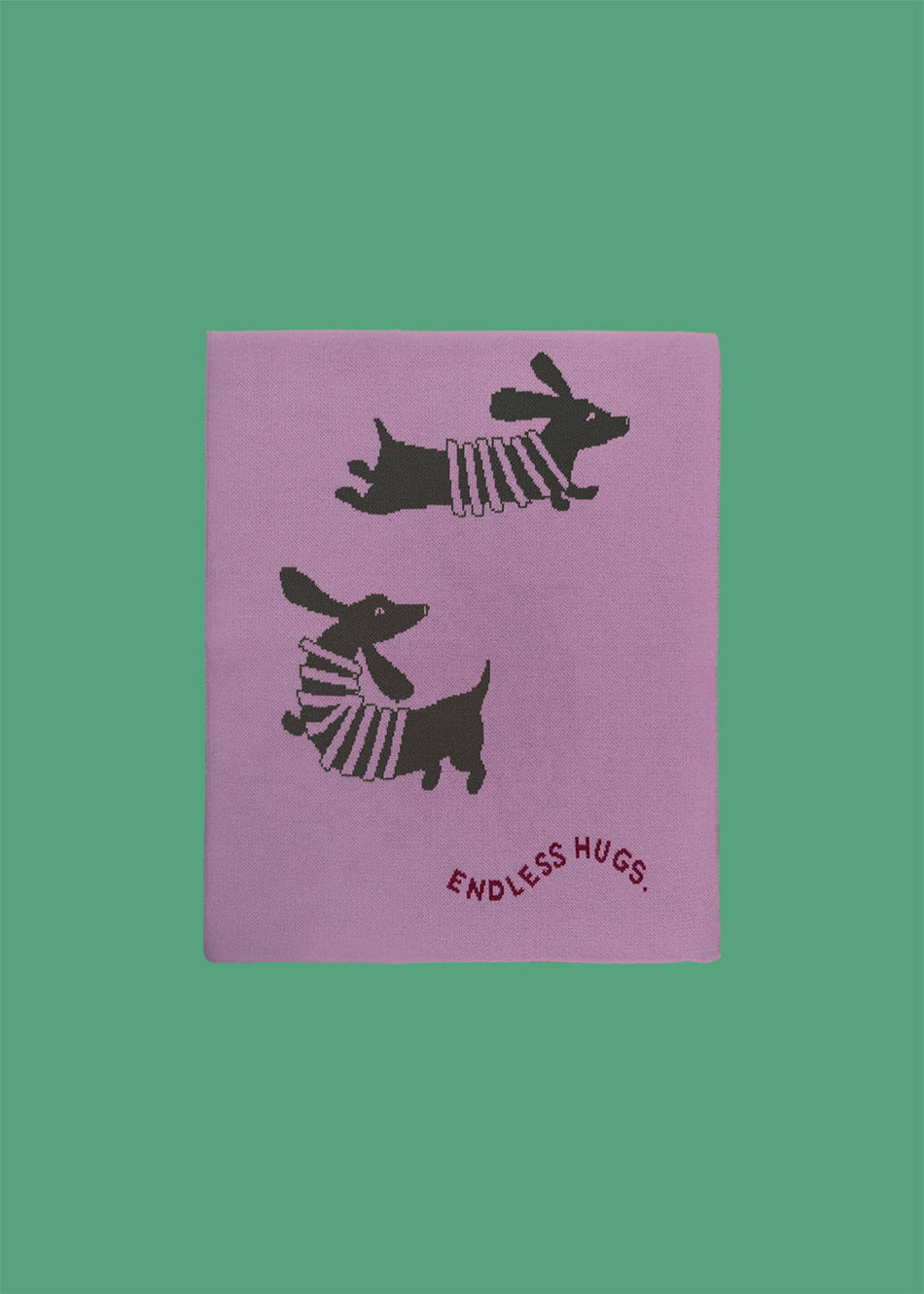
Blankets made of natural fibers They retain their properties for a long time, even when subjected to intense use. Here are the most important elements worth regularly assessing:
-
whether the material remained soft and delicate,
-
whether the blanket still allows air to pass through properly,
-
whether the structure has not been stretched,
-
whether the fibers are not weakened at the edges.
In the case of blankets used daily, rotating or replacing them from time to time helps maintain a high level of comfort for sleep and naps.
When should you replace textiles for hygiene reasons?
In addition to mechanical wear and tear, hygiene is also important. Textiles come into constant contact with baby's delicate skin and require frequent washing. Even with careful care, fibers can gradually lose their original freshness.
Situations in which it is worth reaching for new textiles
There are a few times when replacement is particularly advisable.
-
after an intense period of illness, when textiles were washed very often,
-
after a change of season, when a different thickness of material is needed,
-
when you notice a smell that does not disappear after washing,
-
when the fibers become significantly less absorbent or less airy.
The new year is a natural time to sort out these issues and provide a fresh start for both child and parents.

How to care for new textiles to make them last longer?
Proper care has a huge impact on the durability of textiles. Natural fabrics require gentle cleaning agents and airy drying to maintain their properties.
Practical rules of care
To keep textiles made of natural materials soft and airy for a long time, it is worth following a few simple rules.
-
wash at low temperatures to avoid damaging the fibers,
-
avoid intensive detergents and bleaches,
-
dry naturally, without excessive heat,
-
air textiles regularly, especially in winter.
With a little care, swaddles, bedding and blankets will last longer.
How to match textiles to a child's current needs?
Because children grow rapidly, textiles should be appropriate not only for the season but also for their developmental stage. A new year often brings changes in daily rhythm, activity levels, and sleep patterns.
Changes resulting from the toddler's development
As your baby becomes more active, they may need different materials, such as lighter swaddles or larger blankets. In the first few months of life, soft, lightweight, and airy fabrics are more suitable, creating a sense of security.
Selecting textiles for the season
In winter, children need materials that provide warmth without the risk of overheating. Bamboo, cotton, and linen are effective at supporting thermoregulation. In spring and summer, breathability and absorbency are more important.
The most important signals that it's time for new textiles
The new year can be a good time to assess the condition of your textiles and decide which ones need replacing. Just pay attention to a few key factors.
-
loss of softness or airiness,
-
stretched or weakened fibers,
-
color change or permanent pilling,
-
greater need for hygiene after an intense period of illness or travel,
-
adapting textiles to the current stage of the child's development.
Regularly replacing textiles helps maintain a fresh, soft, and airy environment in your child's daily life. The natural fabrics used in Endless Hugs products support the creation of a calm, comfortable microenvironment that accompanies your little one throughout their various stages of development.