

Minimalism in baby layette - a list of things that will really come in handy
Preparing a layette for a baby is one of the first steps in planning everyday life with a new family member. With the sheer number of products available, it's easy to feel like you'll need everything. A minimalist approach helps you focus on what truly supports your child's comfort and safety, while avoiding an overabundance of items that have no practical use. Natural textiles, simple solutions, and functionality become the foundation of a well-rounded layette.
Why is it worth focusing on minimalism in your layette?
Minimalism doesn't mean sacrificing essentials. It's an approach based on consciously choosing products that have real value in everyday childcare. Parents who prioritize simplicity and quality gain better organization, fewer purchases, and greater comfort in their little one's first weeks of life.
Baby clothes - how much do you really need?
Baby clothes are often bought in bulk, leading to a surplus of clothes that children quickly outgrow. Minimalism encourages choosing simple, comfortable, and natural materials that are suitable for any season.
A basic set of clothes for the first weeks
A few items made of soft cotton or bamboo are a good starting point. These materials conform well to the skin, support thermoregulation, and provide comfort during sleep and activity.
How to choose clothes to avoid excess?
Functionality is paramount. Solid colors, simple styles, and natural fibers make it easy to create outfits without having to buy multiple styles. This makes your wardrobe practical and easy to keep organized.
Textiles and accessories - the foundation of a minimalist layette
Textiles are among the most frequently used elements of a layette, so their quality and functionality are crucial. Natural materials like bamboo, cotton, or linen allow a single product to serve multiple purposes, which perfectly fits the minimalist approach.
Swaddles, blankets and bedding
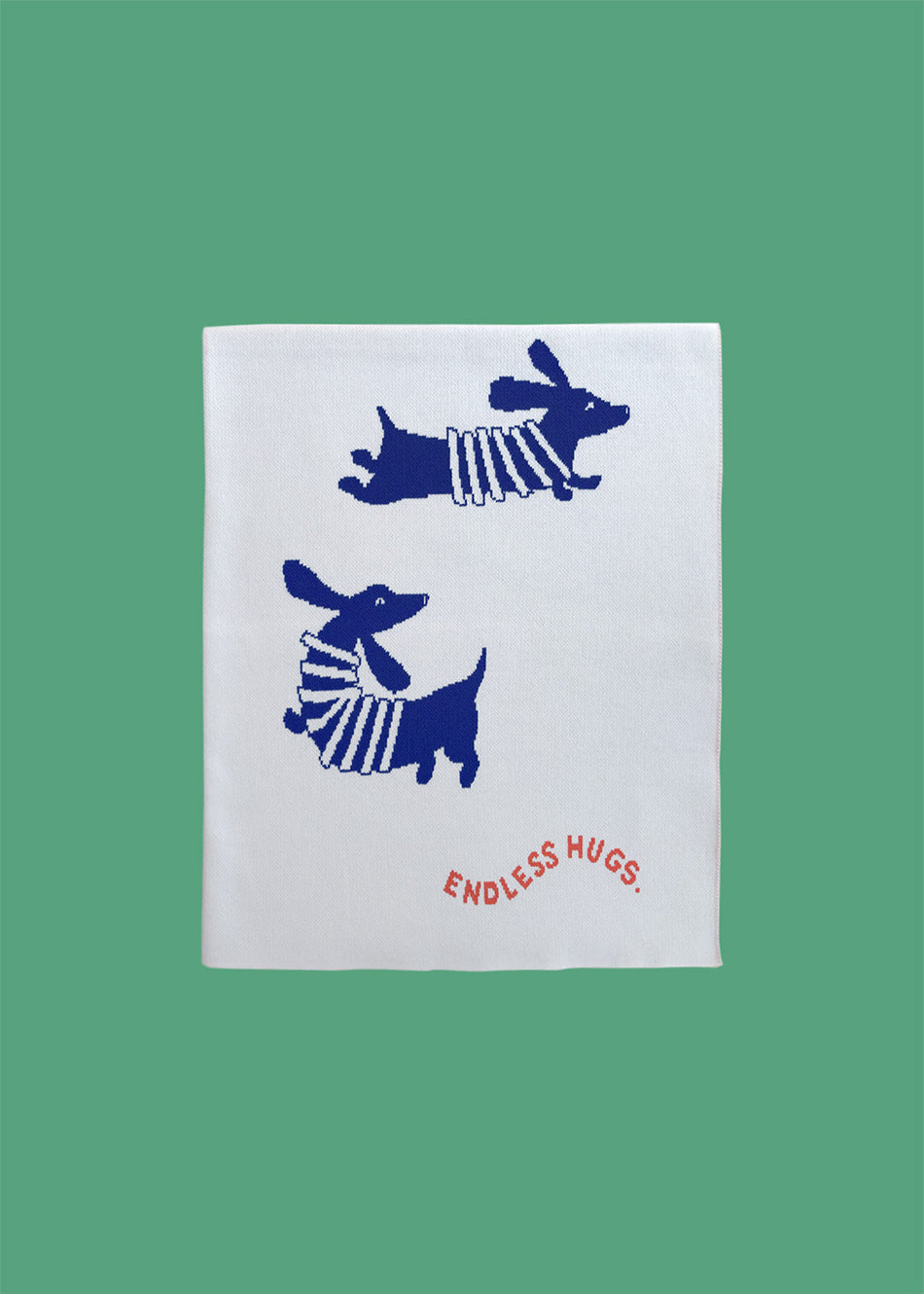
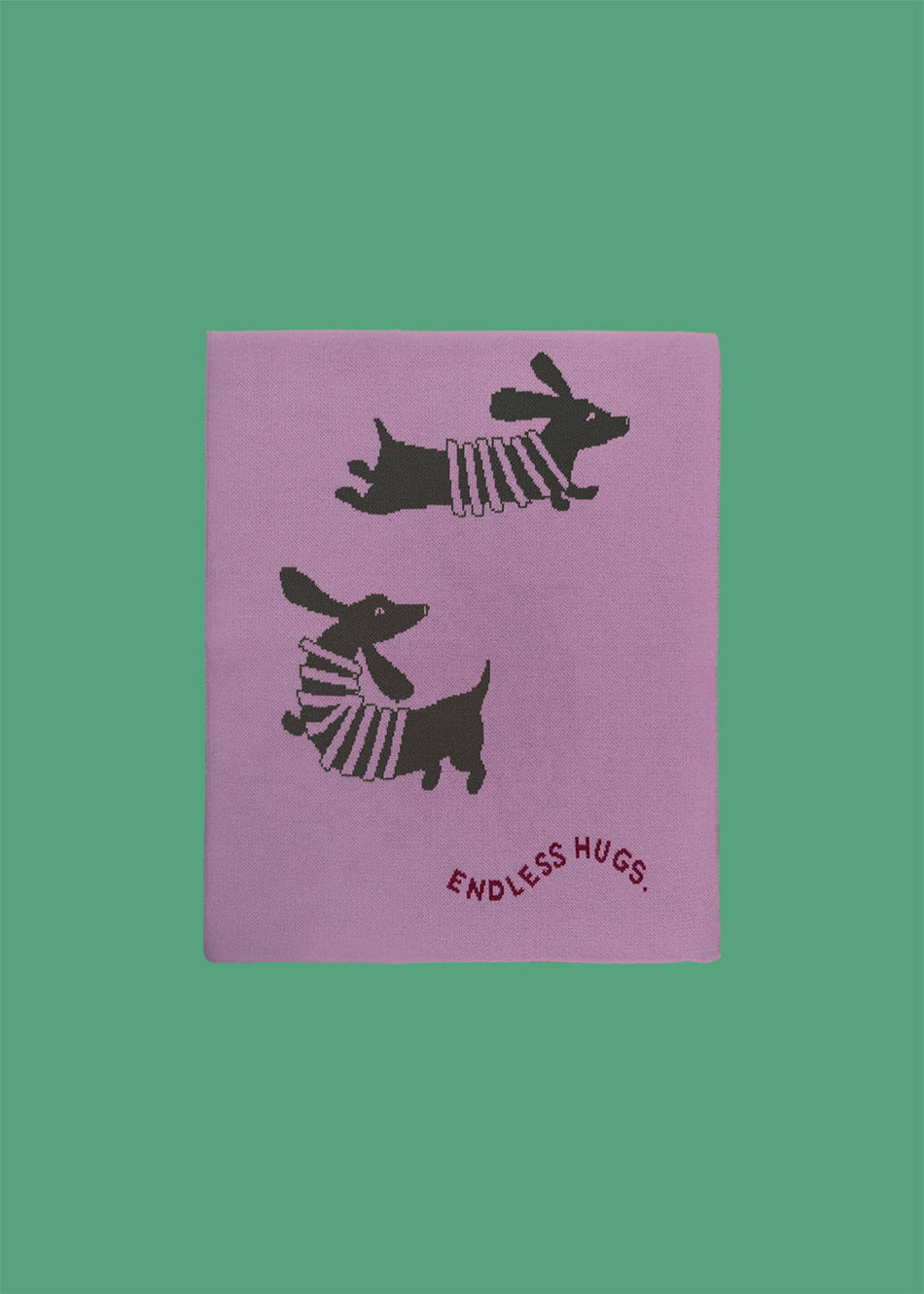
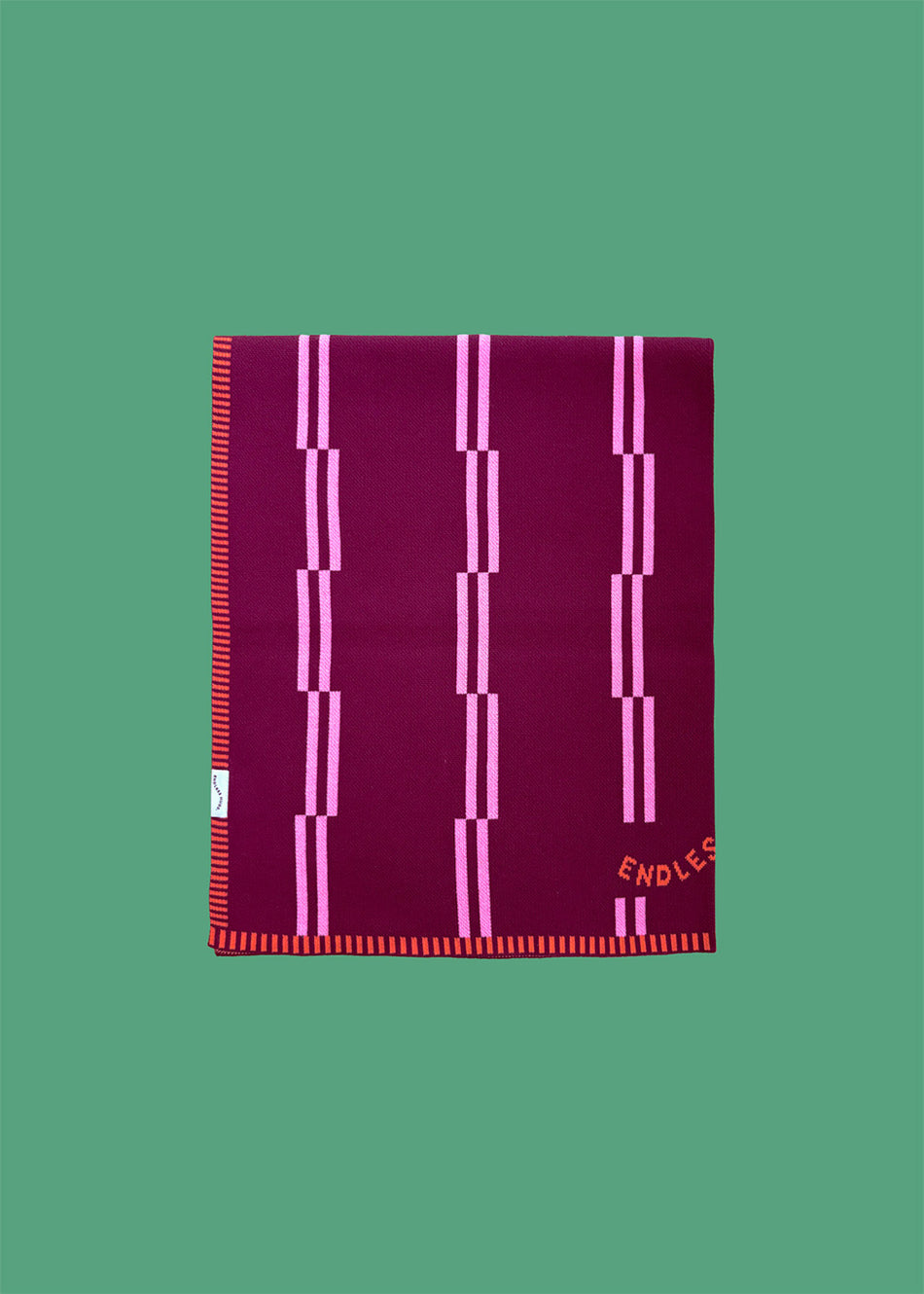
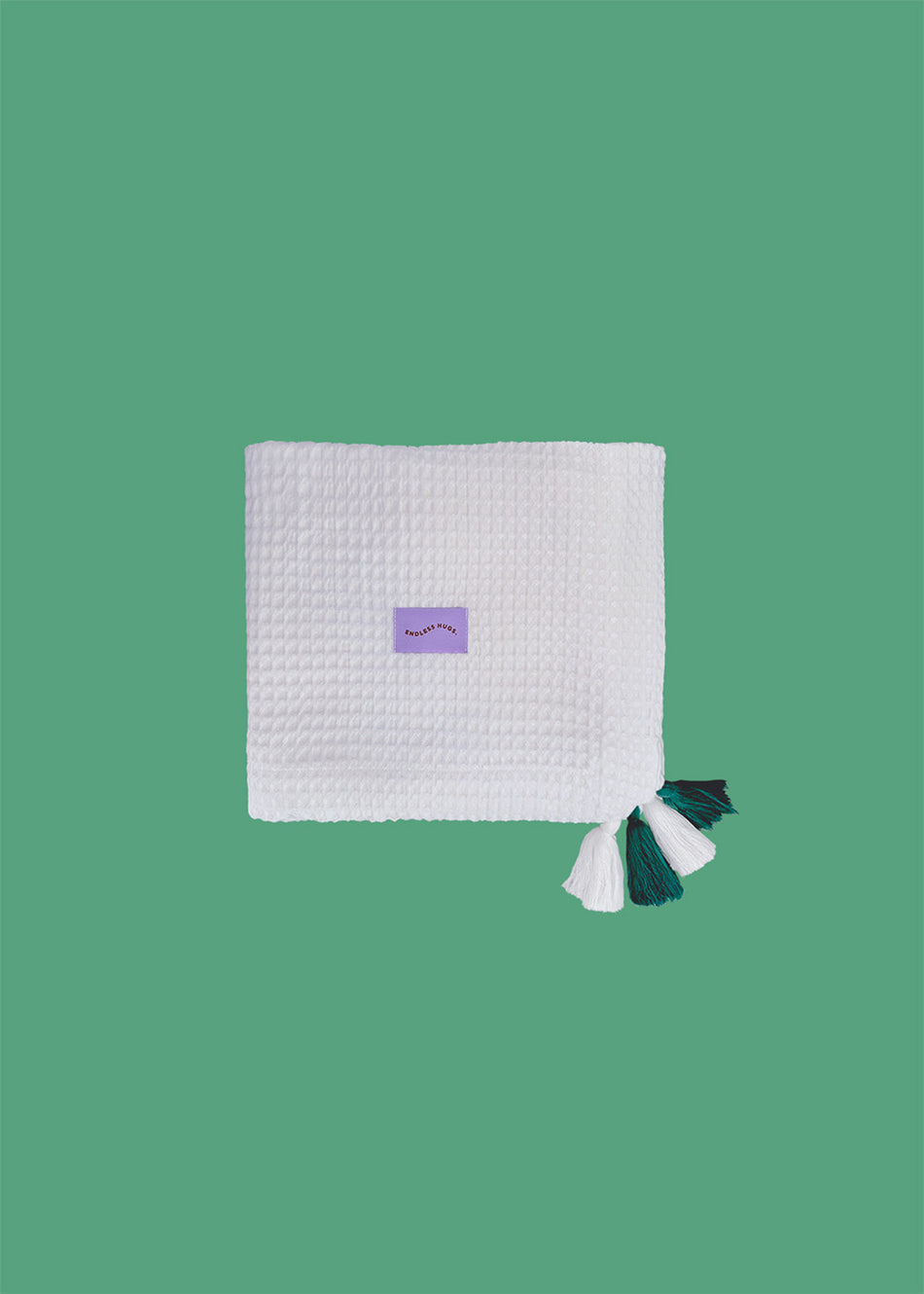
Swaddles and blankets made from natural fabrics are lightweight, airy, and versatile, making them perfect for many everyday situations. They can be used as a cover, mattress protector, or as a shield during breastfeeding.
Towels and bath accessories
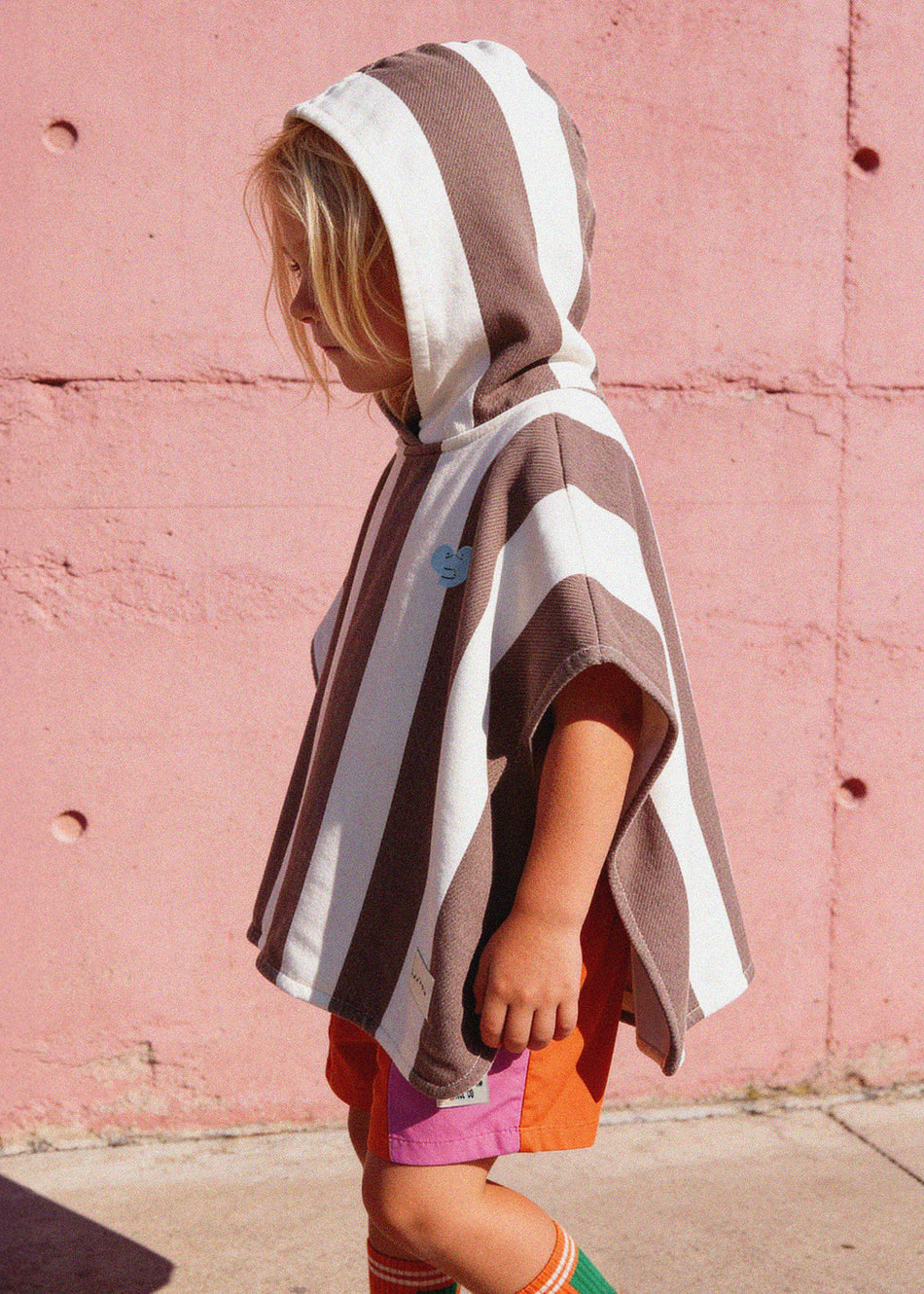
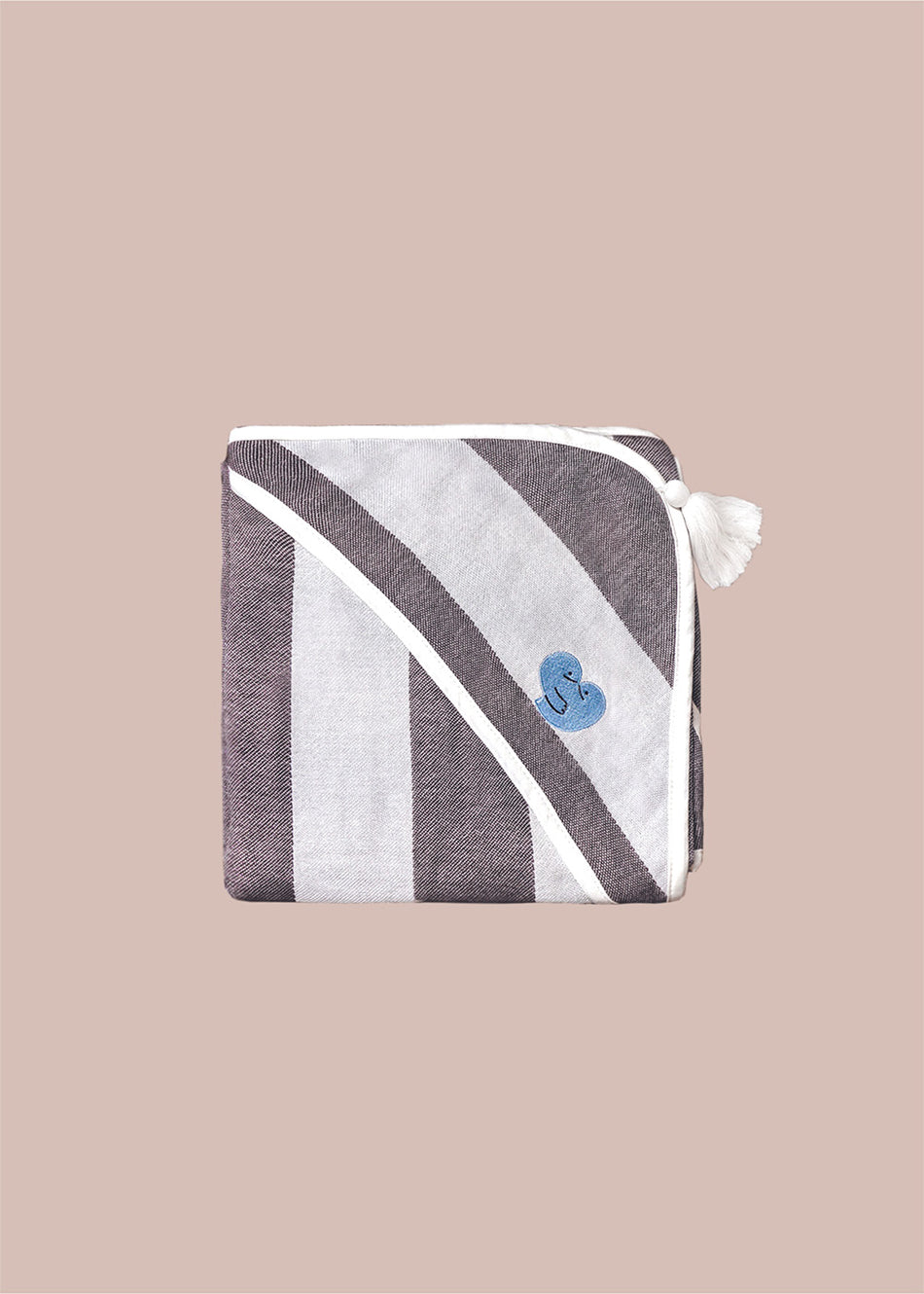
When assembling bath accessories, simplicity is key. A few items made from delicate fibers are perfectly adequate for daily care.

Diaper changing and care - what is really necessary
When it comes to changing, it's easy to accumulate many items that eventually become unnecessary. Minimalism is based on practical solutions and multifunctional textiles.
A Practical Approach to Diaper Changing
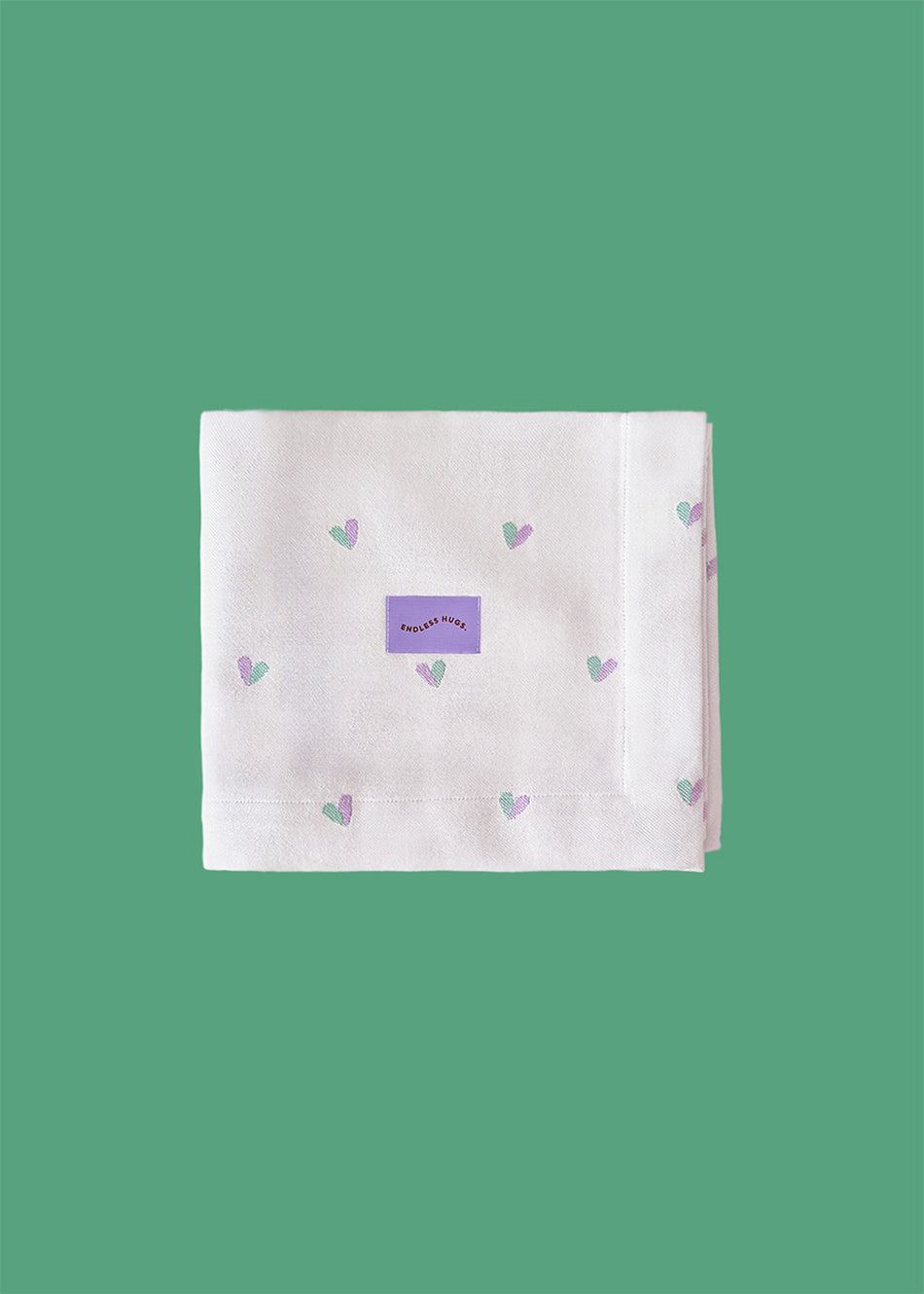
Universal muslin diapers and bamboo are perfect as changing pads, additional protective layers, or everyday wipes. Their absorbency and durability make them a great alternative to many disposable products.
Baby skin care
There's no room for excess cosmetics in a minimalist layette. Gentle products with simple ingredients are perfectly adequate for daily skin care. Soft towels and natural fabrics facilitate care without the need for additional accessories.

Feeding - solutions that do not multiply items
Regardless of the feeding method, the most important thing is accessories that last a long time, are easy to maintain, and don't take up much space. A minimalist approach simplifies space organization during feeding and reduces the number of unnecessary items.
Functional feeding accessories
Natural, soft fabrics are perfect for burping, feeding on the go, or quick cleanup. A single product can serve multiple functions, which is consistent with the principles of minimalism.
Sleep and rest - minimalism in practice
In the sleep area, we often buy too many elements that don't contribute to the child's comfort. The most important things are conditions that promote peaceful rest and breathable, soft fabrics that support the skin.
What really contributes to comfortable sleep?
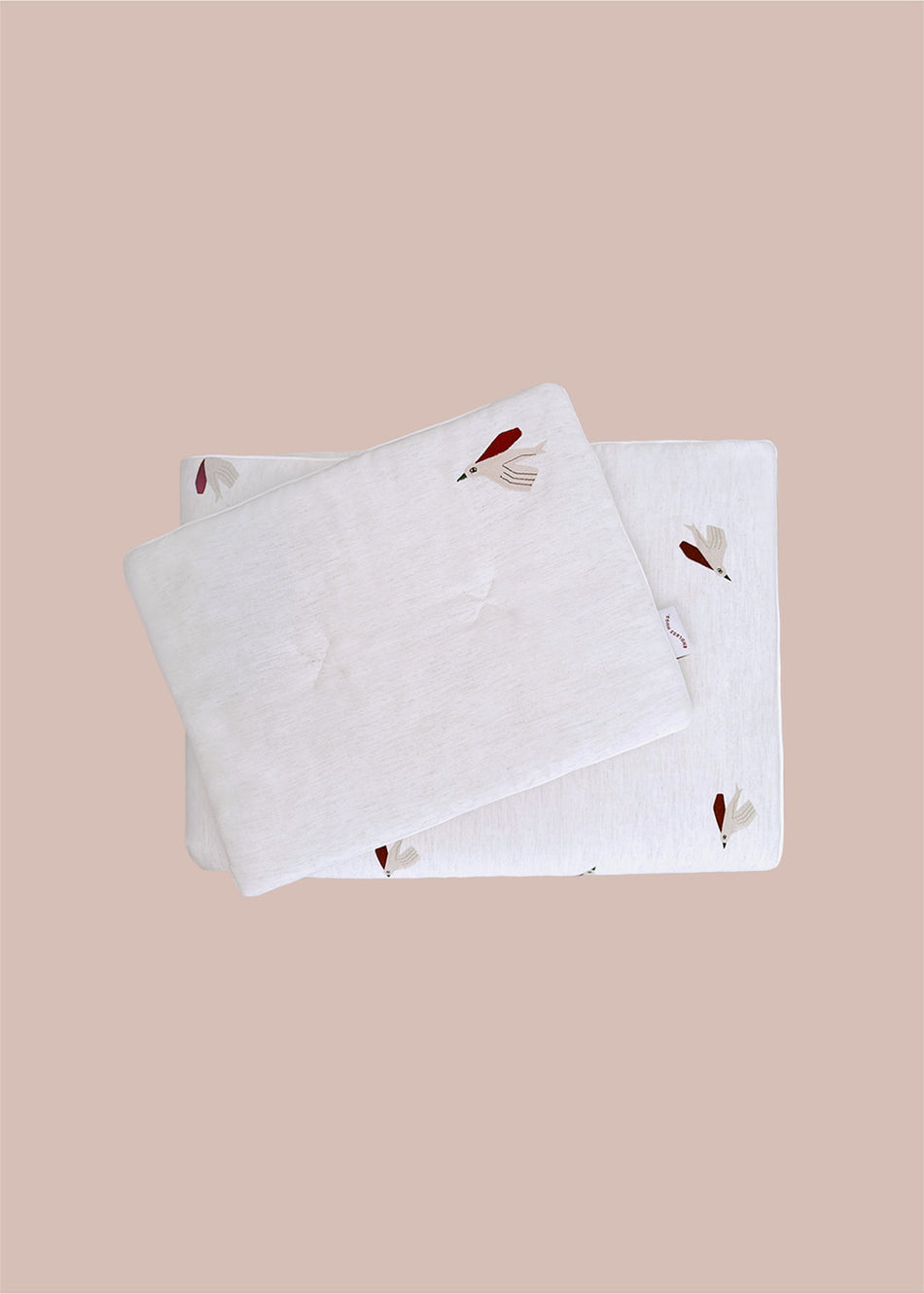
Simple solutions bring the best results. Airy bedding, lightweight swaddles, and soft blankets help maintain the right temperature and support a daily sleep routine. A few well-chosen textiles are enough to ensure your child's comfort at home and on trips.
How to avoid excess - practical tips
Conscious choices help create a functional and organized layette. Instead of accumulating a multitude of products, it's worth focusing on those that are durable, skin-friendly, and actually used every day.
Practical rules to help you choose
Choosing a layette can be simple if you follow a few proven rules:
-
choose natural materials that support skin comfort,
-
choose multifunctional products that replace several others,
-
avoid buying in advance before knowing your child's needs,
-
focus on quality, not quantity,
-
choose textiles that are easy to wash and dry quickly.
The most important conclusions from the minimalist approach
Minimalism in the layette helps declutter the space and focus on what supports the daily care of your baby. Careful choices make it easier to maintain order and create a comfortable environment for your baby.
-
several universal textiles made of natural fibers replace many unnecessary accessories,
-
swaddles and blankets have many functions and are useful in various situations,
-
a simple layette is easy to keep in order and more practical,
-
natural materials support delicate skin and stable temperature.
A well-composed, minimalist layette supports the baby's safety and comfort while also facilitating daily organization. Natural fabrics and simple solutions create a solid foundation for the first months of a baby's life. Many textiles designed with the delicate skin of the youngest can also be found at Endless Hugs, which manufactures its products in Poland, based on parents' experience and the needs of children.