

How to choose children's products with long-term use in mind?
In the first months of a child's life, parents make many purchasing decisions in a short period of time. These decisions are often a response to current needs, which change dynamically as the infant develops. However, there is a growing need for a more conscious approach – choosing products that don't cease to serve their purpose after a few weeks but can accompany the child for a longer period. Such decisions promote a more peaceful daily life, better organization of space, and greater flexibility in responding to changes.
Why is it worth thinking about long-term use already at the selection stage?
Children's products are used intensively, but often for short periods. Changes in size, season, or developmental stage mean that many items quickly become obsolete. Long-term thinking allows us to reduce excess and create a coherent base of products that maintain their functionality despite changing circumstances.
Less spin, more stability
Consistent elements in the environment make it easier for children to navigate daily rituals. For parents, this means fewer changes and easier organization of the day.
Saving space and energy
Products used for extended periods don't require frequent storage or constant searching through closets. This is especially important in smaller apartments.
What product features promote longer use?
Not every layette item needs to be multi-stage, but many products can be chosen more universally. Materials, construction, and flexible application are key.

Natural materials as a durable base
Bamboo, muslin, linen, and delicate cotton stand up well to frequent use and washing. Their properties make them comfortable for both newborns and older children. A discussion of material properties can also be helpful. properties of bamboo fibers in children's accessories .
Simple form and neutral aesthetics
The minimalist design ensures the product will remain relevant as your child ages. Neutral colors make it easier to adapt to changing spaces and other furnishings.
Flexibility of use
Products that aren't designed for a single function tend to last longer. This is especially true for textiles, which can fulfill multiple roles depending on your needs.
Children's textiles that "grow" with your child
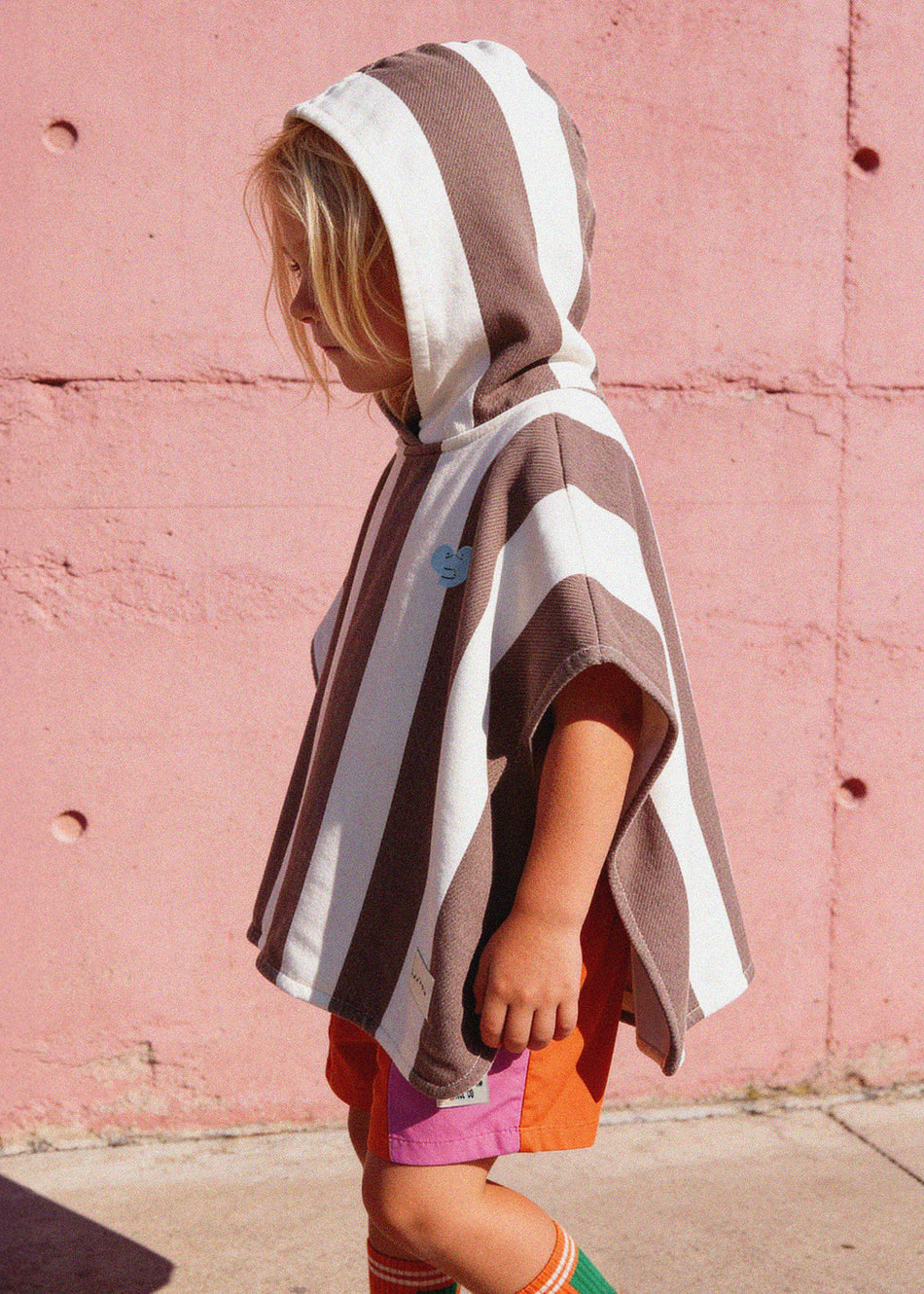
Textiles are one category where thinking long-term is particularly effective. Properly selected, they can accompany a child through various stages of development.
Swaddles and blankets
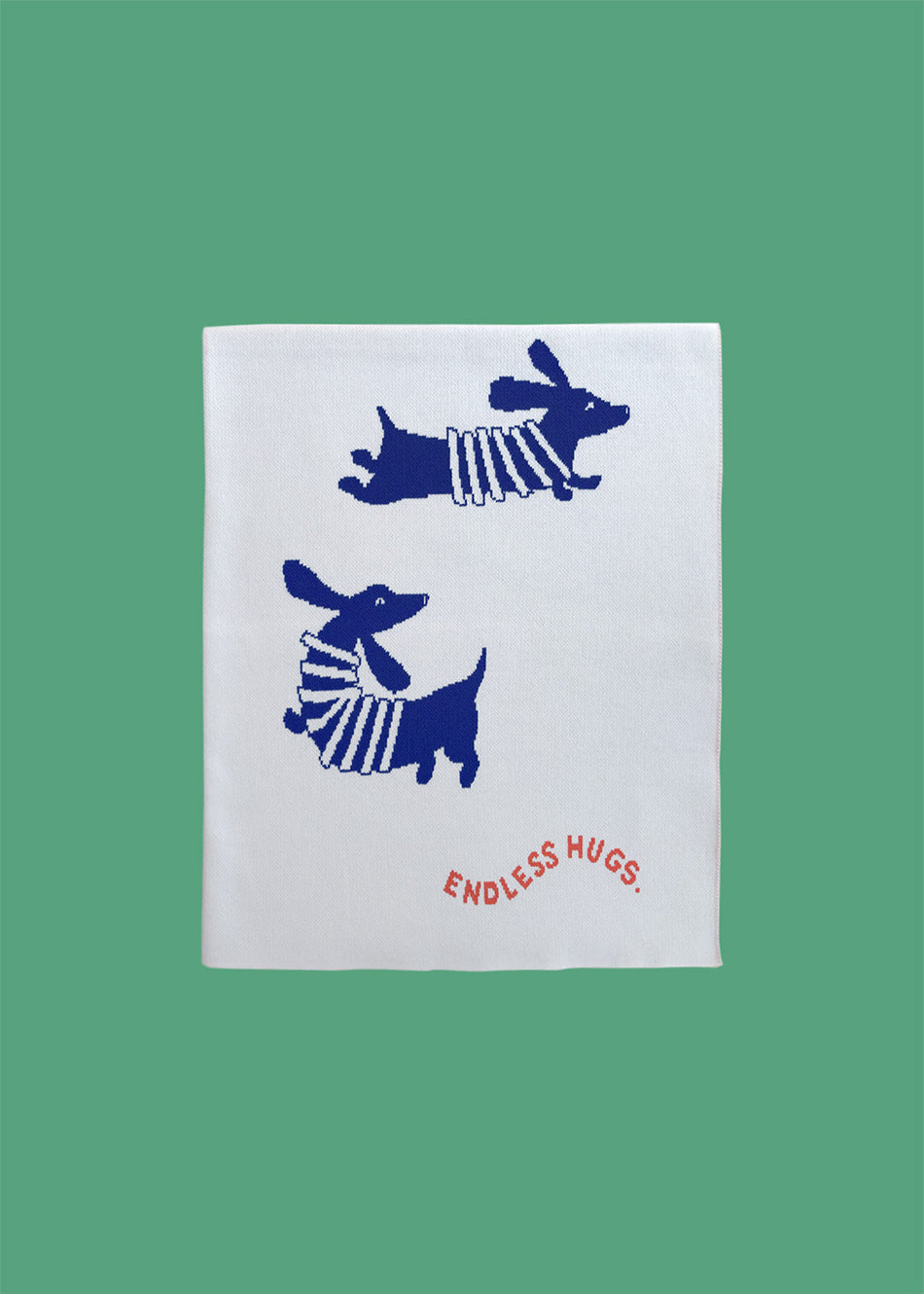
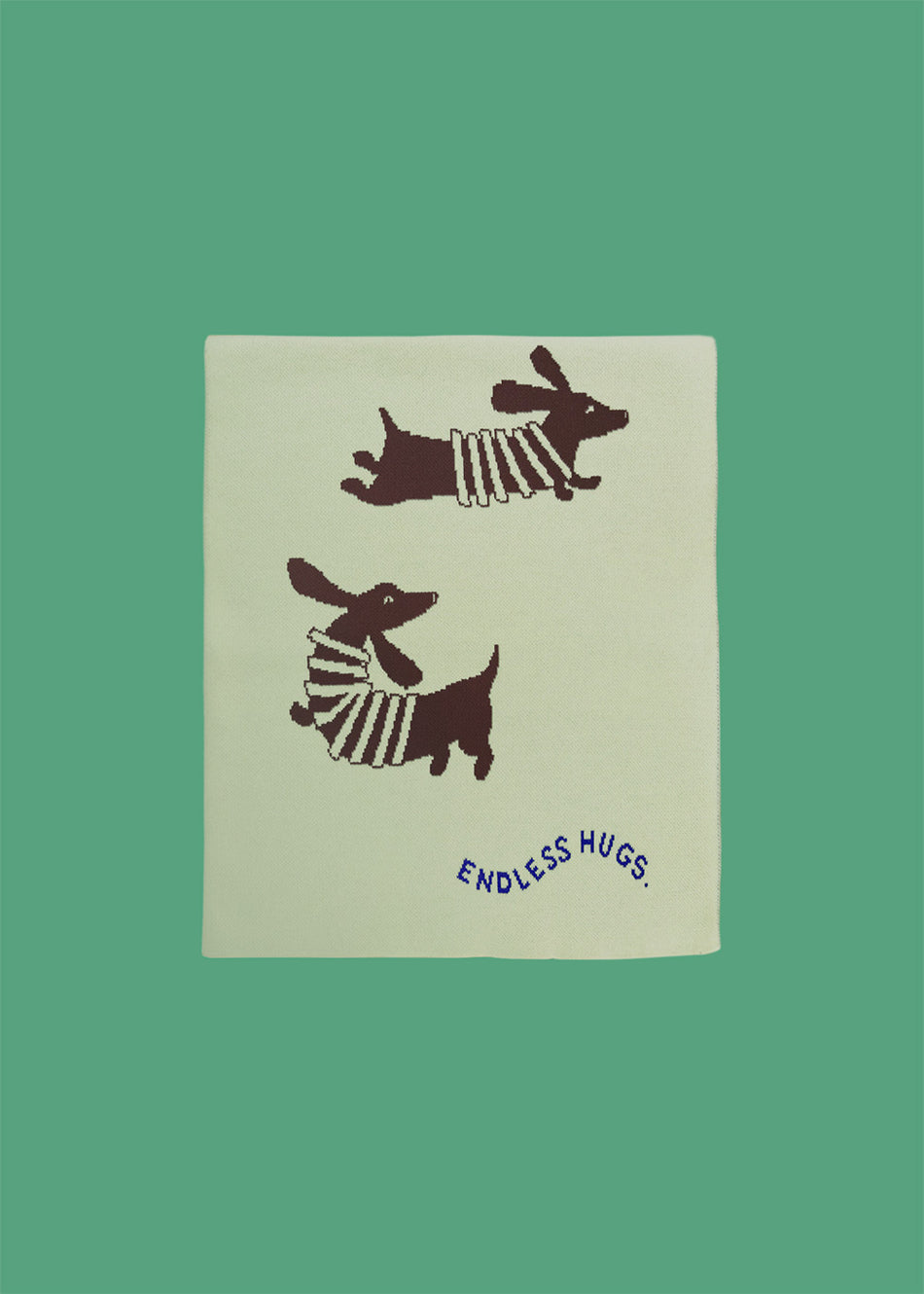
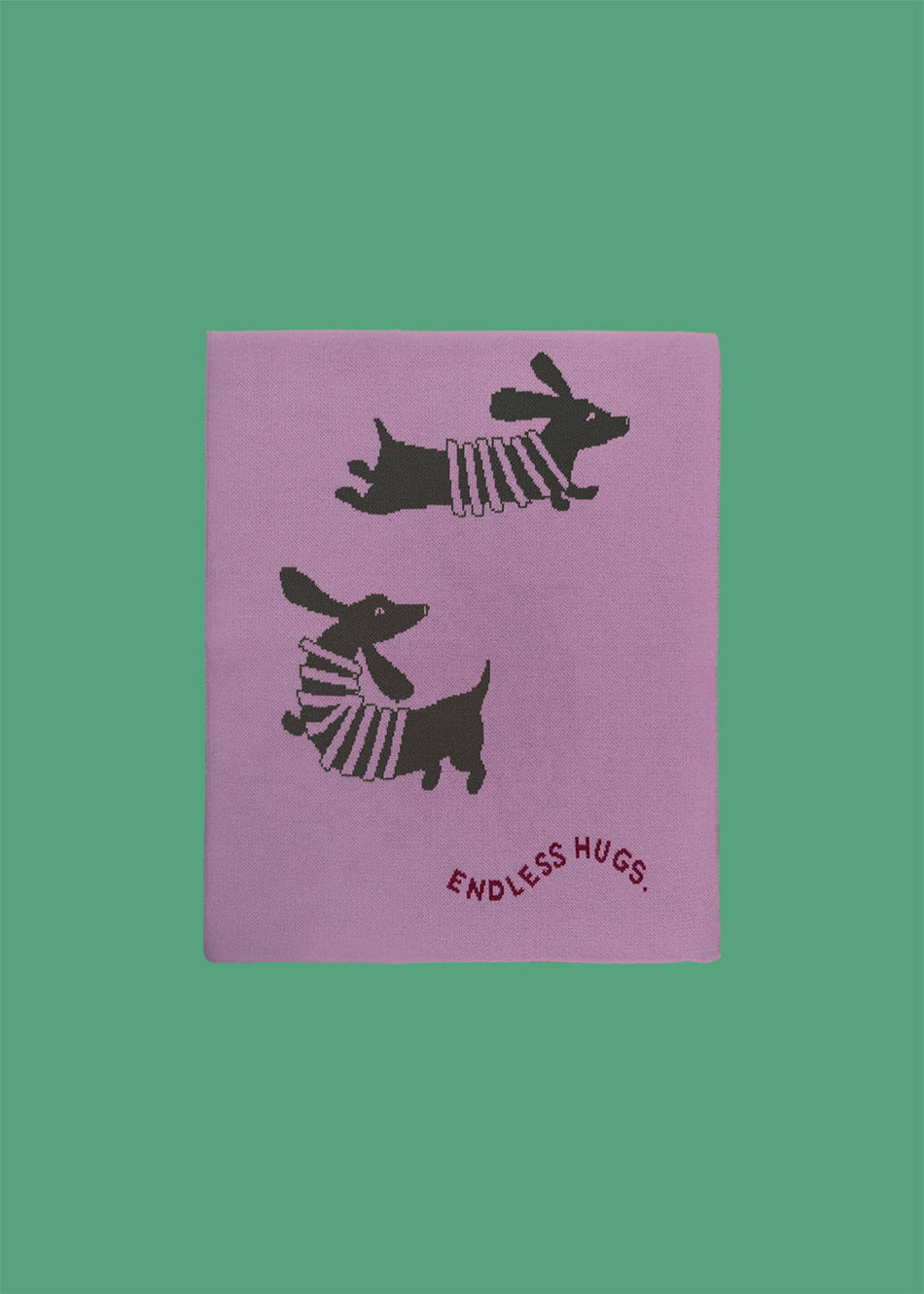
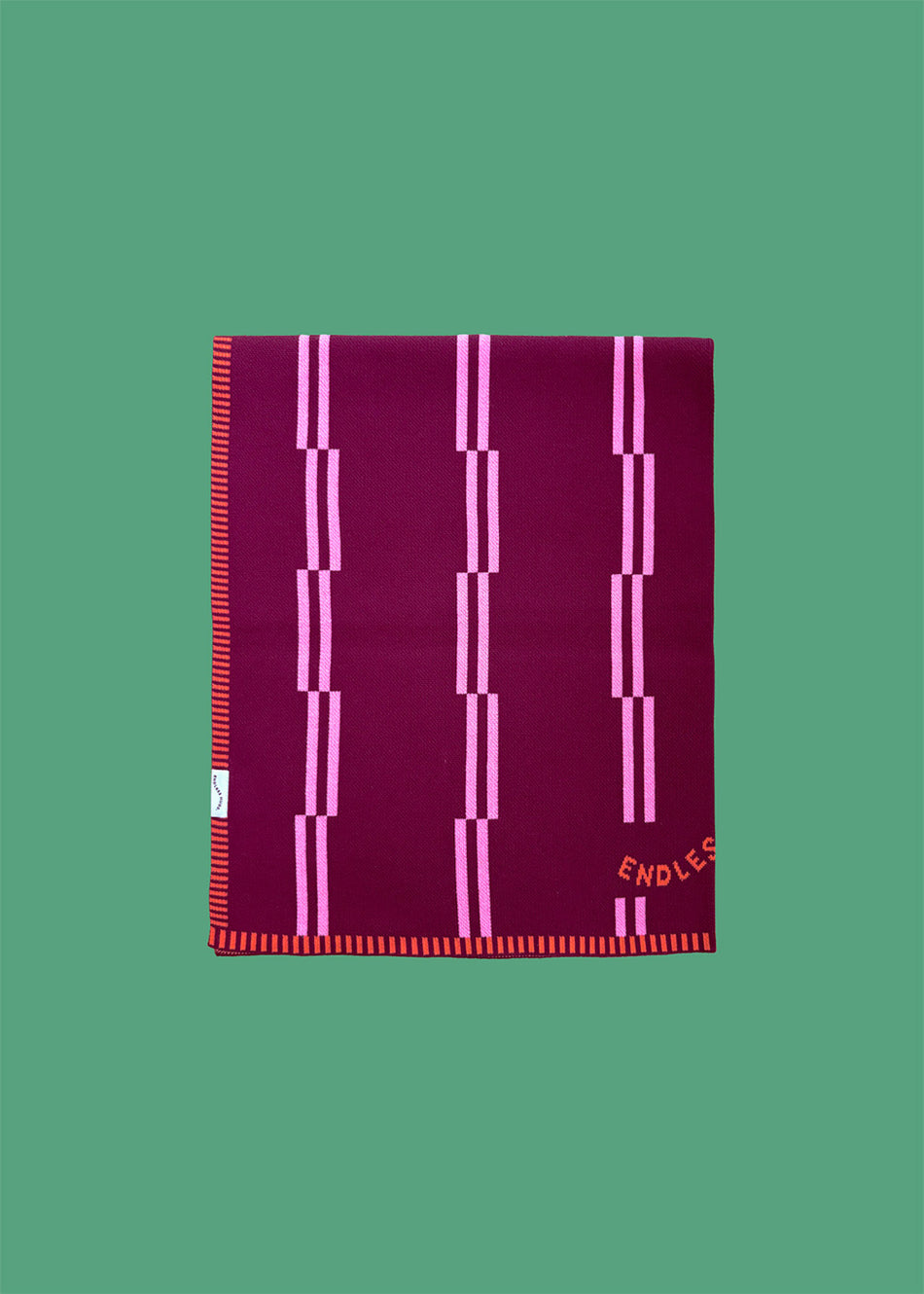
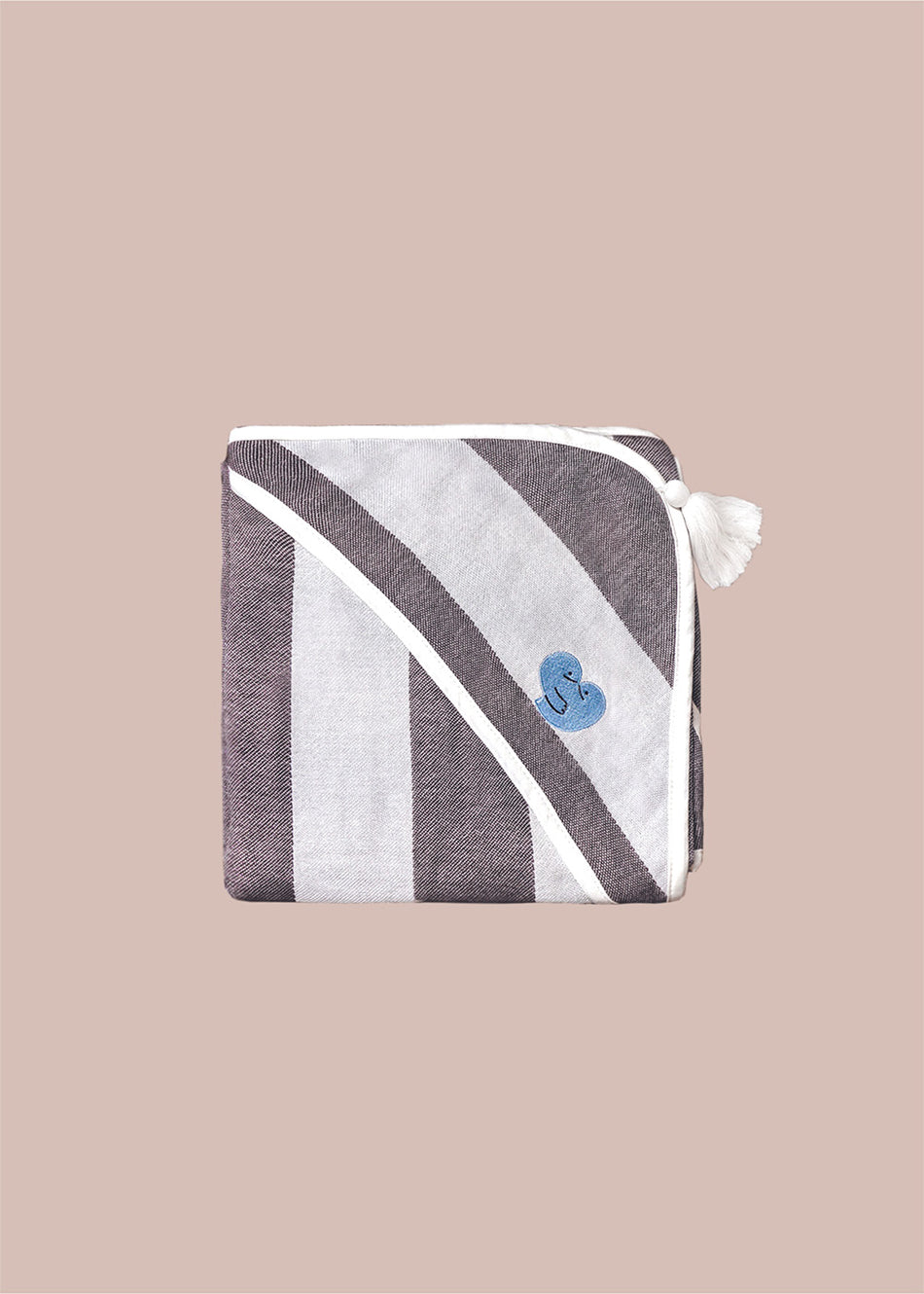
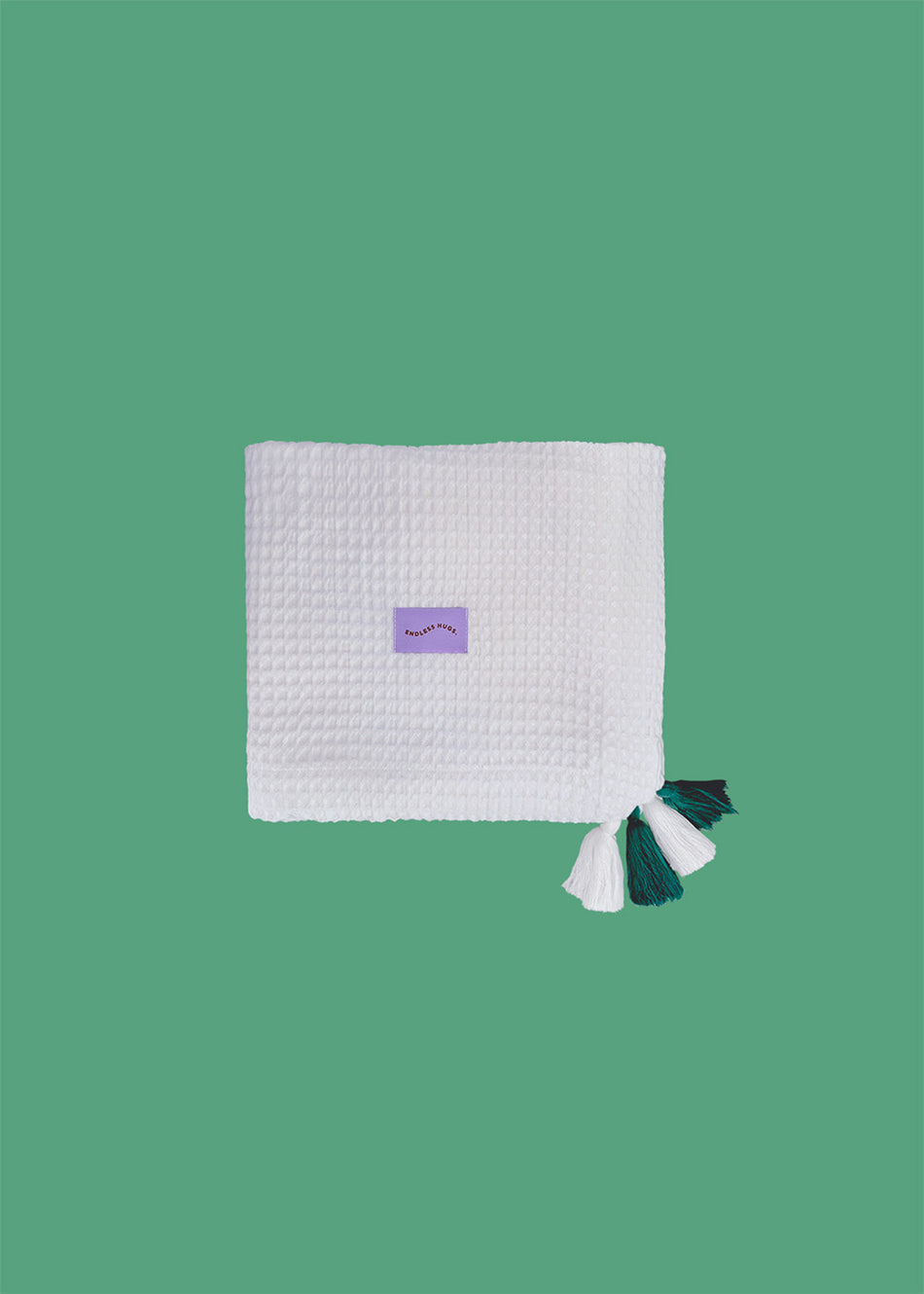
Initially, they promote calm and a sense of security. Over time, they become a lightweight sleep blanket, a stroller cover, or a play mat. One product can therefore evolve into a versatile product that adapts to the child's needs. In practice, such a multifunctional element can take the form of swaddle for a newborn or light a blanket for a baby .
Muslin diapers and lightweight fabrics
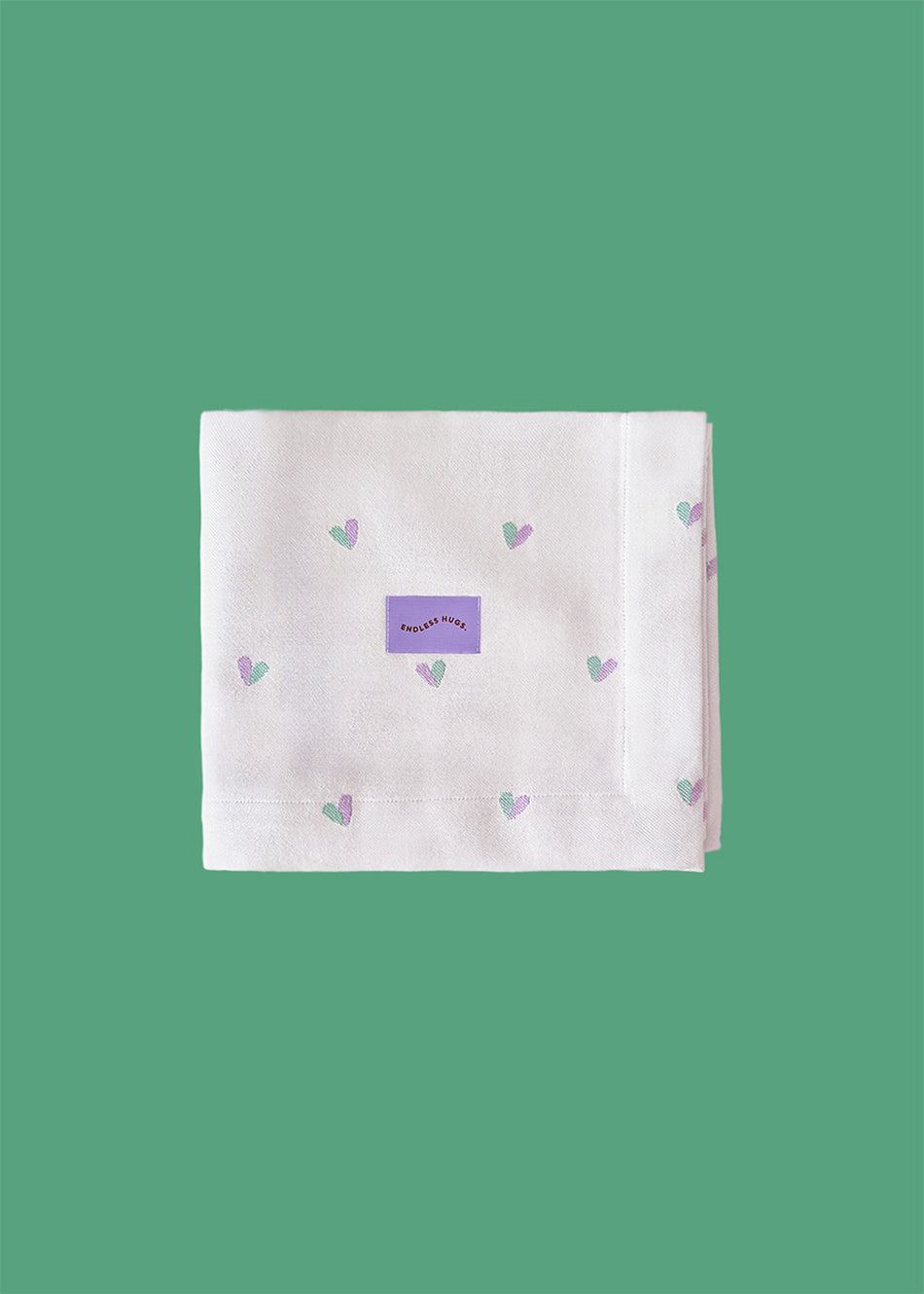
Muslin fabrics often start as part of a newborn layette, and later serve as a foundation, a cover, a delicate wiping cloth, or a daily care item. For this reason, many families build the layette around muslin diapers that are easy to incorporate into various situations.
Bedding and sleep textiles
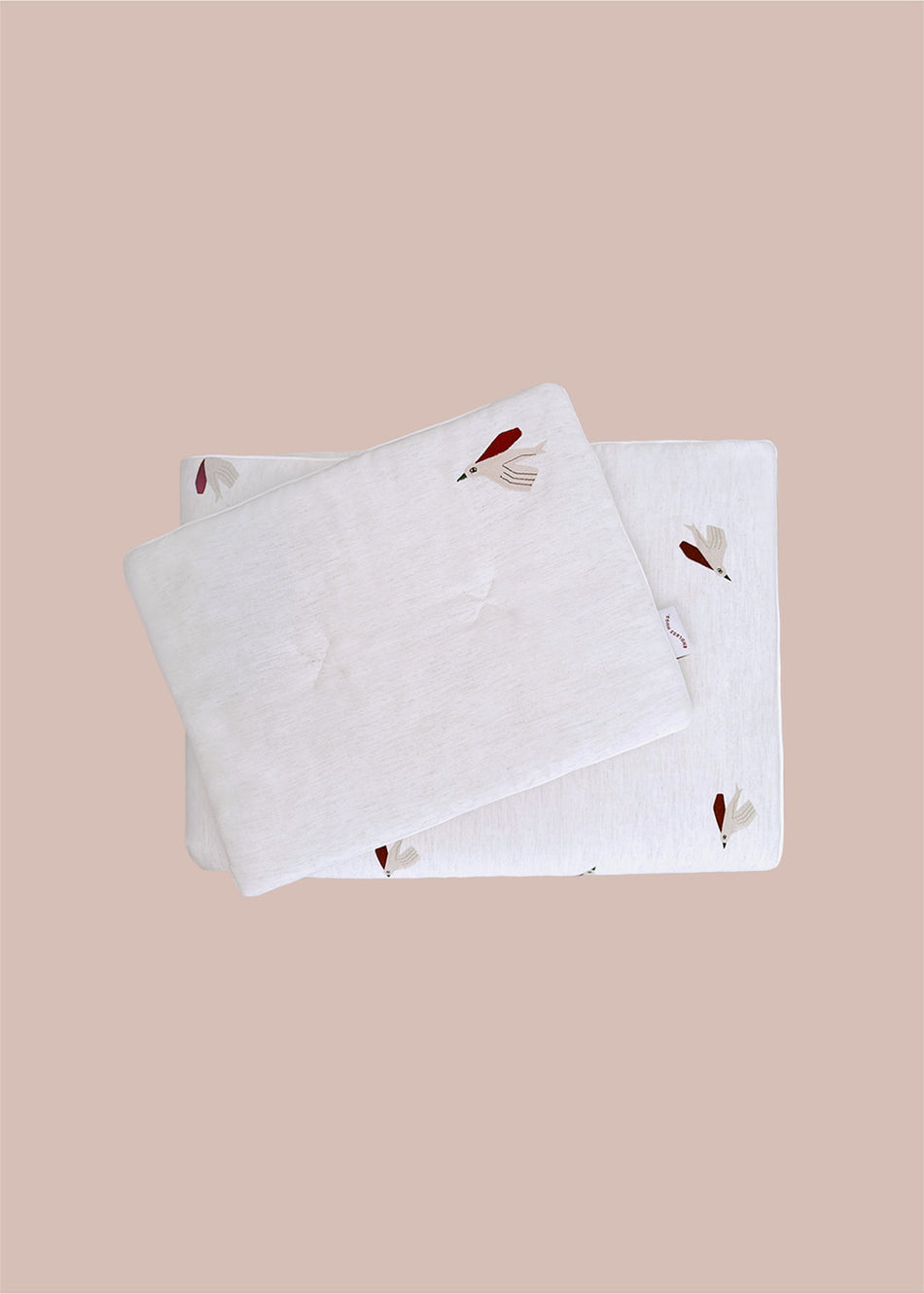
Bedding in muted colors and made from natural materials can be used longer, even if your child's sleeping environment changes. Quality is more important than design, so choosing bedding for children and babies it is worth relying on airiness and ease of care.
How to plan your purchases to avoid impulsive decisions?
The pressure to "be prepared for anything" often leads to overstocking. Planning purchases with long-term use in mind requires reflection and observation of daily needs.
Analysis of products actually used
It's worth paying attention to which textiles are used most often. They should be made of the best materials and have universal applications. A multifunctional approach can be helpful, as illustrated in this post. muslin blanket - how to use it in 10 different ways .
Shopping in stages instead of buying everything at once
Gradually replenishing the layette allows you to better match the products to the current stage of your child's development and avoid accumulating unused items.

The role of care in extending the life of products
Even well-chosen products won't last long without proper care. When it comes to children's textiles, washing and drying methods are particularly important.
Gentle washing and simple remedies
Natural fabrics respond best to mild detergents and moderate temperatures, maintaining their softness and wear properties.
Limiting intensive processing
High-temperature drying or frequent ironing can weaken the fibers. Natural drying promotes durability.
Versatility and everyday home organization
Products with multiple uses make everyday life easier. They help keep spaces more organized and the daily rhythm smoother.
Fewer items, simpler organization
Versatile textiles can be stored in one place and used as needed, without creating many separate sets.
Consistency of the child's environment
Fixed fixtures help create a predictable environment that promotes a sense of security and peace.
The most important rules for choosing products for the long term
When choosing children's products with long-term use in mind, it is worth following a few universal rules:
-
choose natural, durable materials,
-
avoid products with one narrow function,
-
choose a simple form and neutral aesthetics,
-
plan purchases based on real needs,
-
take care of proper textile care.
Consciously choosing children's products promotes a more peaceful daily life and allows you to create a functional environment that doesn't require constant changes as your child develops. This approach is consistent with the Endless Hugs brand philosophy , which focuses on durability, simplicity, and natural materials that support the everyday needs of little ones.