


How to create a friendly environment for babies all year round?
The environment in which a baby spends their time has a significant impact on their comfort, sense of security, and daily functioning. A welcoming space doesn't have to mean a perfectly decorated room or an extensive layette. Creating a cohesive, calm environment that responds to the child's changing needs throughout the year is far more important. Appropriate materials, a flexible home organization, and attention to the daily rhythms support a toddler's development in a natural and unforced way.
What is a friendly environment in the first months of life?
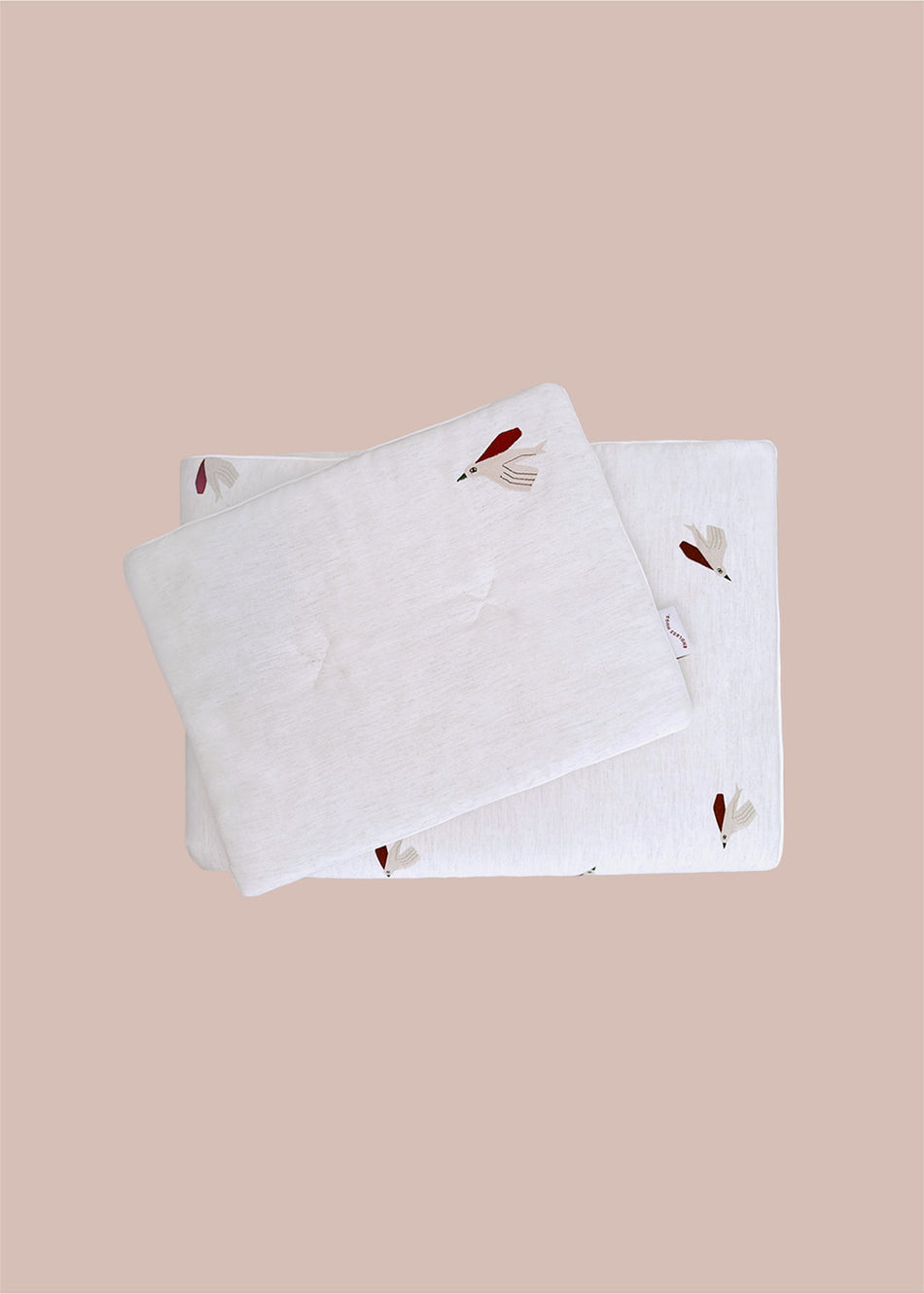
A friendly environment is a space that doesn't overload with stimuli and allows the baby to rest, calm down, and gradually explore the world. In the first months of life, babies especially need predictability and peace. Therefore, a home environment should support these needs, not complicate them. Natural, breathable fabrics work best in the sleep zone, so it's worth choosing bedding for children and babies in terms of breathability and pleasant contact with the skin.

Predictability and a sense of security
Consistent places for sleeping, feeding, and changing diapers help children better adapt to everyday life. Repeated activities and similar environmental conditions promote emotional regulation and facilitate calm.
Limiting excess stimuli
Excessively intense colors, sounds, and smells can make it difficult for a baby to rest. A calm, orderly space helps a baby focus on their own needs and gradually adapt to their surroundings.
How to adapt space to the changing seasons?
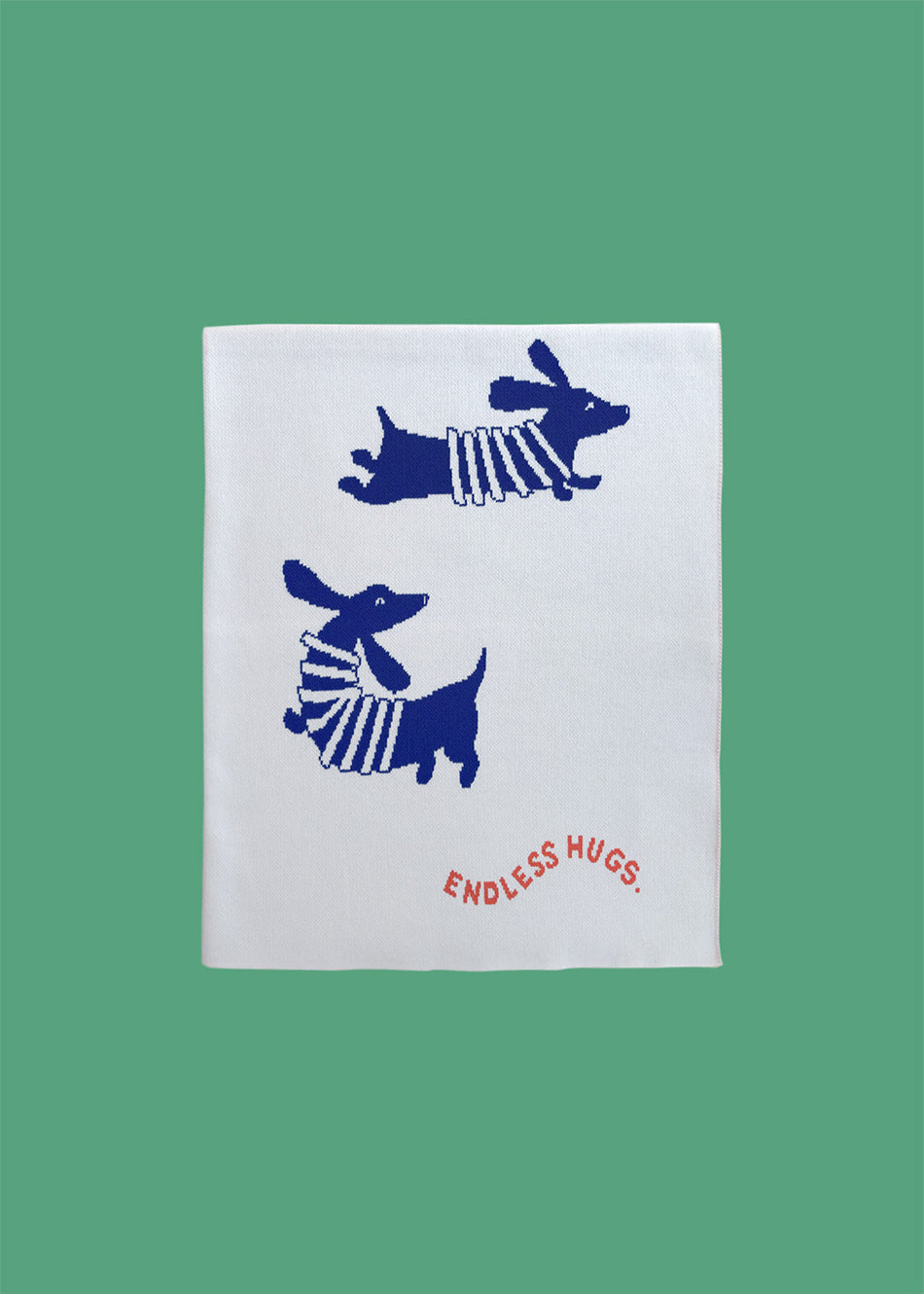
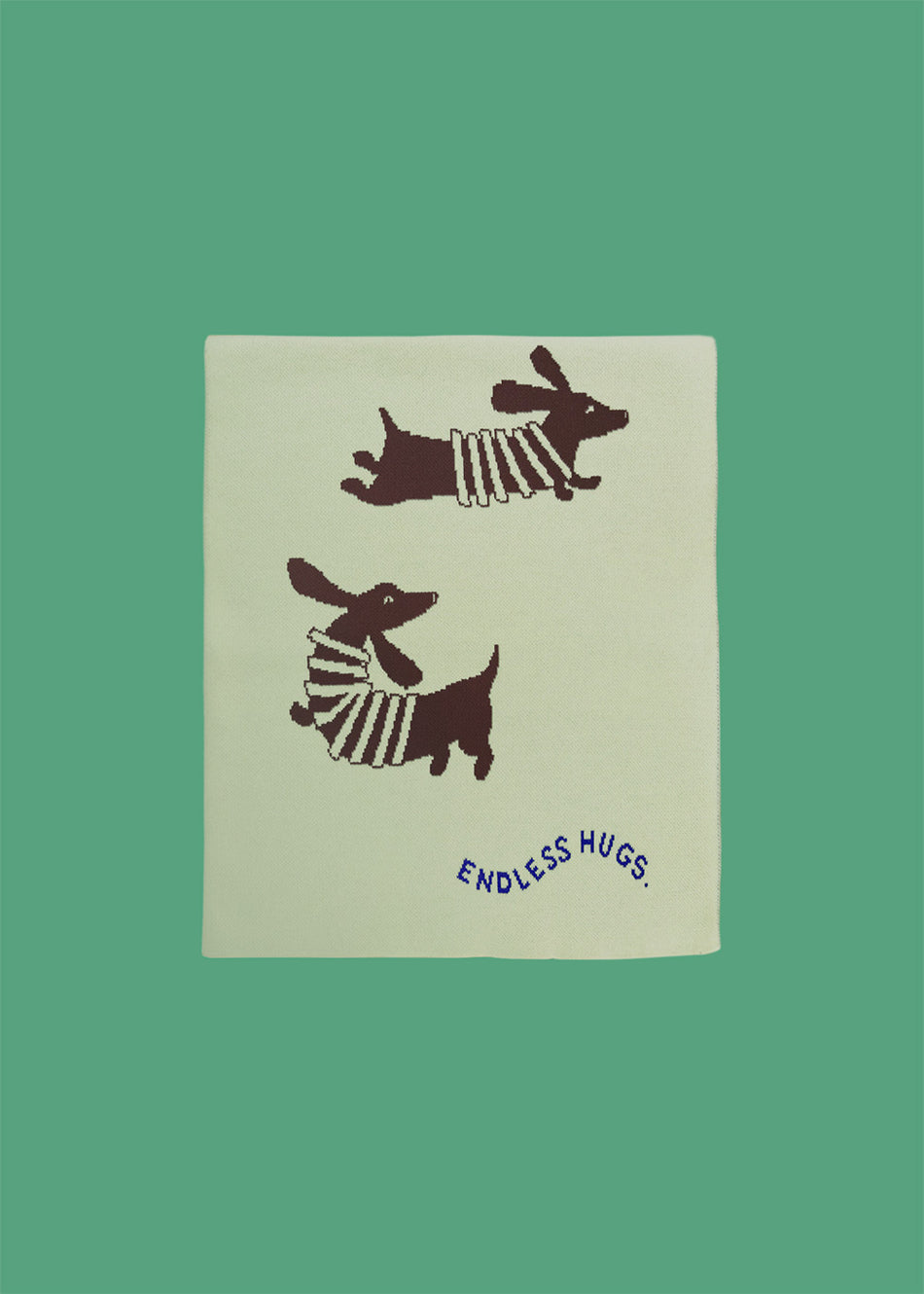
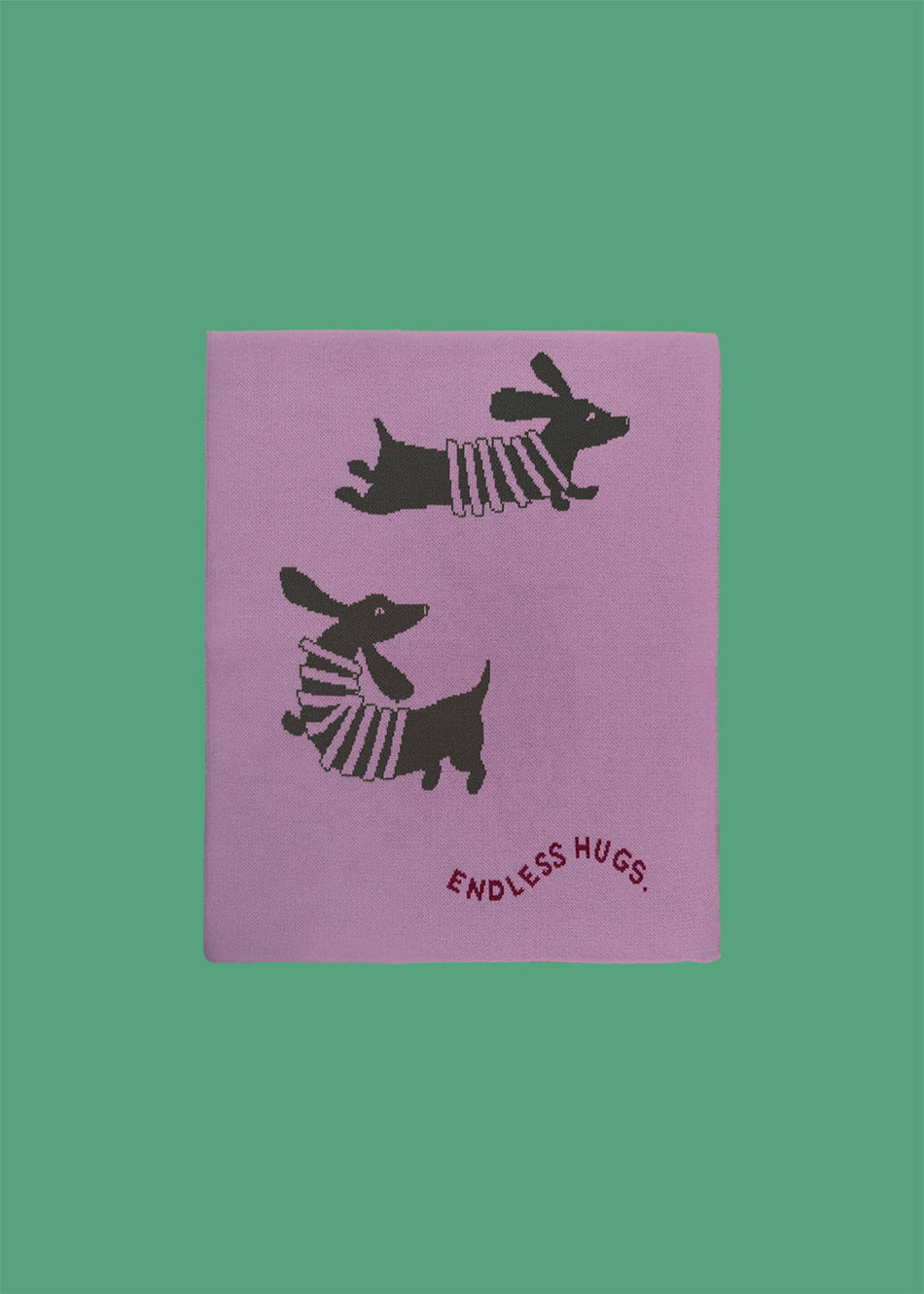
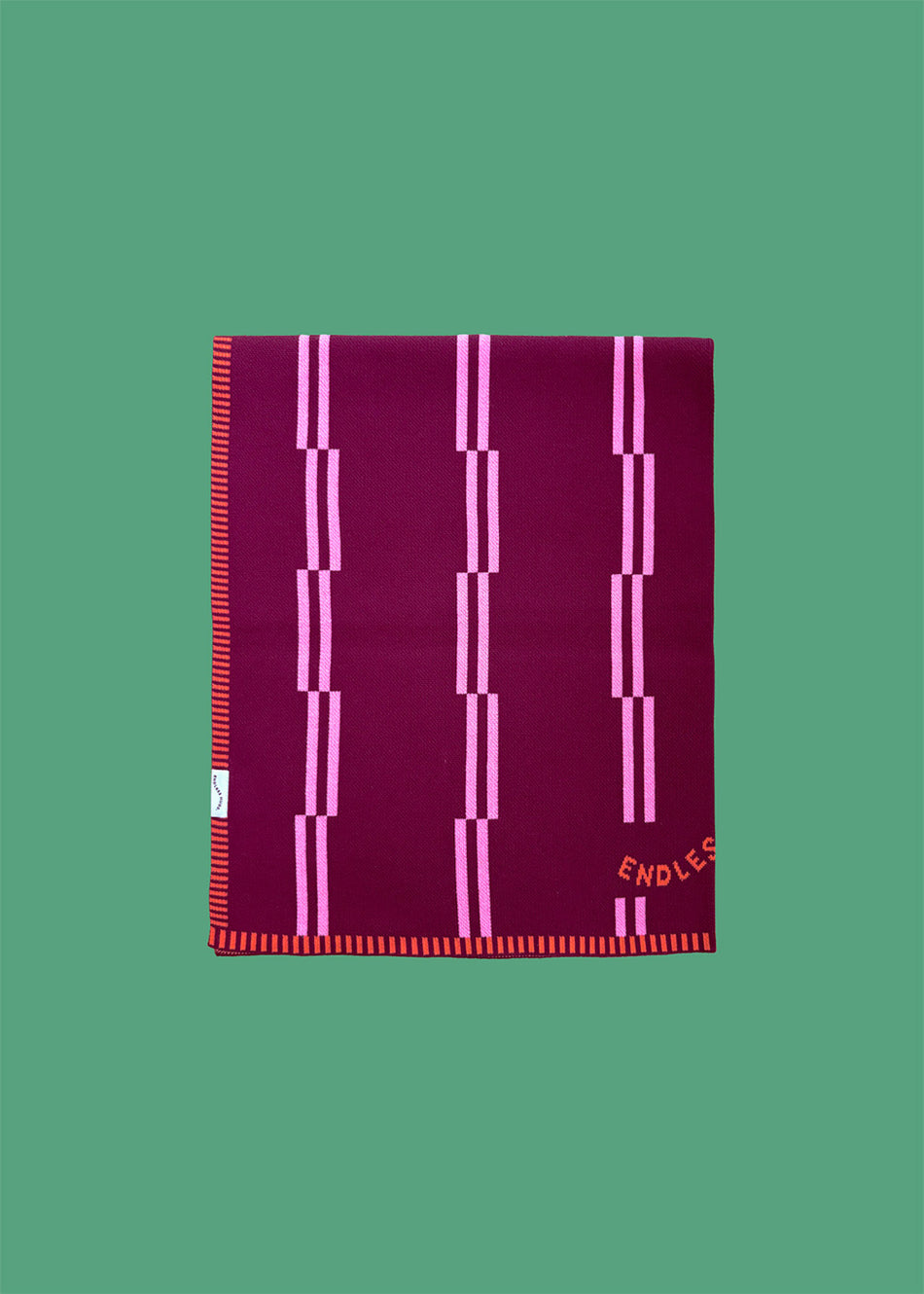
Although a baby's basic needs remain similar year-round, outdoor conditions change significantly. Temperature, humidity, and the amount of natural light affect a baby's comfort, so the home environment should be flexible and easy to adapt. In practice, it's easier to control thermal comfort when a light blanket is available. a baby blanket that can be used as an additional layer at home or on a walk.
Winter - a balance between warmth and airiness
During the heating season, indoor air can be dry, which can affect skin comfort and breathing. It's important to ensure regular ventilation and choose textiles that allow the skin to breathe and prevent overheating.
Spring and summer - lightness and air circulation
In the warmer months, breathability becomes crucial. Lightweight textiles allow for a quick response to temperature changes, and the space can feel more open and bright.
Autumn - a peaceful transition between seasons
Autumn is a time of gradual adaptation. Subtle changes in the environment allow your child to gradually acclimate to colder weather, without any sudden stimuli.
The importance of natural materials in a baby's everyday environment
The materials a child comes into daily contact with influence their physical comfort and well-being. Natural fabrics are often chosen for their functional properties and softness.
Breathability and temperature regulation
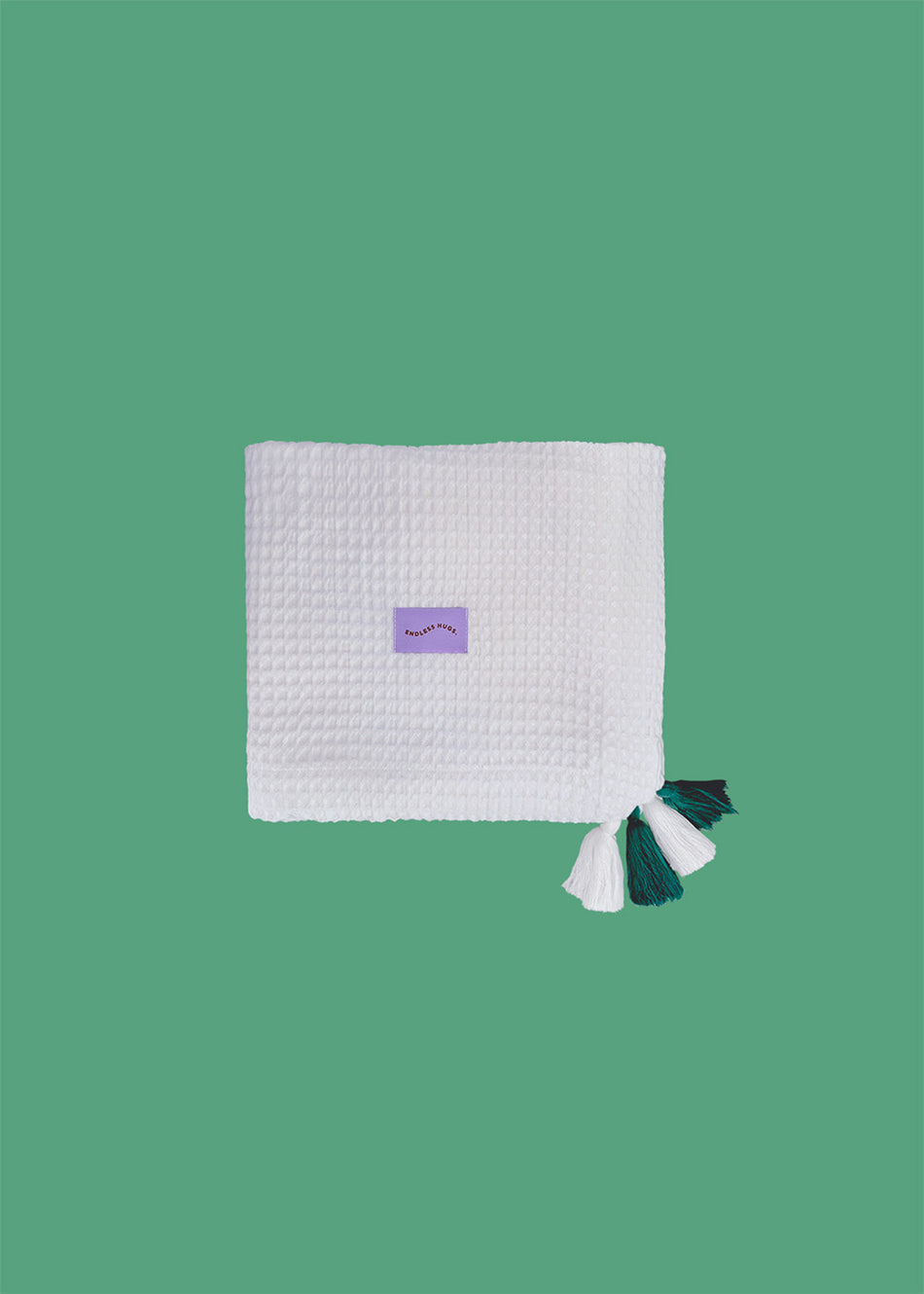
Bamboo, muslin, linen, and delicate cotton support the body's natural thermoregulation. This allows textiles to better adapt to environmental conditions and reduce the risk of overheating or hypothermia.
Softness and comfort in contact with the skin
Baby's sensitive skin requires materials with a smooth, friendly texture. Natural fibers are usually better tolerated and suitable for everyday use.
Space organization - less is more convenient
A friendly environment doesn't require a large number of items. Too much can create chaos and hinder daily functioning. Thoughtful organization fosters a calmer daily rhythm and allows for easier response to a child's needs.
Functional zones instead of separate rooms
In many homes, babies spend time in different parts of the home. It's worth designating functional areas—for sleeping, feeding, or playing—even if they're located in the same room.
Multi-purpose textiles
Products that can be used in a variety of situations help reduce the number of items in your home. One cohesive textile base often suffices for many daily needs.
The role of light in creating a friendly environment
Lighting has a significant impact on a baby's mood and daily rhythm. Natural light promotes activity during the day, while appropriately subdued lighting facilitates winding down in the evening.
Natural light as a reference point
Access to daylight helps regulate sleep and wakefulness. It's important to expose your child to natural light during the day while avoiding direct sunlight.
Evening relaxation
Warm, diffused light in the evening promotes a peaceful transition to sleep. The consistency of lighting and surroundings helps children recognize the moment of calm.
Daily rituals as an element of a friendly space
Environments and rituals complement each other. Repeated activities performed in similar conditions help children better navigate everyday life.

Consistency of place and activity
When specific activities take place in a similar space, children more quickly associate them with rest or activity. Textiles, light, and sounds become part of these associations.
Flexibility instead of rigid patterns
A welcoming environment doesn't have to be perfectly planned. What's more important is the ability to respond to a child's changing needs and adapt the space to their current stage of development.
Colors and aesthetics in everyday surroundings
Although infants don't appreciate aesthetics in the adult sense, color and visual cohesion influence the atmosphere of a home. Subdued colors promote calm and order.
Neutral color base
Natural fabric shades help create a calming backdrop for everyday activities and make it easy to combine different furnishings.

The most important rules for creating a friendly environment all year round
A comfortable space for a baby is based on several universal principles that work regardless of the season:
-
adapting the environment to current weather conditions,
-
selection of natural, breathable materials,
-
limiting the excess of stimuli and objects,
-
organization of space into clear zones,
-
building calm, repeatable rituals.
A baby-friendly environment is created through conscious, everyday decisions. Natural materials, flexible spatial organization, and attention to the child's needs help create a home environment that promotes comfort and a sense of security year-round. This approach is consistent with the Endless Hugs brand philosophy, which focuses on simplicity, functionality, and gentleness in the everyday environment of little ones.