


Why does simplicity in a child's environment work better than an overabundance of stimuli?
A child's environment can support development just as much as it can hinder it. When a space is overloaded with colors, sounds, and objects, stimulation levels rise, and daily activities—from feeding to falling asleep—often become more challenging. Simplicity doesn't mean "empty," but conscious choices: fewer elements, better quality, a predictable rhythm, and materials that are gentle on the skin and senses.
In practice, minimalism in a child's environment serves as a regulating tool—it facilitates calm, concentration, and a sense of security. Below, we summarize the key mechanisms that explain why fewer stimuli usually work better than too many.

What is “overstimulation” in infants and toddlers?
Overstimulation occurs when a child's nervous system receives more signals than it can comfortably process. This can include visual stimuli (too many intense patterns), auditory stimuli (constant sounds), tactile stimuli (scratchy fabrics, labels, seams), olfactory stimuli, and social stimuli (too many new faces at once).
It's worth remembering that a child's tolerance threshold for stimuli depends on their age, temperament, and physical condition. What may seem neutral to an older preschooler may quickly become overwhelming for an infant.
The most common signs of stimulus overload
Symptoms don't always look like "over-emotion." Sometimes they're subtle and easily mistaken for hunger or fatigue. It can be helpful to observe recurring patterns in specific situations.
-
difficulty in calming down and falling asleep, even when feeling tired;
-
crying or whining that increases in noisy or highly stimulating environments;
-
turning away the head, avoiding eye contact, “hiding” the face;
-
body tensing, clenching of fists, nervous movements;
-
frequent waking up and taking short naps during the day;
-
increased sensitivity to touch, e.g. irritability when changing clothes.
Why does simplicity support development and everyday well-being?
A child learns about the world through repetition and predictability. A simple environment helps structure experiences – instead of jumping between stimuli, it's easier to focus on a single activity and complete it in a calm rhythm.
Better regulation of emotions and the nervous system
When there are fewer elements in the environment, the child receives a clearer signal: "this is a safe place." The risk of overstimulation is reduced, and the caregiver can more easily recognize what is a real need (sleep, food, closeness) and what is a reaction to chaos.
Simplicity also supports so-called co-regulation - an adult can more quickly establish a regular, quiet ritual: hugging, swaddling, gently rocking, dimming the lights.
Deeper concentration and higher-quality play
A large number of toys and decorations can be mistaken for a "rich developmental environment." In reality, too many objects in the field of view make it difficult to choose and sustain attention. A simpler space promotes longer, calmer, and more creative play.
It's a good idea to implement a rotation approach—fewer items available at a time, but changing them every few days or even every week. This gives your child a sense of novelty without excess.
Healthier sleep and easier falling asleep
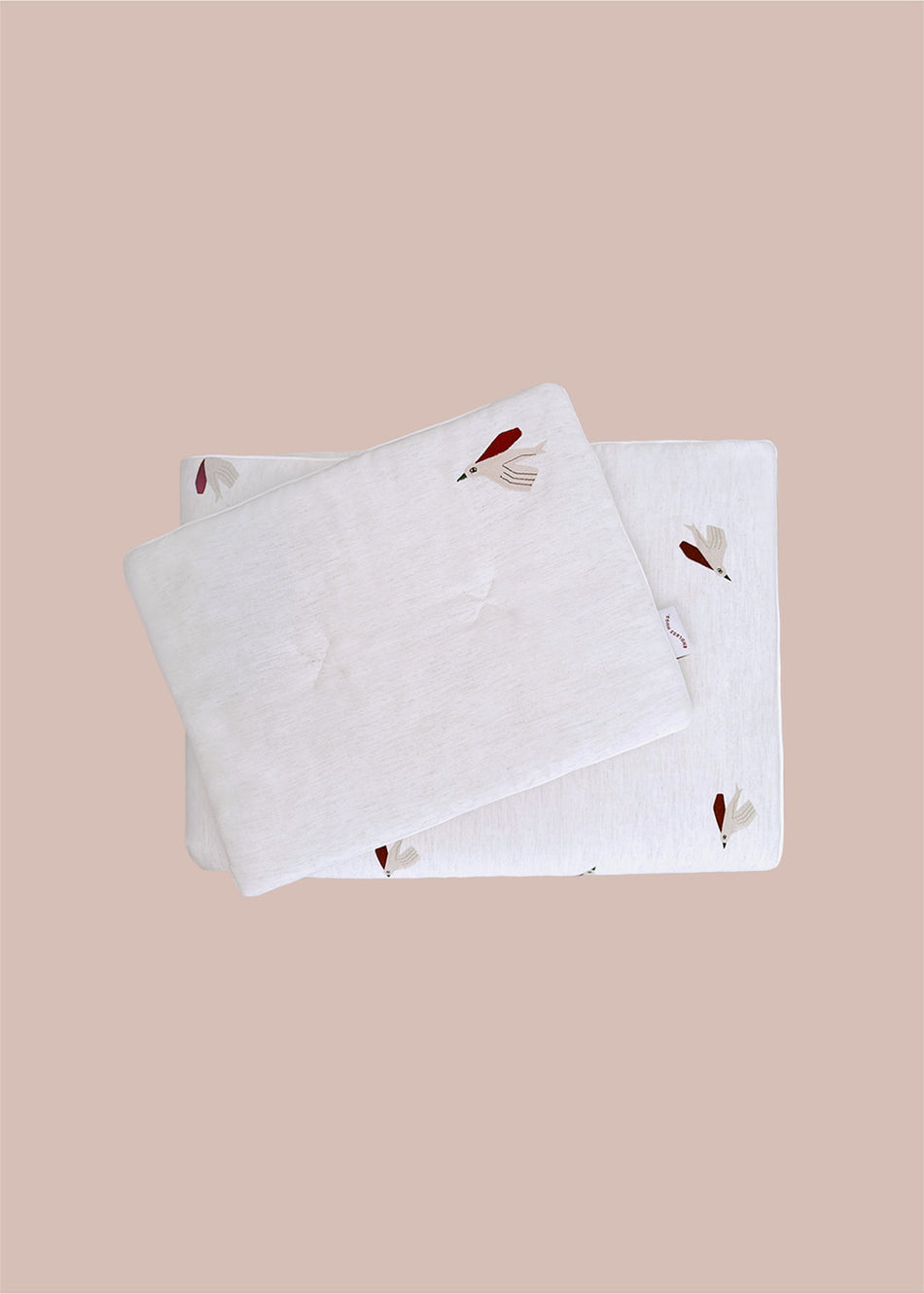
Infant sleep is sensitive to light, noise, temperature, and skin comfort. A minimalist sleep environment means, above all, consistency of stimuli: consistent conditions, subdued colors, a lack of distracting sounds, and tactile bedding for children and infants .
The tactile quality of the environment is also important. Natural, breathable fabrics can help maintain thermal comfort and reduce discomfort that may arise for the child.

How to simplify a child's space without revolution?
Change doesn't have to mean a complete overhaul. Small adjustments, implemented in stages and evaluated through observation of the child, are most often effective. The key is to limit chaotic stimuli and retain what truly supports daily life.
Create a simple, supportive space
The following steps will help you organize your environment and maintain it in a practical way. Simply choose a few starting points and implement them within a week.
-
limiting the number of intense patterns in the child's field of vision, especially in the sleep zone;
-
muting background noise and avoiding continuous playing of electronic toys;
-
designation of 2-3 permanent zones: sleep, care, quiet play;
-
reducing the number of toys "on the outside" and rotating them every few days or every week;
-
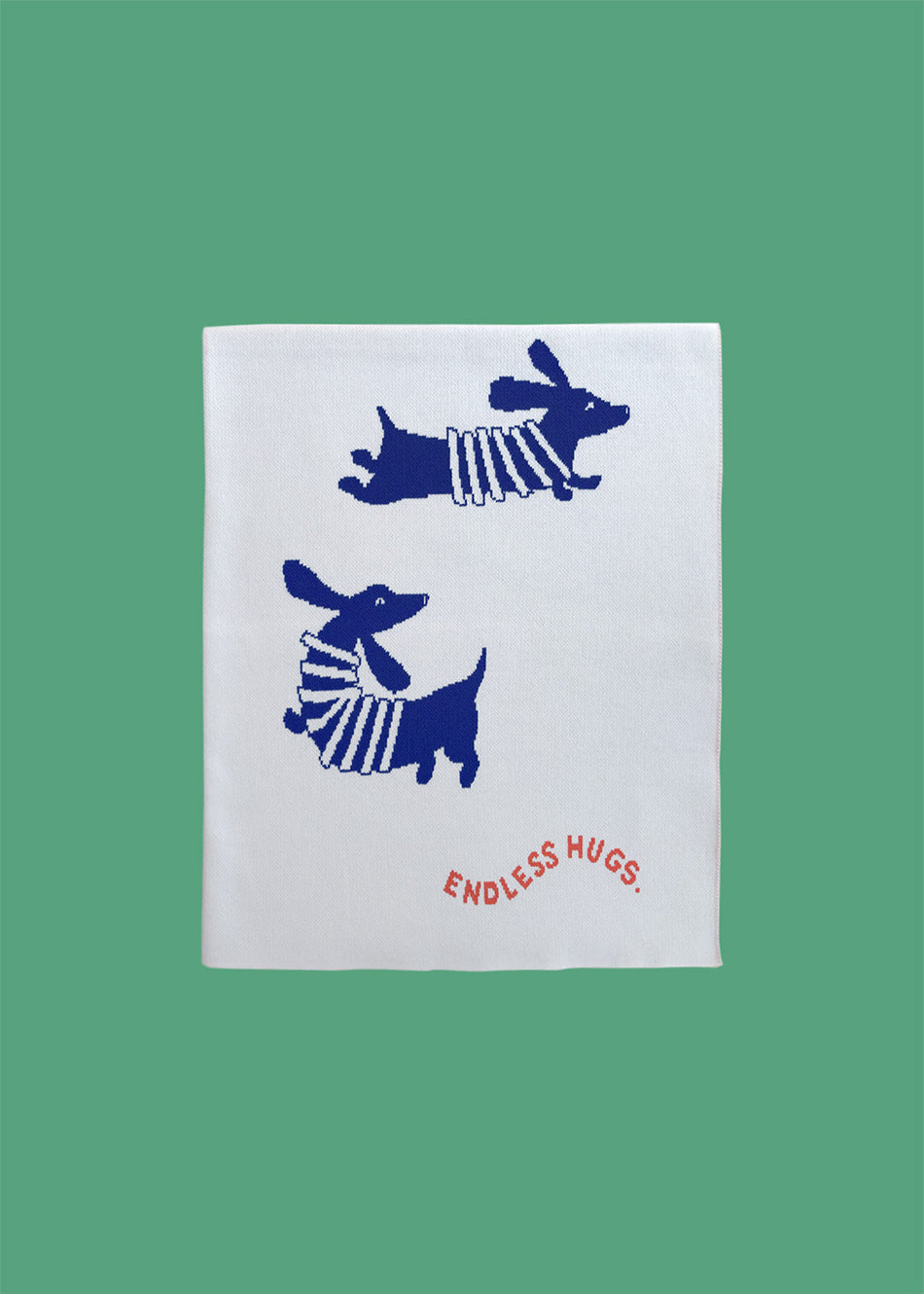
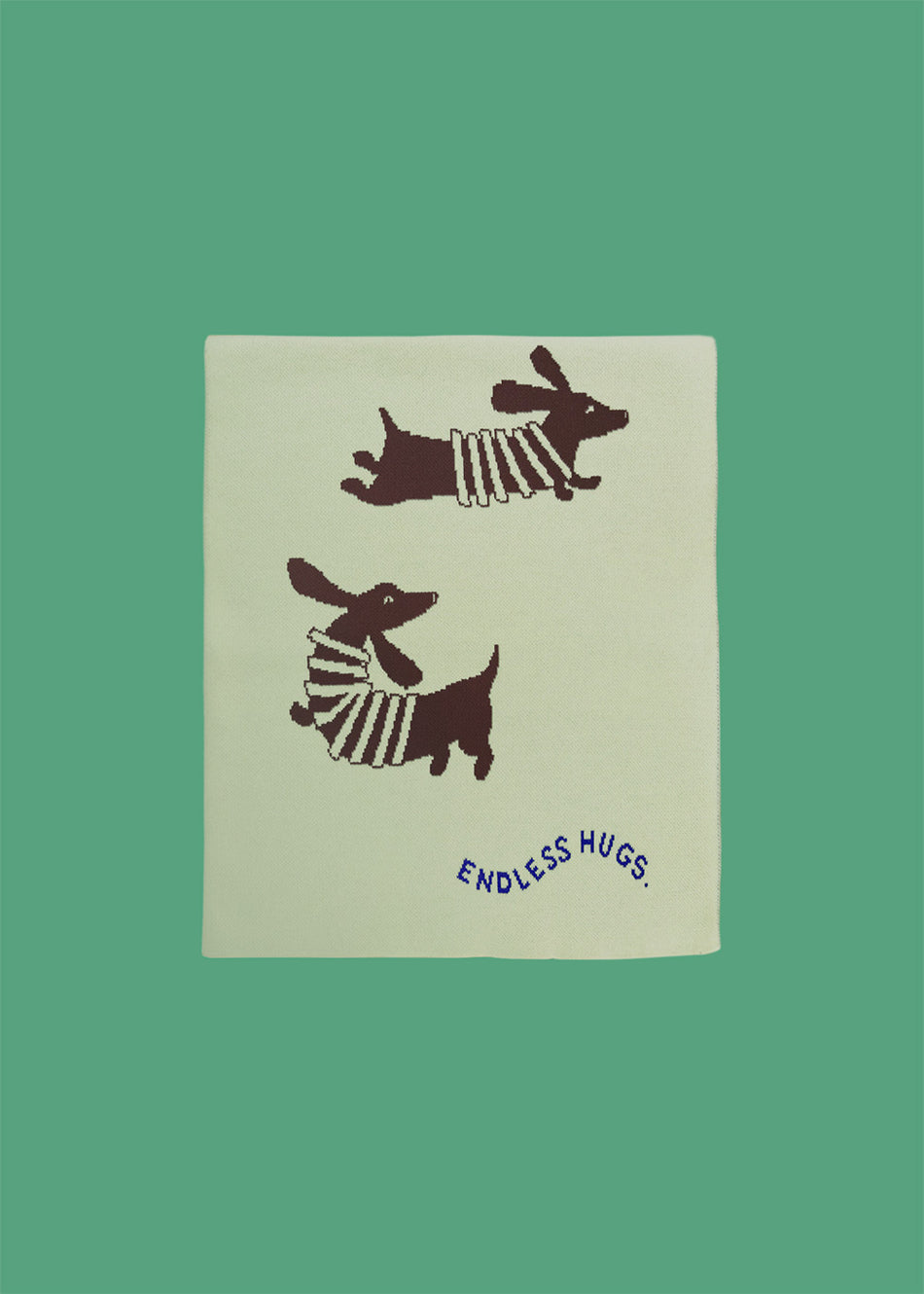
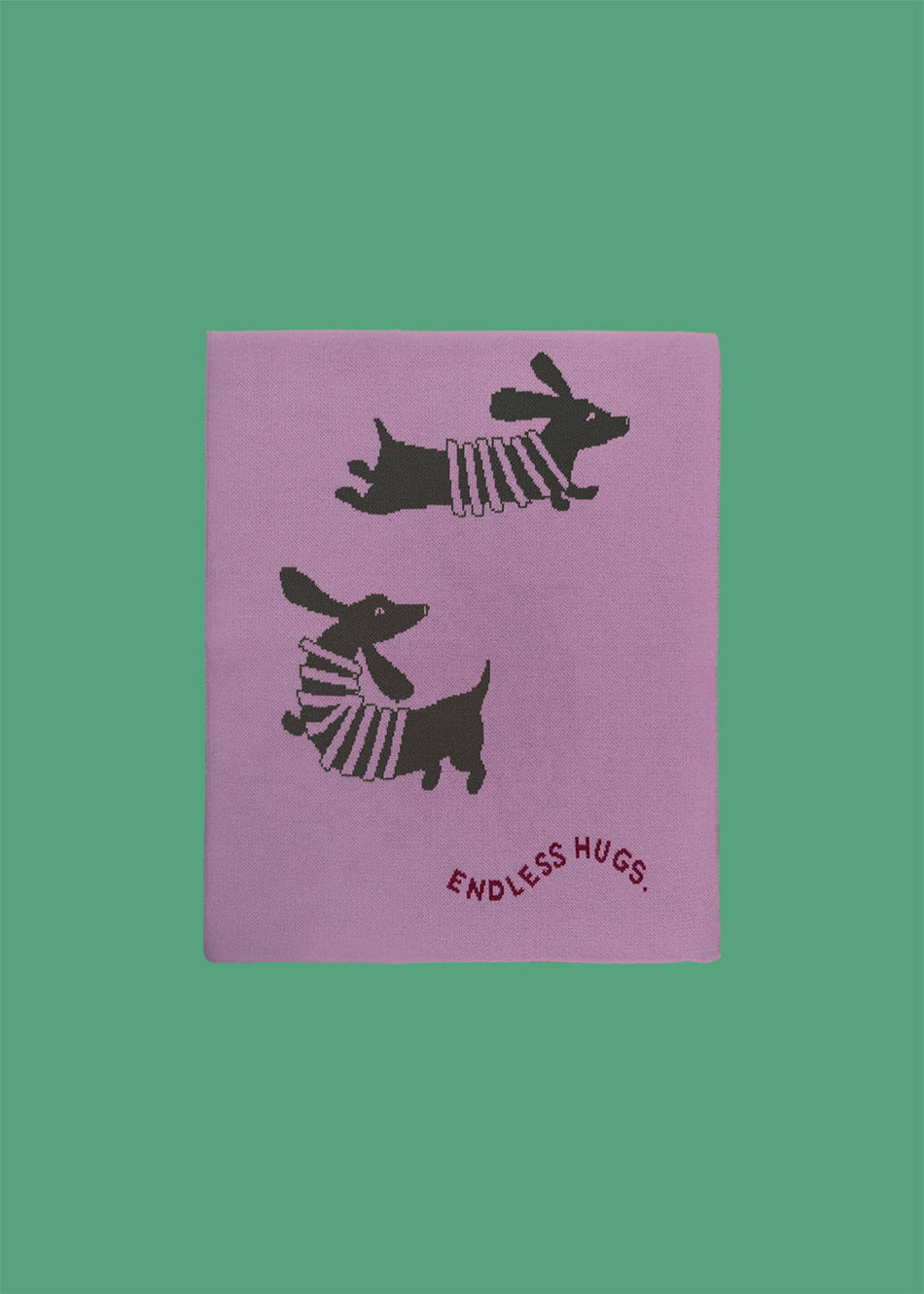
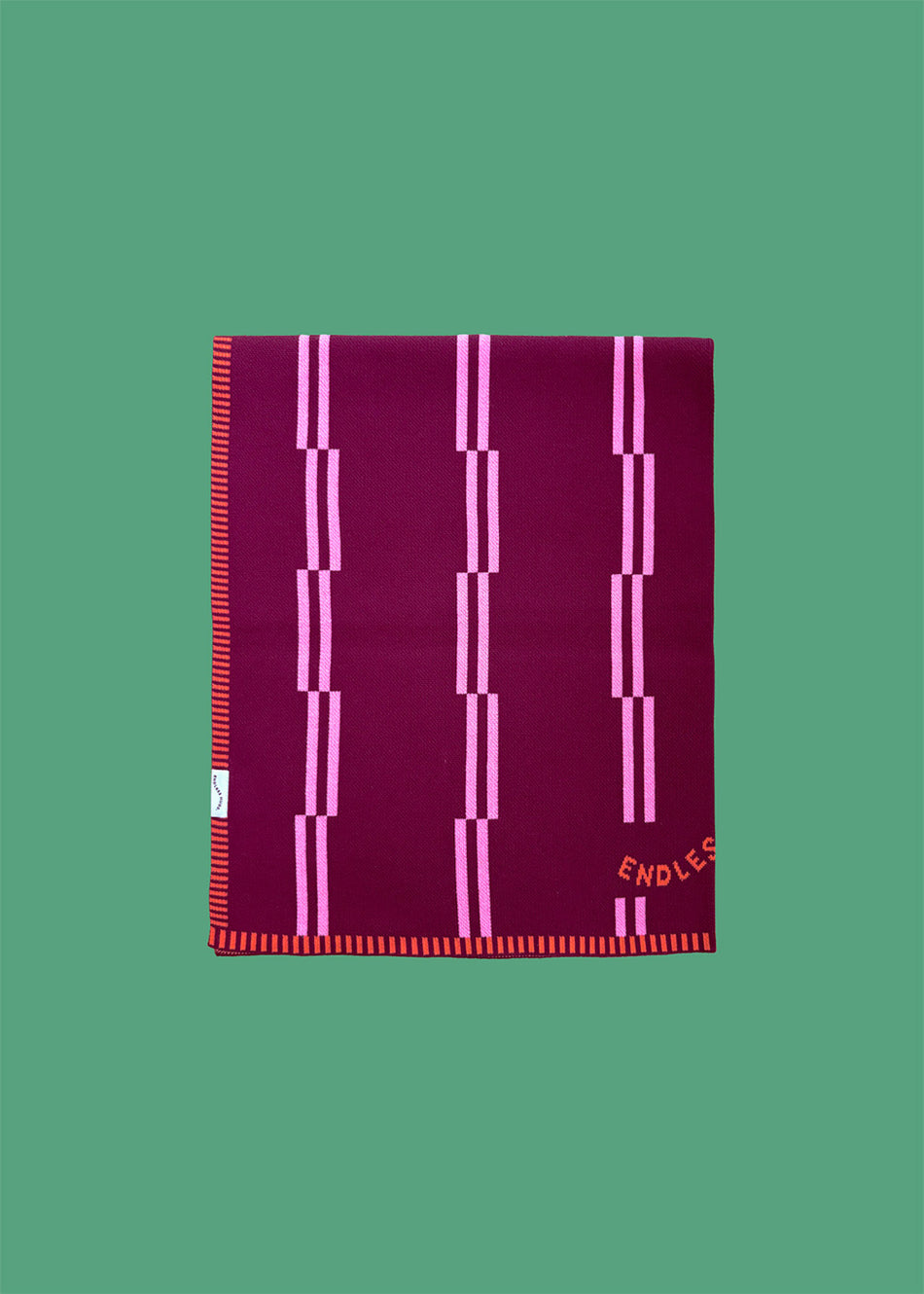
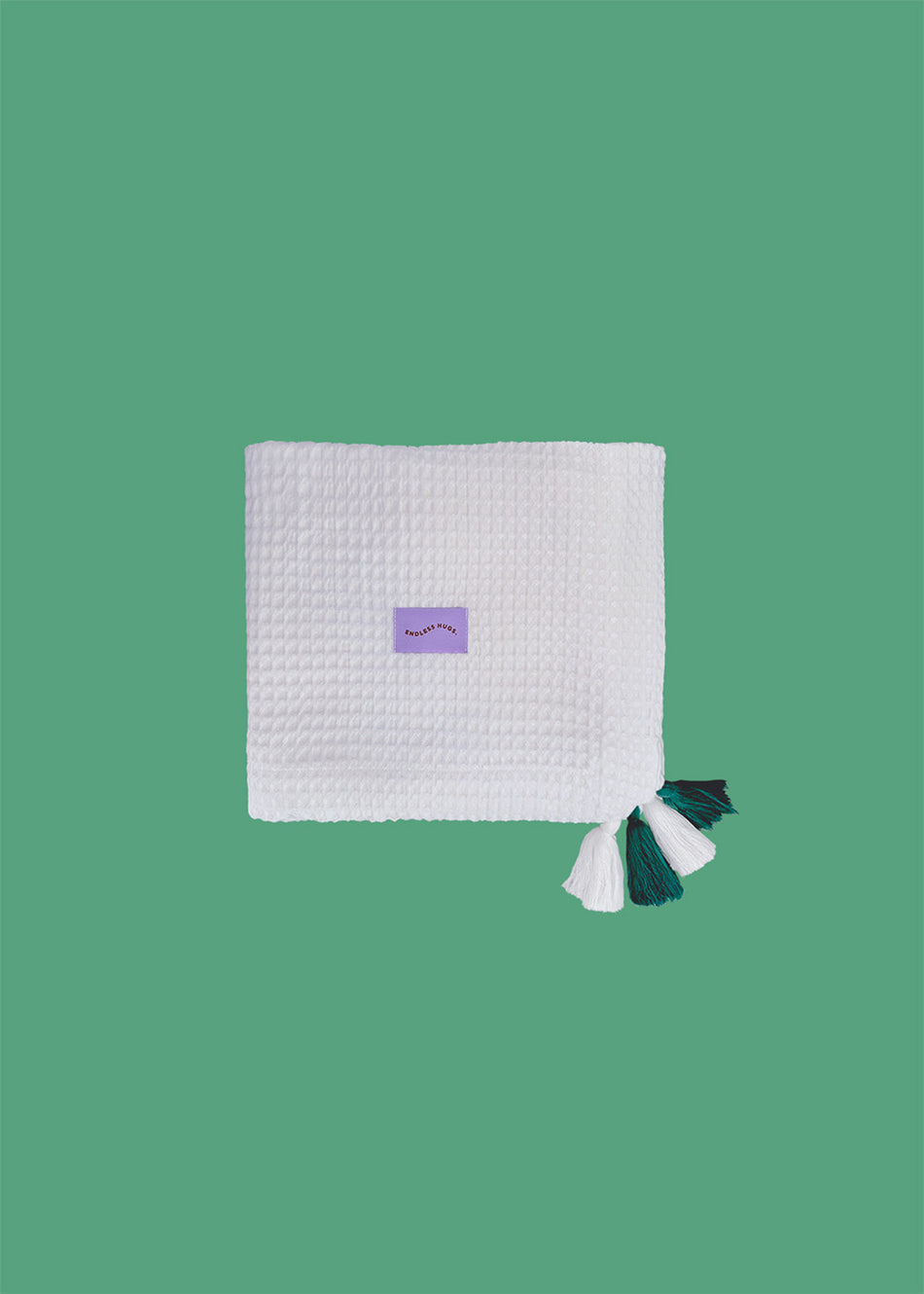
choosing soft, breathable textiles that do not irritate the skin, for example a baby blanket as a light layer for sleep and rest;
-
simplification of the evening ritual: the same steps, similar time, constant conditions.
Simplicity in textiles: less stimuli, more comfort
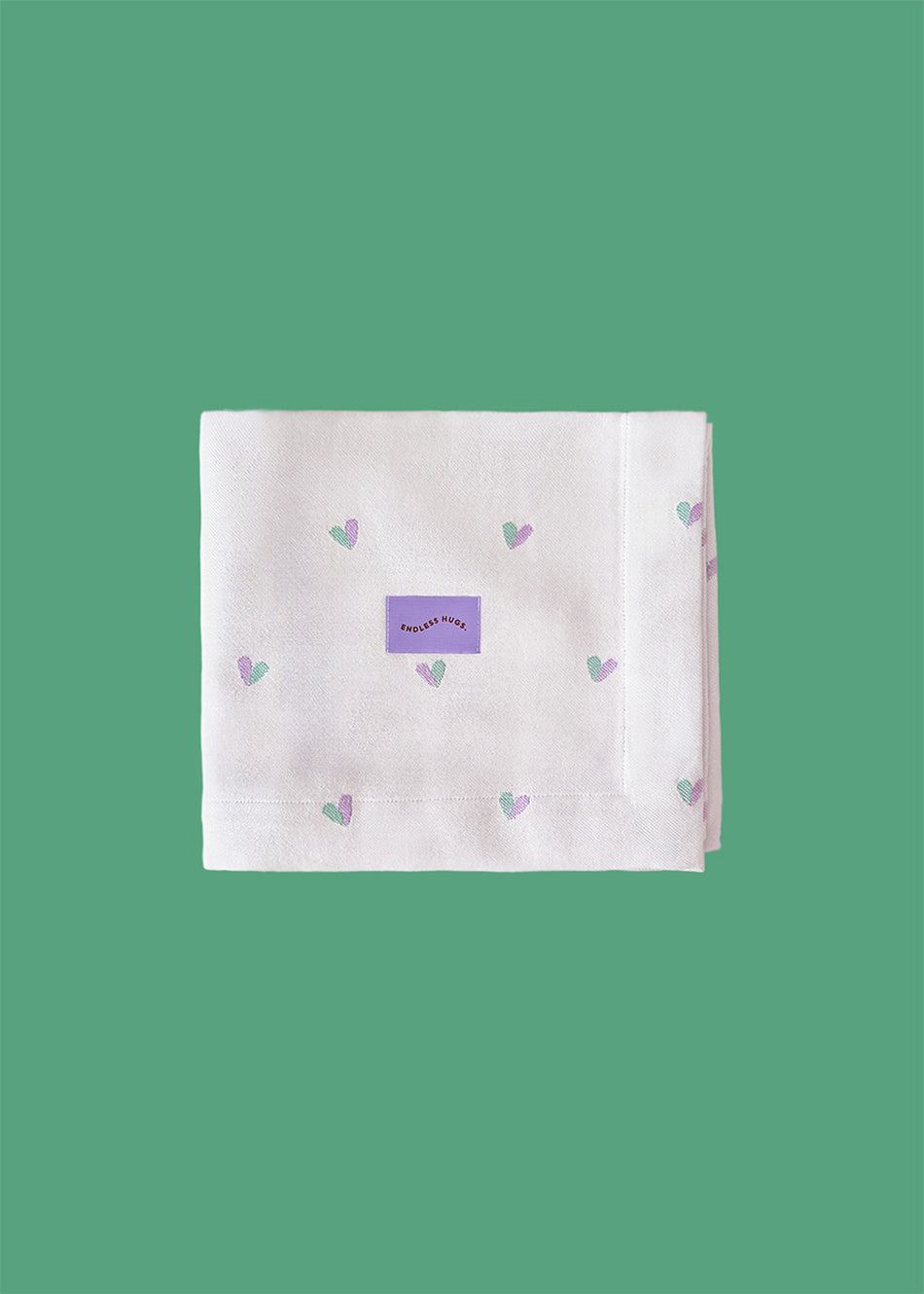
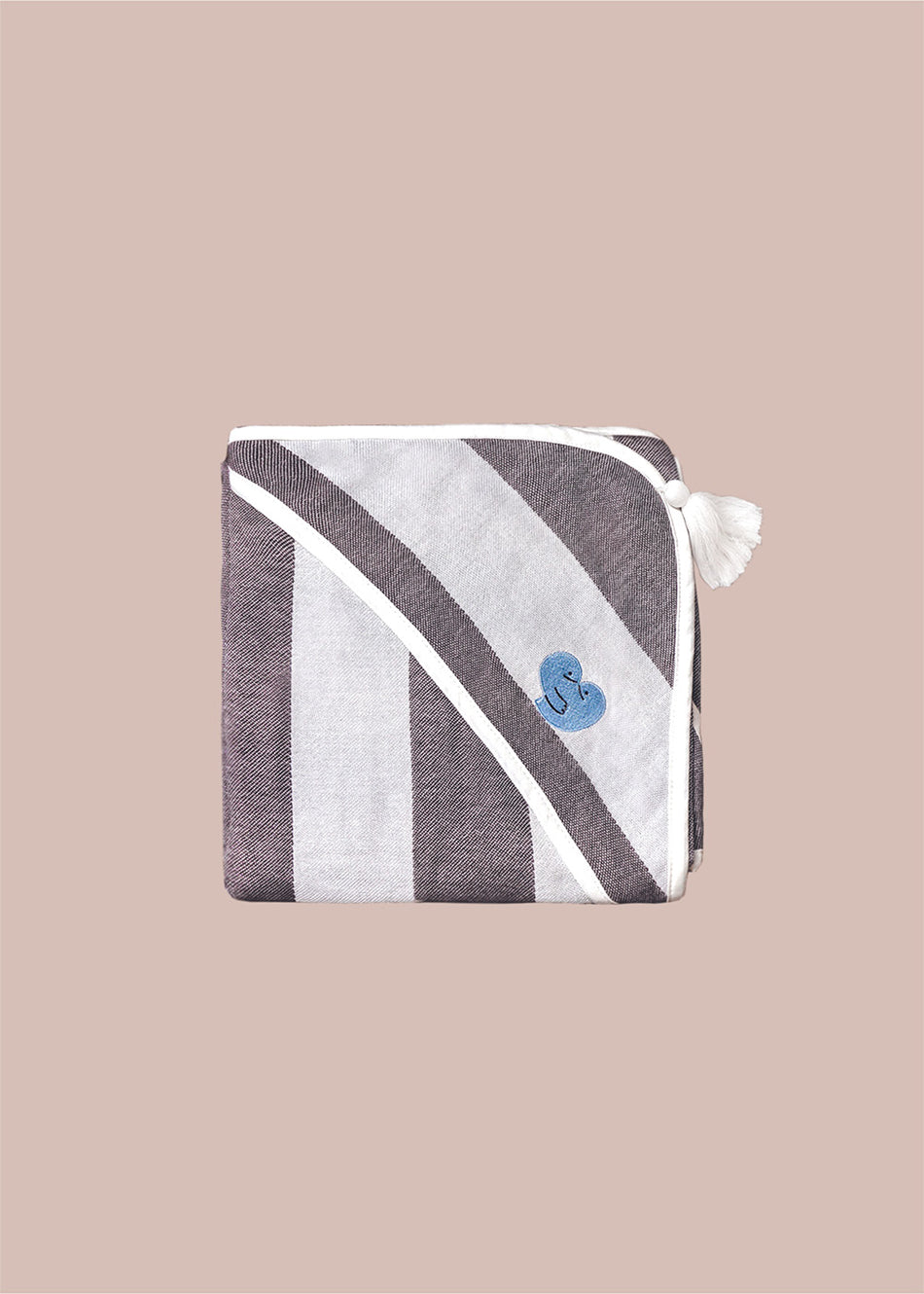
Textiles are among the closest elements to a child's environment—they touch the skin, influence temperature, absorbency, and the feeling of being wrapped. The "less is more" approach emphasizes neutrality of stimuli and functionality: fabrics should support, not distract. Textiles with simple uses and a calm aesthetic work well with this approach, such as a newborn wrap used for soothing and wrapping.
Natural fabrics and sensitive baby skin
In practice, parents often choose materials like cotton (including muslin) or bamboo viscose (often called "bamboo") for their softness and breathability. Simple weaves and subdued patterns can promote relaxation, and tactile comfort reduces the risk of irritation during sleep, feeding, and bathing.
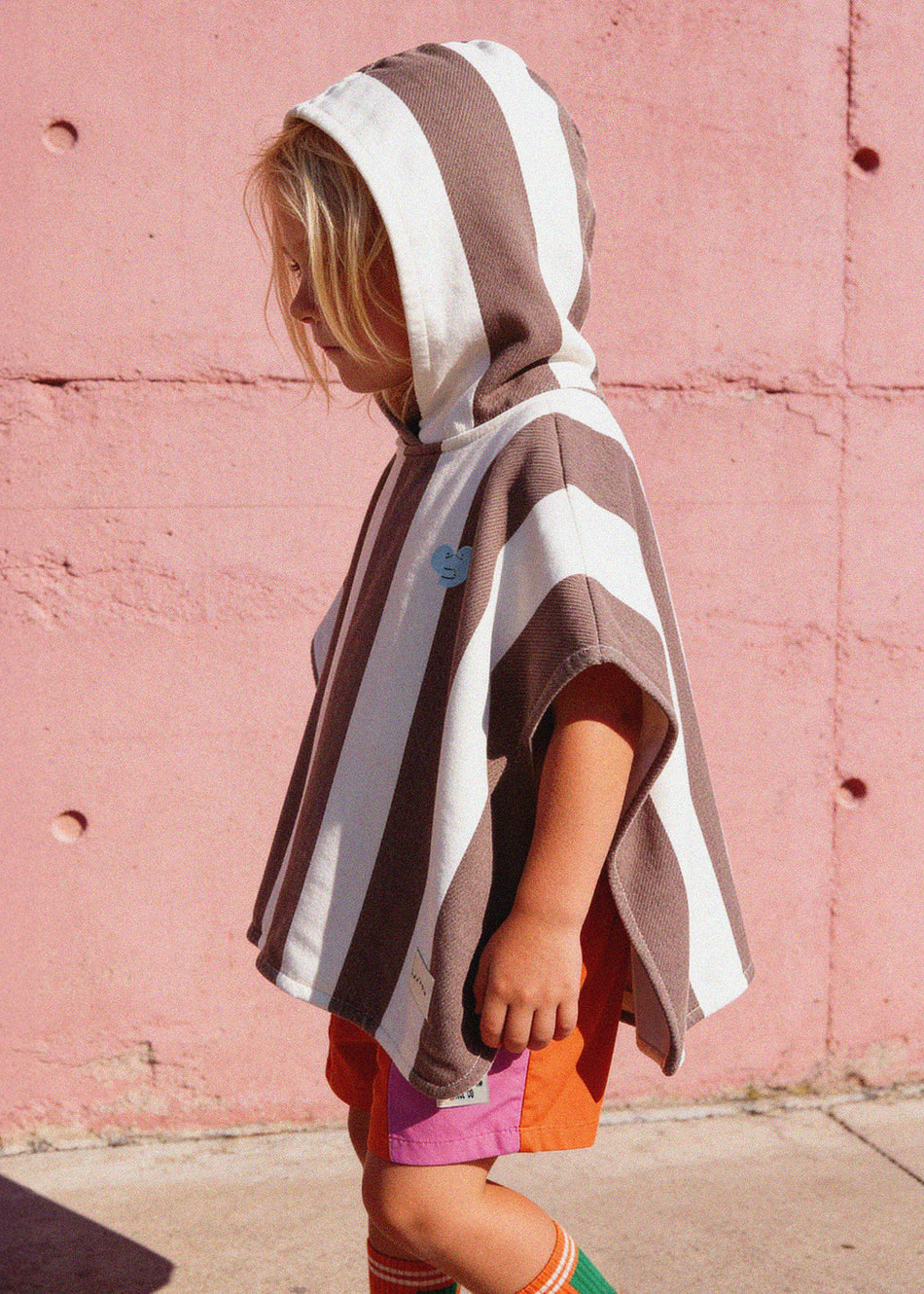
Products with multiple uses are particularly useful in everyday life: swaddle blankets, light blankets, sheets, bath towels or muslin diapers . When one element fulfills several roles, it is easier to maintain order and consistency of stimuli.
How to choose children's textiles in the spirit of simplicity?
It's best to base your material selection on simple functional criteria. This approach reduces accidental purchases and facilitates the creation of a predictable environment.
-
fabric composition and weave, with an emphasis on naturalness and airiness;
-
soft to the touch and no skin irritating elements;
-
easy to care for and can be washed frequently without losing comfort;
-
universal use at home and on the go;
-
subdued aesthetics that do not increase stimulation in the sleep zone;
-
transparent information about origin and manufacturing standards.
A simple daily routine as a "filter" of stimuli
Even the best-designed room won't work if the daily rhythm is chaotic. Simplicity also means repeatable sequences: similar nap times, calm transitions between activities, and a short, consistent evening ritual. Children don't have to guess what's coming next, which reduces stress.
It can be helpful to introduce a consistent cue at the end of the day, such as a bath and gentle drying with a towel, followed by wrapping the baby in a light fabric. The consistency of tactile and thermal stimuli often creates a "safe frame" within which it's easier to fall asleep.
Peace in everyday life built with simple choices
Simplicity in a child's environment is a practical support for development – it helps regulate emotions, promotes concentration, facilitates sleep, and organizes daily rituals. The best results come not from perfection, but from consistency: fewer intense stimuli, a more predictable space, and skin-friendly materials.
Parents who choose textiles in the spirit of minimalism often choose natural fabrics and universal solutions for everyday use. In the context of selecting materials and their properties, it can also be helpful to discuss properties of bamboo fibers in children's accessories .
Endless Hugs' offer includes bamboo swaddles, among others. (made of bamboo viscose) and muslin, children's bedding, towels and bath accessories, created with attention to the simplicity of form and Polish origin of the products - which can be an additional value for people looking for a coherent, peaceful environment for a child.