


Tenderness in everyday life - what truly builds a sense of closeness?
Tenderness is not a one-time gesture or a "skill" to be perfectly mastered. It's the repeatable, predictable presence of an adult, through which a child learns that their needs are important and noticed. In everyday life, closeness is built by small rituals: touch, voice, eye contact, calm care, and responsiveness to signals. This article clarifies what genuinely supports bonding and suggests practical ways to incorporate more tenderness without sensory overload and without the pressure of "perfect parenting."
What is tenderness and why does it work?
Tenderness is a form of mindful response to a child's needs, expressed in a way that feels safe to them. It can take the form of touch, tone of voice, a soothing routine, or shared silence. Its effectiveness stems from the fact that a child doesn't have to "earn" closeness—they experience it as a constant element of the relationship.
In practice, tenderness supports emotional development by strengthening a sense of security. When a caregiver responds calmly and consistently, the child can regulate stress more easily, and everyday situations—bath time, falling asleep, getting dressed—can be associated with less tension.
Closeness is not intensity, but repeatability
Many parents look for "grand" gestures, yet the bond grows in micro-moments: in how a spoon is offered, what a goodbye looks like, how a reassuring "I'm here" sounds. Repeatability helps a child predict the world and understand that the caregiver is available.
In everyday situations, simple routines that can be maintained even on busy days are especially helpful:
-
a short, consistent greeting and goodbye ritual;
-
naming the child's emotions before behaviors and requests appear;
-
eye contact during feeding, dressing, holding;
-
a consistent sequence of evening steps: bath, drying, cuddling, sleep;
-
a calm response to crying – without judgment or shaming.
Soothing touch - how to support emotional regulation?
Touch is one of the simplest tools for fostering a sense of closeness, as long as it's adapted to the child's sensitivity. Not every child wants intense cuddling, but many benefit from gentle, predictable forms of contact—for example, a hand on the back, stroking an arm, or being swaddled after a bath.
What helps when a child is overstimulated?
Overstimulation often looks like a "bad mood," crying without a clear reason, difficulty falling asleep, or reluctance to get dressed. In such moments, tenderness means fewer stimuli and more calm. It's worth focusing on reducing sounds and light, and on simple, slow gestures.
Helpful actions can be organized into a short list:
-
speaking more quietly and slowly, in short sentences;
-
swaddling the child in a soft, breathable fabric in a calm place, for example, a newborn swaddle blanket;
-
slow rocking or constant hand pressure on the back instead of intensive carrying;
-
a repetitive phrase that signals security, for example, "I'm here with you";
-
a moment of break from talking and playing - even 2-3 minutes of silence.
Swaddling as a signal of security
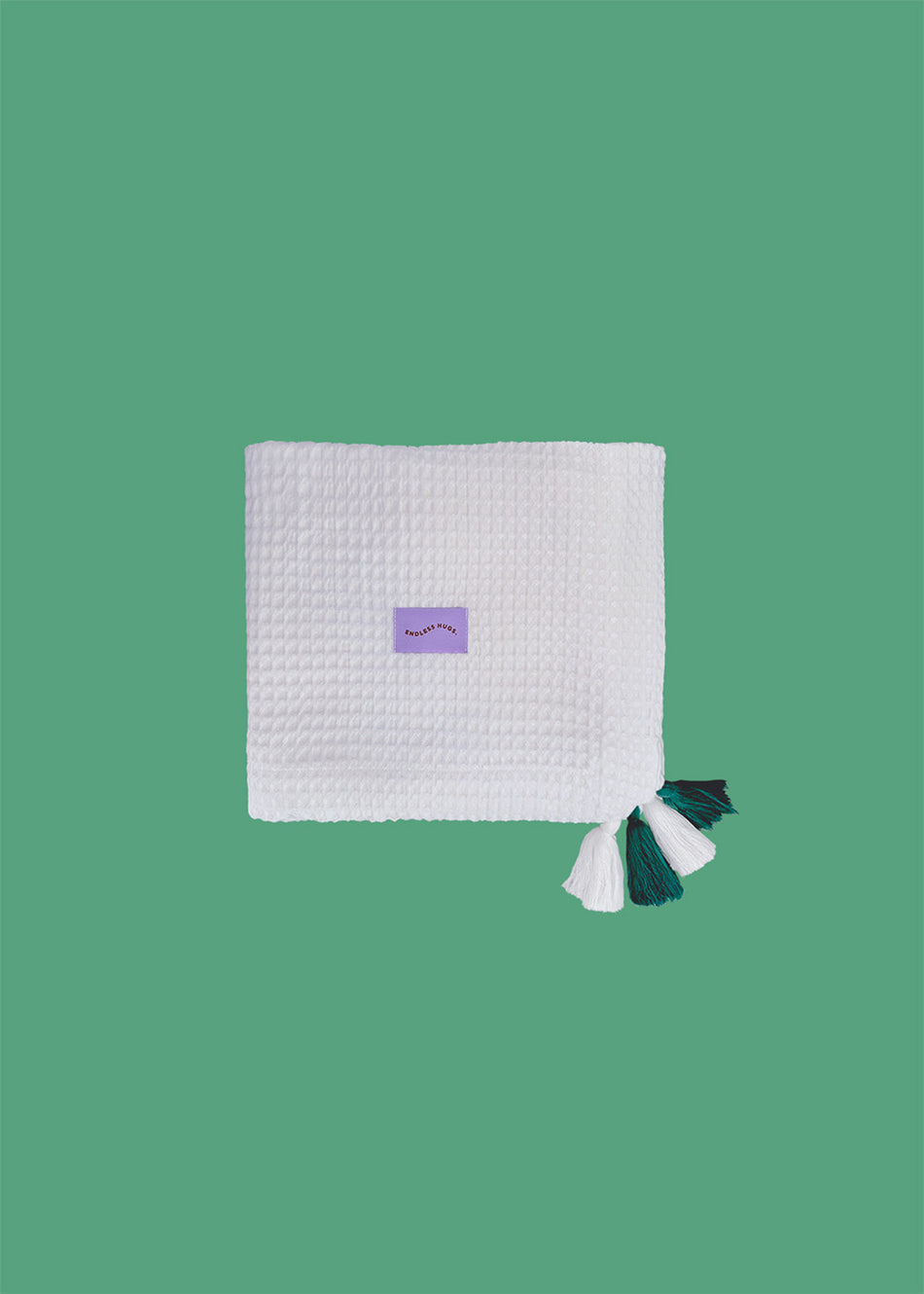
Swaddling is particularly important in infancy, but also later when a child needs calming. The key is that the fabric should be gentle on the skin, breathable, and pleasant to the touch, as discomfort can increase tension. Natural materials used in swaddles and blankets—such as cotton (including muslin) or linen—work great in everyday life, as they promote comfort and can accompany naps, walks, or post-bath time, and a lightweight baby blanket can be a convenient part of such a "calming set."

The language of closeness - words that regulate
Tenderness is also a message: "I see you and I understand." The most supportive words are those that describe, not judge. Instead of accelerating a child's emotions, it's better to name them and set safe boundaries.
It's worth using short phrases that don't escalate tension:
-
"I see this is difficult";
-
"I'm here, we'll breathe together";
-
"you can be angry, you don't have to be alone";
-
"we'll try again, slowly";
-
"first a hug, then action."
Care rituals as a space for connection
Closeness often arises in activities that must happen anyway: bathing, drying, moisturizing, diaper changing, hair brushing. When performed in a hurry, the child may feel tension. When they become predictable and gentle, they build trust.
Bathing and drying - how to turn a chore into calm?
After a bath, a child can be warm and sensitive to cold, so pace and touch are important. A soft baby bath towel made of skin-friendly fabric and gently dabbing the material on the body, instead of intensive rubbing, promote comfort. A simple rhythm is also helpful: drying, a moment of cuddling, a calm voice, dressing.
In daily practice, such small things help:
-
preparing the towel and clothes before the bath to avoid interrupting contact;
-
drying by dabbing, especially in skin folds;
-
a consistent sequence of steps, so the child knows what will happen next;
-
warm, subdued light in the bathroom or room;
-
a short pause for a hug before dressing begins.
Tenderness and boundaries - why one doesn't exclude the other?
Closeness does not mean abandoning boundaries. A child feels safer when the adult is gentle but firm. Boundaries are a form of care, as long as they are communicated calmly and consistently. Tenderness in such moments means that the child's emotions are accepted, and their behavior is guided in a safe direction.
Examples of communication that combine warmth and structure:
-
"I won't let you hit, you can stomp or squeeze a pillow";
-
"I see you're angry, but now we brush teeth, then a story";
-
"you might not like getting dressed, I'll help you step by step";
-
"I'm stopping you because it's dangerous, I'm right here";
-
"I understand you want more, we're finishing today, we'll come back to it tomorrow."

The importance of environment - fabrics and stimuli matter
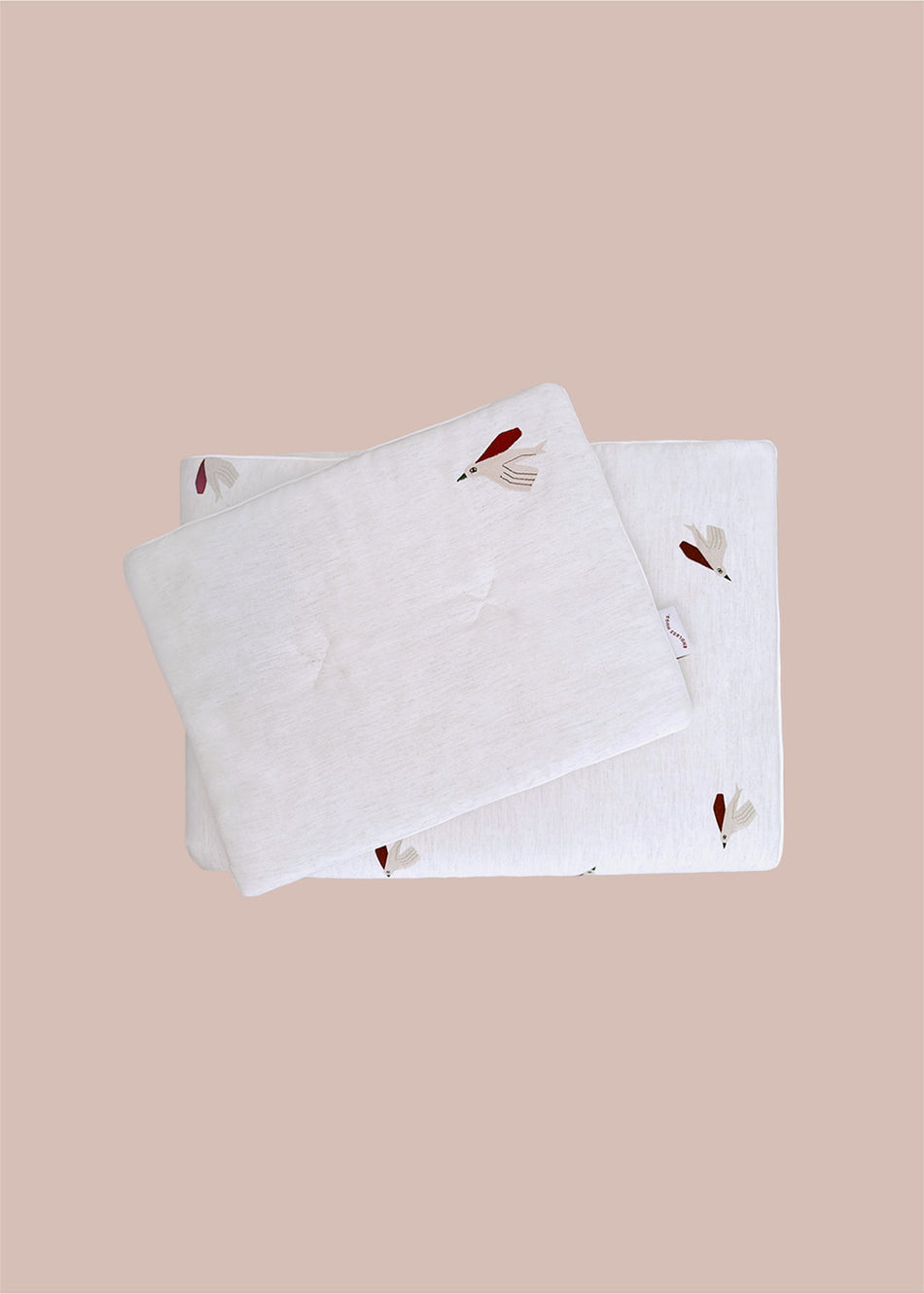
Tenderness also means caring for the conditions in which a child rests and calms down, which is why the choice of bedding for children and infants should be based on breathability and pleasant contact of the material with the skin. Sensitive skin and the nervous system can react to rough material, overheating, or an excess of stimuli. Fabrics such as cotton or linen are often chosen for their breathability and pleasant touch, which promotes calm sleep and care rituals.
It is worth paying attention to elements that subtly support everyday closeness:
-
soft, breathable textiles next to the child's skin, for example, light coverings such as newborn swaddles;
-
reducing rustling and irritating tags and seams;
-
a simple, calm space for falling asleep;
-
a repeatable "calming set": cover, dim light, silence;
-
bath accessories that do not irritate the skin and allow for gentle drying.
Final tips for more tenderness in an ordinary day
A sense of closeness is built through the quality of small interactions, not through a perfect plan. The most important thing is to match gestures to the child's temperament and the caregiver's capabilities, so that tenderness can be realistically maintained.
If simple reference points are needed, it's worth basing the day on three pillars:
-
presence - even brief, but attentive;
-
predictability - rituals that the child recognizes;
-
gentle touch - adapted and unobtrusive.
This approach also includes small choices: a calm tone, the pace of activities, and sometimes even the textiles that accompany the child from bath time to sleep. In the context of swaddling and breathable materials, the guide: why choose a bamboo swaddle for newborns, can also be helpful. Natural swaddles, bedding, towels, and bath accessories sewn in Poland, created with delicate skin and daily rituals in mind, can align with the idea of tenderness as daily care. This is the philosophy that Endless Hugs cultivates, combining natural fabrics with a mindful approach to the needs of the youngest and their caregivers.