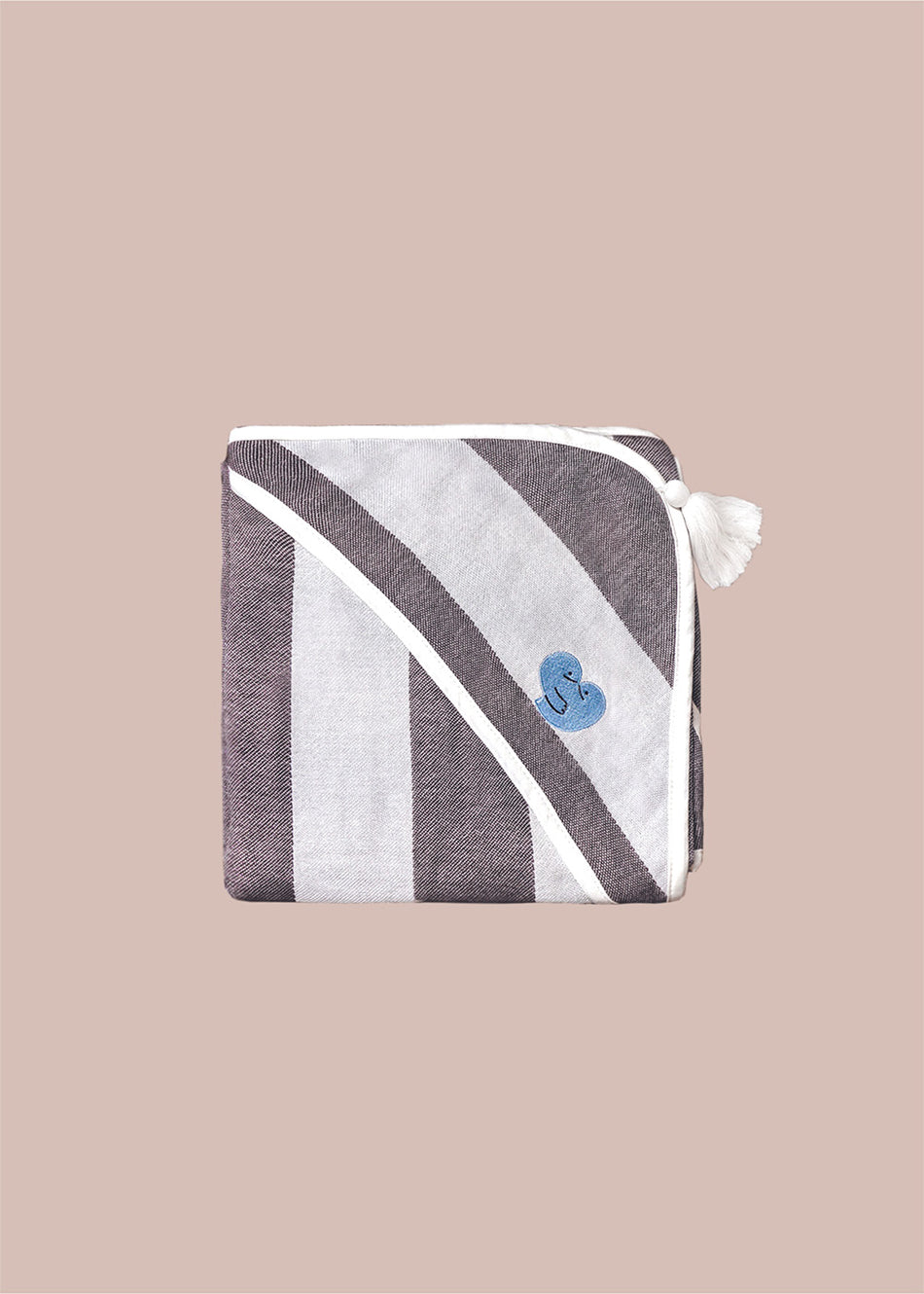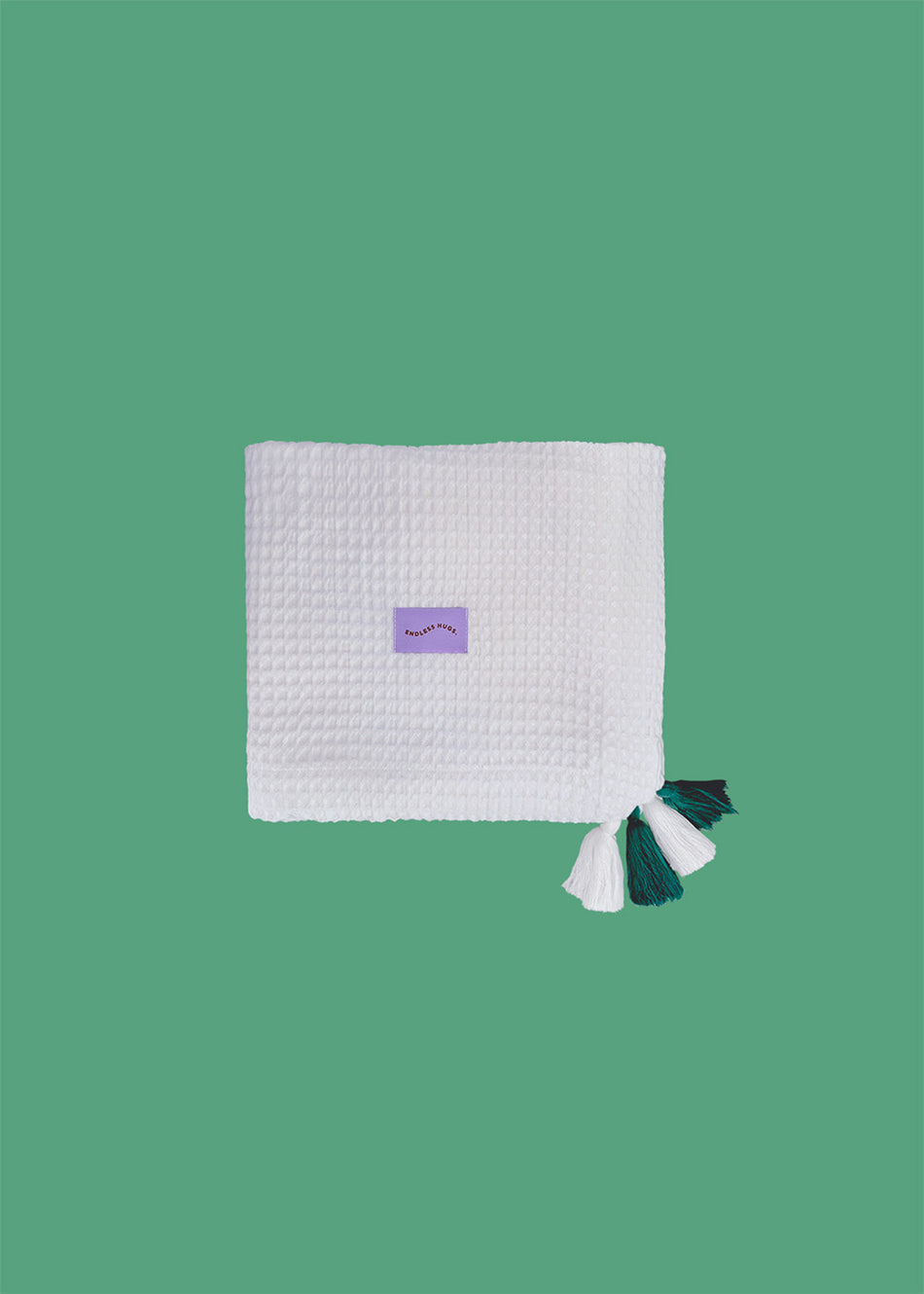



Everyday comfort with a baby - how do textiles affect the rhythm of the day?
A baby's daily rhythm is built gradually, through repetitive activities and familiar surroundings. Sleep, feeding, care, and moments of activity intertwine throughout the day, creating a structure that helps the baby feel safe and predictable. Textiles play a crucial role in this process—everyday items that accompany almost every one of these activities. Their properties, functionality, and organization can truly impact the flow of the day and the comfort of both the baby and their caregivers.
Baby's daily rhythm - why does it matter?
The daily rhythm is not a rigid schedule, but a natural progression of repetitive activities. A baby learns to recognize moments of rest and wakefulness through the regularity of stimuli and environmental conditions.
Repeatability as a source of security
Consistent elements, such as similar textiles used for sleeping or feeding, help the baby associate specific situations with a specific state—either calm or activity. In practice, a consistent base in the sleep area, such as sheets and fabrics with familiar textures, makes a big difference.
The influence of the environment on the regulation of emotions
Familiar textures, scents, and soft materials promote calm. This helps your baby transition more easily between the different stages of the day. It's also worth remembering that with sensitive skin, it's not just the softness of the fabric that matters, but also the breathability.
Morning - a gentle start to the day
The beginning of the day is a time of gradual transition from sleep to activity. The textiles we wear in the morning should support this process, providing comfort and freedom of movement.
Textiles for changing and dressing
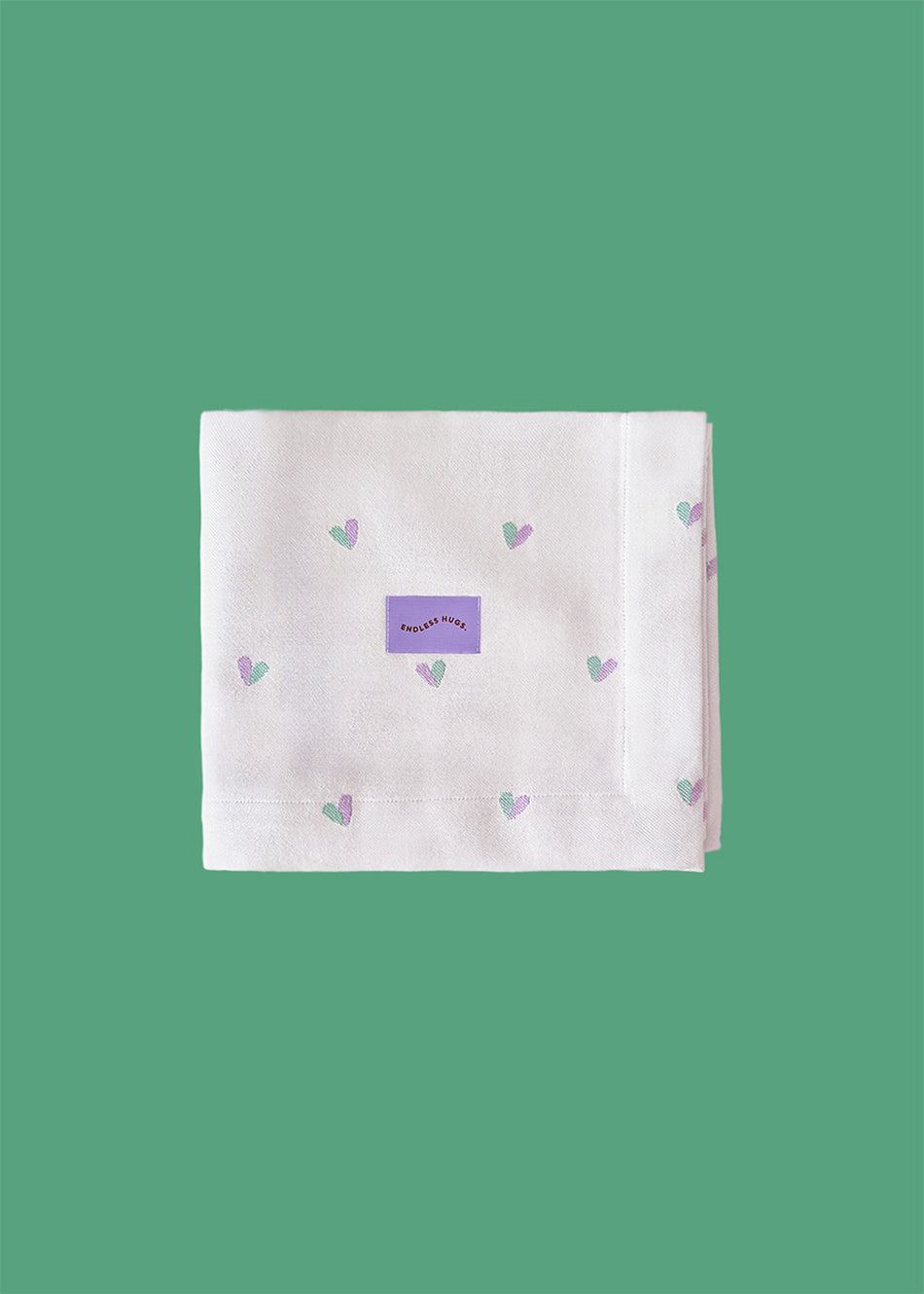
Soft, pleasant-to-the-touch fabrics make morning care easier. Gentle skin contact helps keep your baby calm during diaper changes and dressing. Lightweight fabrics that can be quickly changed, such as muslin diapers used as a base or cover.
The role of light clothing
Lightweight blankets or muslin swaddles allow you to regulate the temperature depending on the room conditions without the need for thick layers. Bamboo swaddles can be helpful in practice , as they can be used as a thin layer for wrapping at home.

Daytime Naps - The Importance of Constant Signals
Naps are an important part of a baby's daily routine. Their quality depends not only on the child's tiredness but also on the conditions in which they fall asleep.
Familiar textiles as a sleep signal
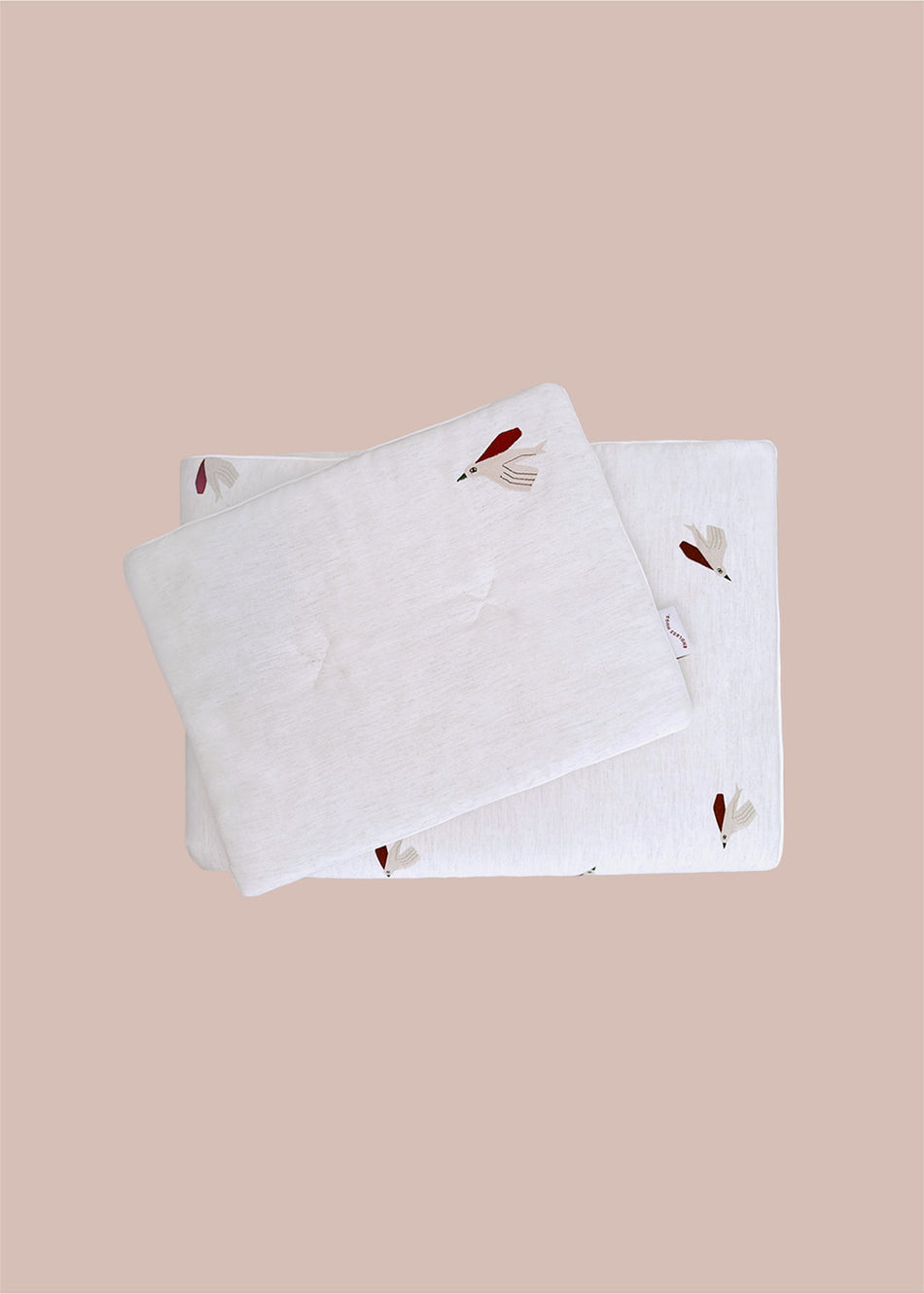
Using the same fabrics for naps helps build associations with rest. The consistent texture and scent of the fabric helps your child wind down faster. Many families encourage this consistency by keeping similar elements in the sleep area, for example. bedding for children and babies in constant rotation.
Breathability and thermal comfort
Natural materials allow air to circulate, which is especially important for shorter naps during the day, taking place at different times and in different conditions. Instead of one heavy layer, it's easier to adjust the cover with lighter fabrics that can be adjusted to the ambient temperature.
Feeding - comfort and closeness
Feeding is one of the most repetitive parts of the day. The fabrics used during this time impact the comfort of the baby and caregiver, as well as the flow of the activity itself.
Textiles that support ergonomics
Soft, lightweight fabrics can act as a cover, a base, or an additional layer. This makes it easier to maintain a comfortable position and allows you to focus on closeness. In practice, multi-purpose solutions are useful, for example: Bamboo diapers used as a cover or thin protective layer.
Easy to keep clean
Nursing textiles are frequently laundered. Materials that dry quickly and stay soft promote a smooth day and reduce the need to carry a large number of spare items. A multifunctional approach helps with rotation planning, as illustrated by this post. muslin blanket - how to use it in 10 different ways .

Time for activity and fun
The waking moment is an opportunity for observation, movement, and initial interactions. Textiles often serve as a backdrop for activity during this part of the day.
Safe space on the floor
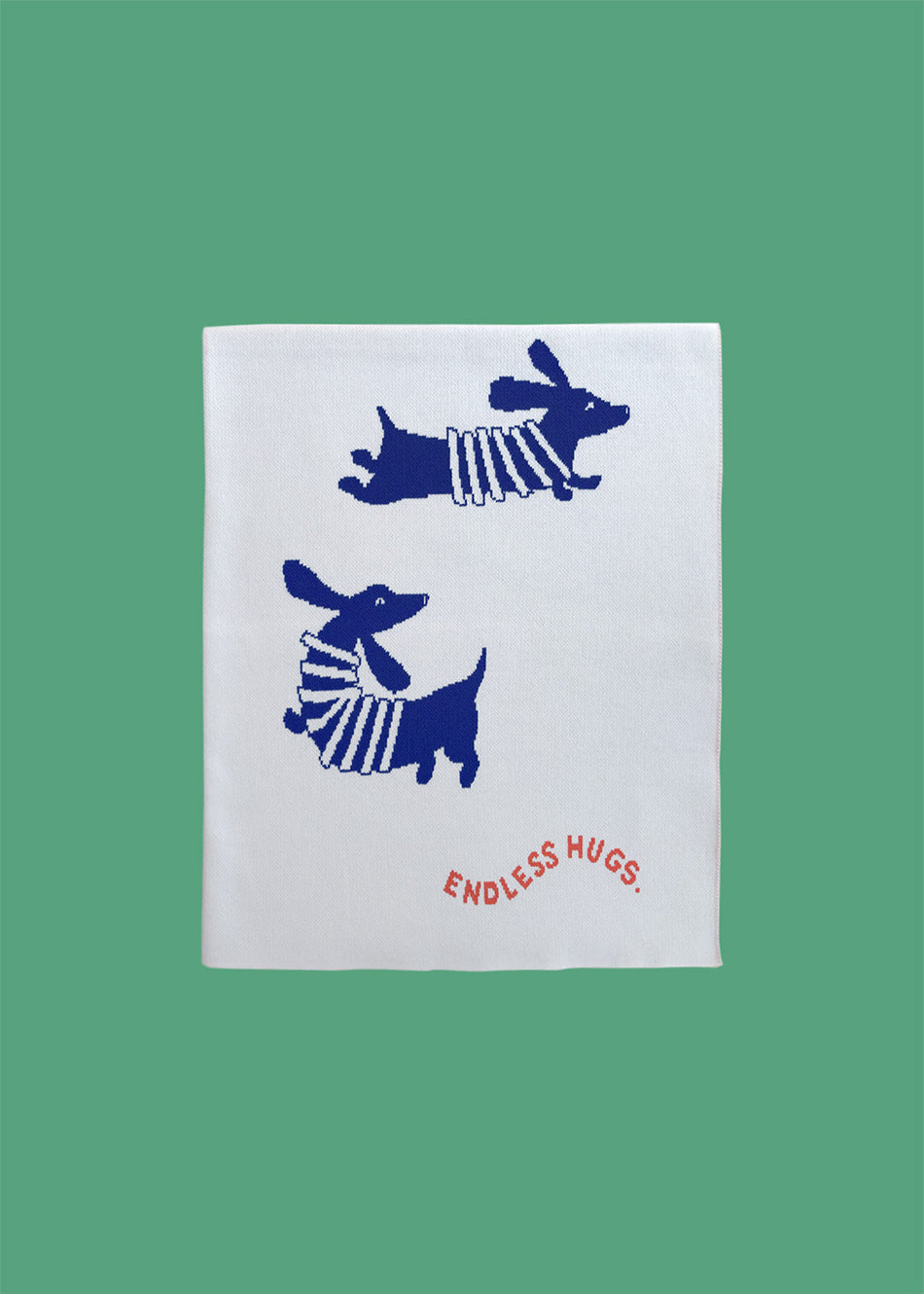
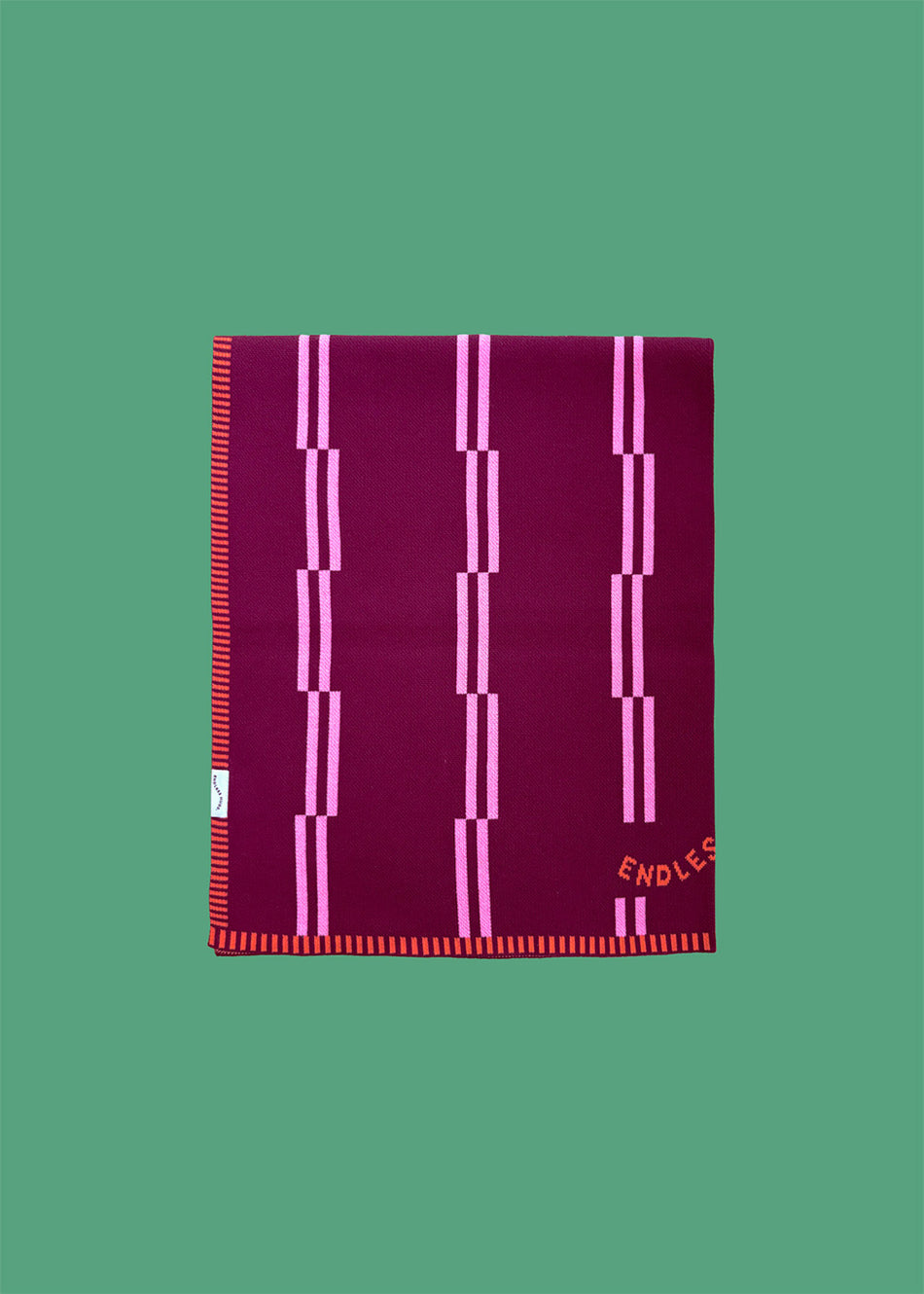
Blankets and mats made from natural materials create a soft, stable surface for lying and playing. Their multi-purpose nature allows for easy rearrangement of the space, and children's blankets are often useful for everyday use , as they can be quickly unfolded and stored away.
Freedom of movement
Lightweight fabrics do not restrict your child's movements and allow them to explore their surroundings safely.
Evening - winding down and preparing for sleep
The evening portion of the day promotes calm and a gradual transition to nighttime sleep. Textiles act as signals to end activity.
Fixed elements of the evening routine
Using the same fabrics for bathing, wrapping, and sleeping helps your child recognize moments of calm. Repetition helps build a predictable rhythm, and in practice, a soft cover after washing is important, such as bath towels used daily in a consistent sequence.
Softness and comfort
Textiles with a delicate structure promote relaxation and help your baby fall asleep more easily.

Textile organization and the flow of the day
Even the best-chosen textiles won't fulfill their purpose if they're not readily available. The organization of space directly impacts the pace and comfort of daily activities.
Textiles at your fingertips
Keeping frequently used products where they're needed reduces clutter and shortens the time it takes to respond to your child's needs. This is especially helpful when the same products are used in multiple areas of the home, such as lightweight covers and quick-change fabrics.
Rotation instead of excess
Regularly rotating textiles helps maintain order and avoid accumulating items that aren't currently in use. In practice, this is easier to maintain when your collection includes a few versatile items with similar properties.
What textile features best support your daily rhythm?
In everyday use, functionality is paramount. Several textile features particularly facilitate the flow of the day:
-
natural, breathable material,
-
light and easy to fold,
-
durability even with frequent washing,
-
multitasking,
-
consistent, subdued aesthetics.
Daily rhythm and environmental coherence
Textiles are part of a larger whole – the home environment. A coherent environment, where the same materials appear at different times of the day, helps children navigate daily rituals.
Familiarity and predictability
Constant elements in the environment support a sense of security and help the child respond better to changes between sleep, activity and rest.
The most important conclusions for everyday comfort
Textiles are not just accessories, but tools that support a baby's daily routine. To truly enhance comfort, it's worth remembering a few rules:
-
select textiles for specific moments of the day,
-
choose natural, skin-friendly materials,
-
use products with several uses,
-
ensure easy access and simple organization,
-
maintain visual and functional consistency.
Everyday comfort with a baby is built from small, repetitive elements. Textiles with the right properties help maintain the flow of the day and support the baby's natural rhythm. This approach is consistent with the Endless Hugs brand philosophy , which emphasizes functionality, natural materials, and solutions tailored to the real needs of everyday life with a baby.