

What stops being needed at home at the end of winter - the natural selection of things
The end of winter is a moment when the home itself “suggests” what no longer suits daily needs. The temperature changes, the rhythm of the day, the number of layers of clothing, as well as the way childcare is organized for infants and young children. The natural selection of things involves calmly reviewing household resources and keeping what supports comfort, hygiene, and safety, while limiting excess.
In families with children, it's worth treating this process as a seasonal practice: lighter textiles on top, winter accessories in storage, and worn-out or ill-fitting items for the child's developmental stage out of daily circulation. Below is an organized list of areas where the spring change is most noticeable.
Natural selection after winter - the three-question rule
Before putting away or donating anything, it can be helpful to ask three simple questions. They help avoid hasty decisions and make tidying up more predictable.
-
will the item be used in the next 4-8 weeks;
-
is it in good condition, without loss of function or hygiene;
-
does it meet the child's current needs, including size, skin sensitivity, and developmental stage.
If the answer to two of the three questions is "no," the item usually stops being needed for daily use and can be moved to seasonal storage, for repair, or out of the house.
Textiles that become too "wintry"
As temperatures rise, some winter textiles start causing overheating, which can worsen sleep comfort and body temperature regulation. In infants, thermoregulation is less mature than in adults, so the choice of layers is of practical importance. In practice, it's easier to switch to lighter layers when there is breathable bedding for children and infants in the sleep area, and the cover can be adjusted depending on the bedroom temperature.
What should be removed from daily use?
This most often applies to layers that were indispensable in winter but become "too heavy" in spring. It's worth paying particular attention to these items.
-
thick blankets and throws used daily if the child sweats more often;
-
warm sleeping bags when the bedroom gets warmer;
-
several layers of bedding in the crib that hinder air circulation;
-
too thick sheets or protectors if they restrict air circulation.
What can replace them in practice?
In spring, breathable, soft, and skin-friendly fabrics are more often suitable, especially if the child is prone to heat rash or irritation. Instead of heavy coverings, it's better to rotate lighter solutions.
-
swaddles for newborns made of bamboo as a light layer for naps and walks;
-
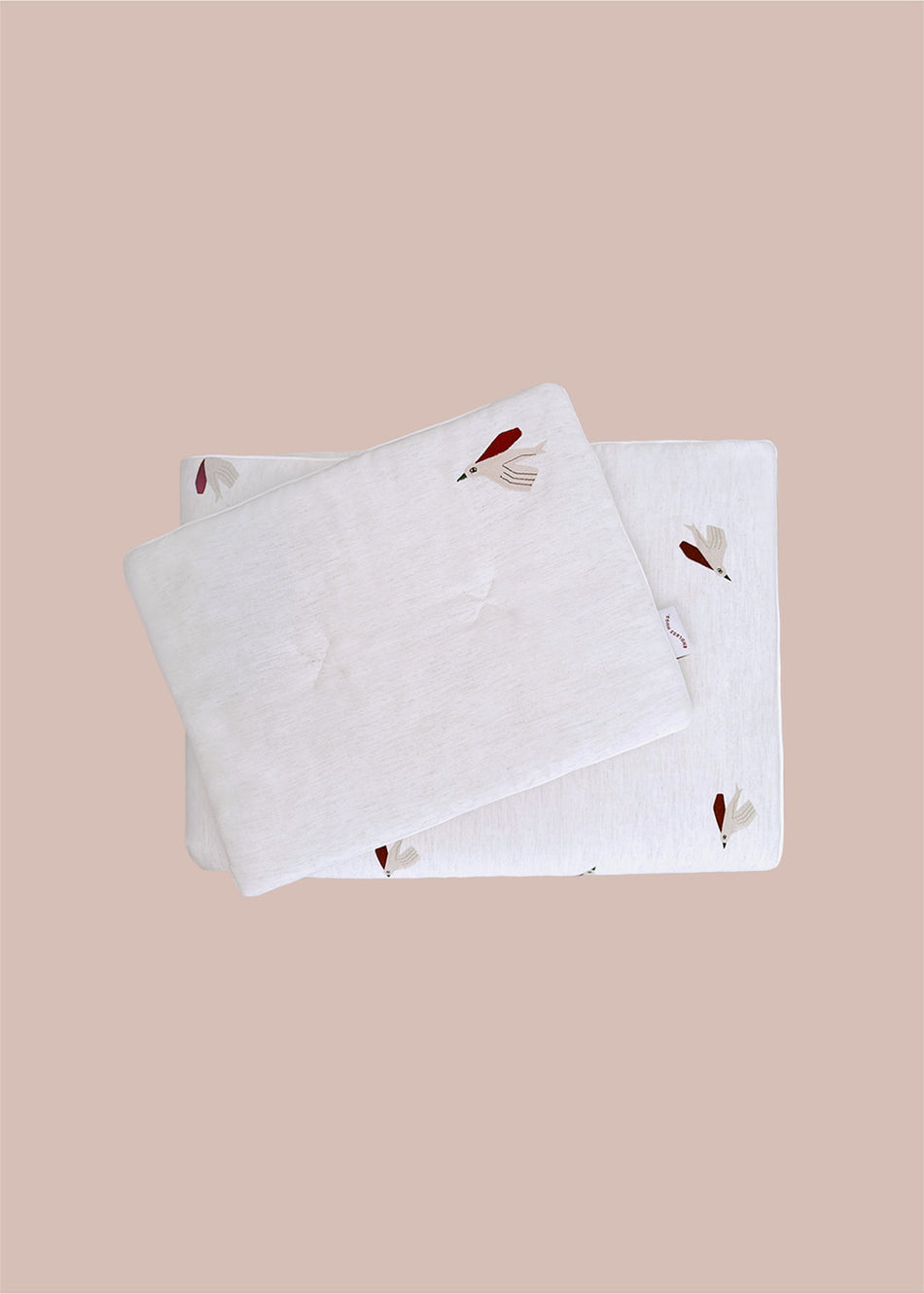
thinner children's bedding made of natural fibers, easy to wash and quick-drying;
-
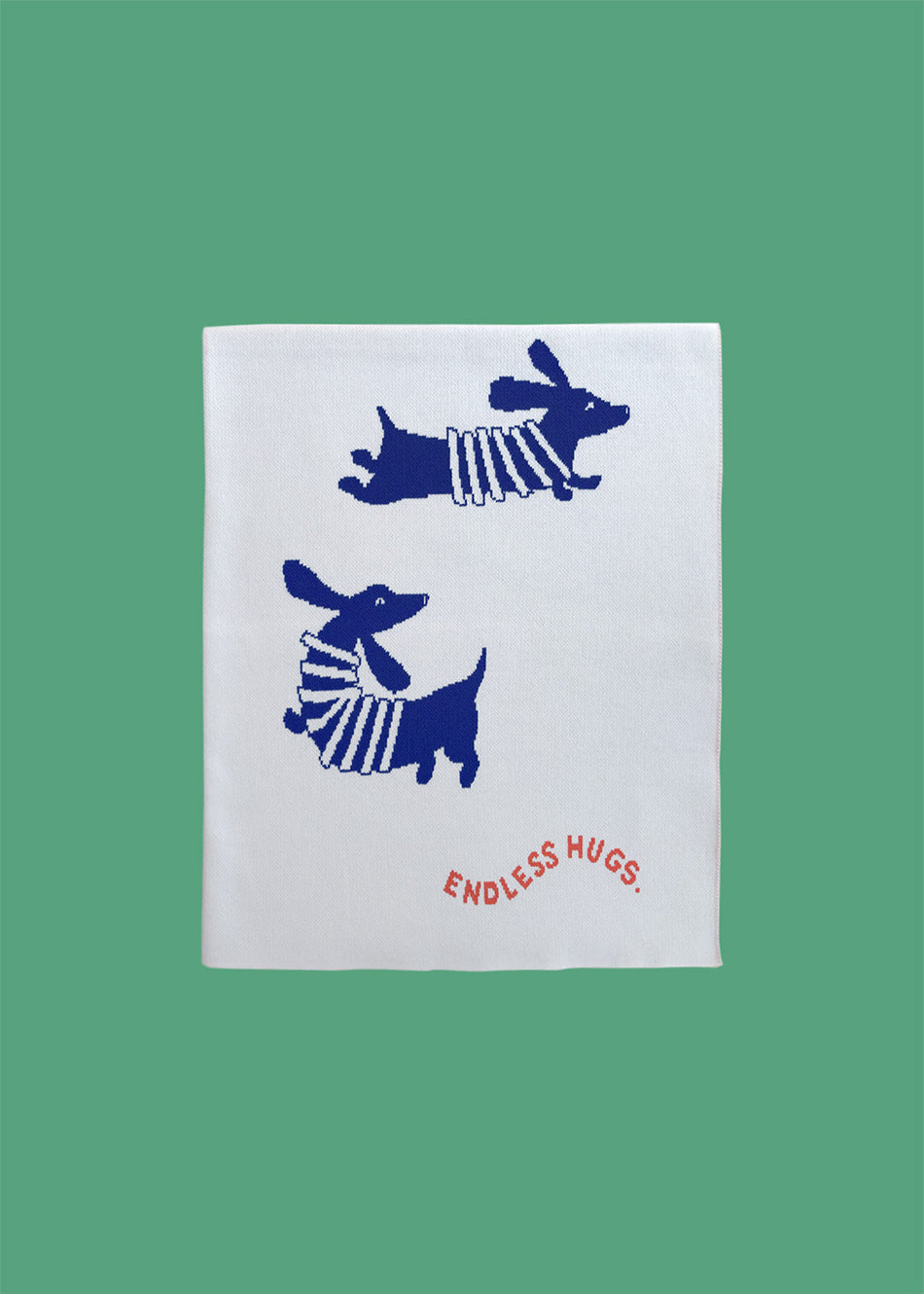
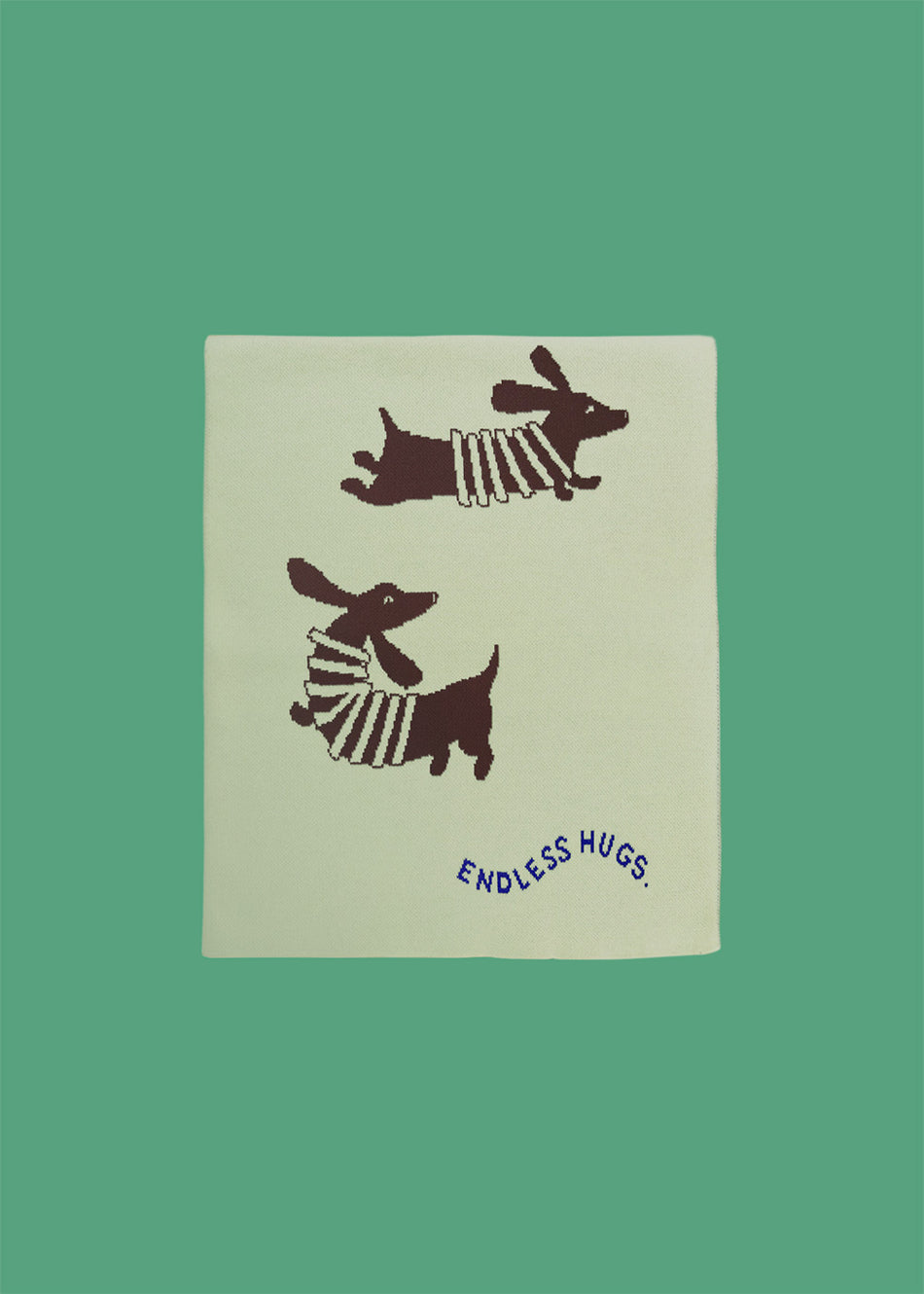
textiles that allow for layered covering, for example, a light baby blanket instead of one heavy throw;
-
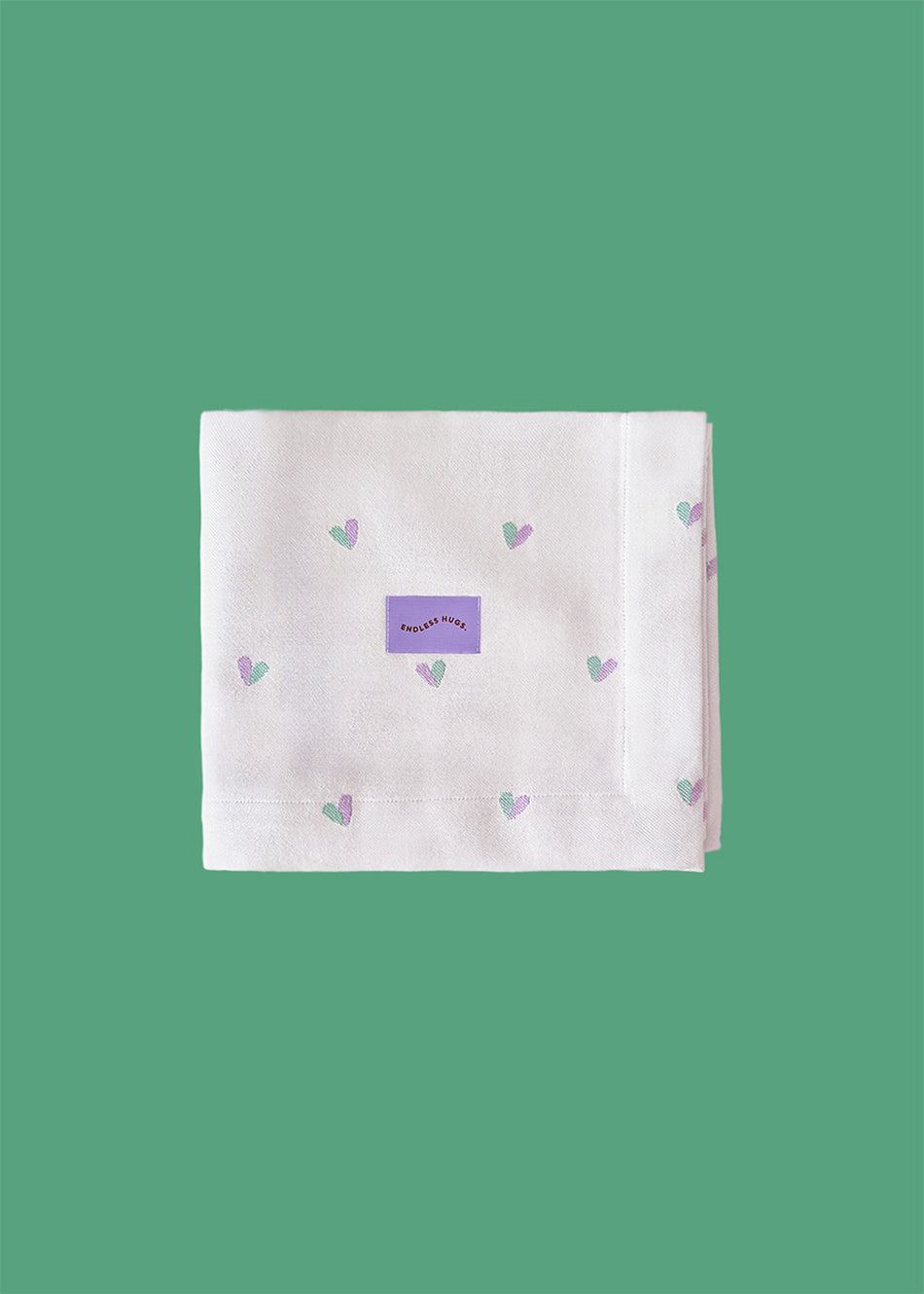
towels with good absorbency that do not require long skin drying after bathing.

Winter clothes and accessories - when do they stop making sense?
Putting away winter clothes is not just about changing wardrobes, but also an opportunity to check if items are still safe and comfortable. Children grow in spurts, and winter items can be particularly "size-sensitive."
Reviewing the child's wardrobe without frustration
It's easiest to start with practice: what hasn't been used in the last 2 weeks but is taking up space. When selecting, it's helpful to consider the ease of putting on and taking off, and the condition of the material.
-
snowsuits and insulated jackets, if forecasts do not indicate a return of severe frosts;
-
winter hats and neck gaiters, when the child switches to thinner headwear;
-
gloves and hand protectors that were only needed in low temperatures;
-
winter boots if they become too tight or the child changes their way of walking.
Clothes in good condition can be stored, while damaged ones can be treated as material for household crafts or donated to appropriate textile collections, in accordance with local rules.
Bathing and care - less about "warming," more about gentleness
In winter, homes are often drier, and baths can be longer and warmer. In spring, a child's skin may still react to dryness, but at the same time, overheating during drying and dressing is easier.
What can be simplified after winter?
Some elements of the winter routine are no longer needed daily. It's worth keeping what supports comfort and limiting what prolongs and complicates care.
-
too thick bath covers if the child sweats quickly;
-
excess layers of clothes put on "just in case" immediately after bathing;
-
products and accessories used rarely, which are difficult to keep clean;
-
textiles that take a long time to dry and therefore often acquire an unpleasant smell.
What to look for in bath textiles?
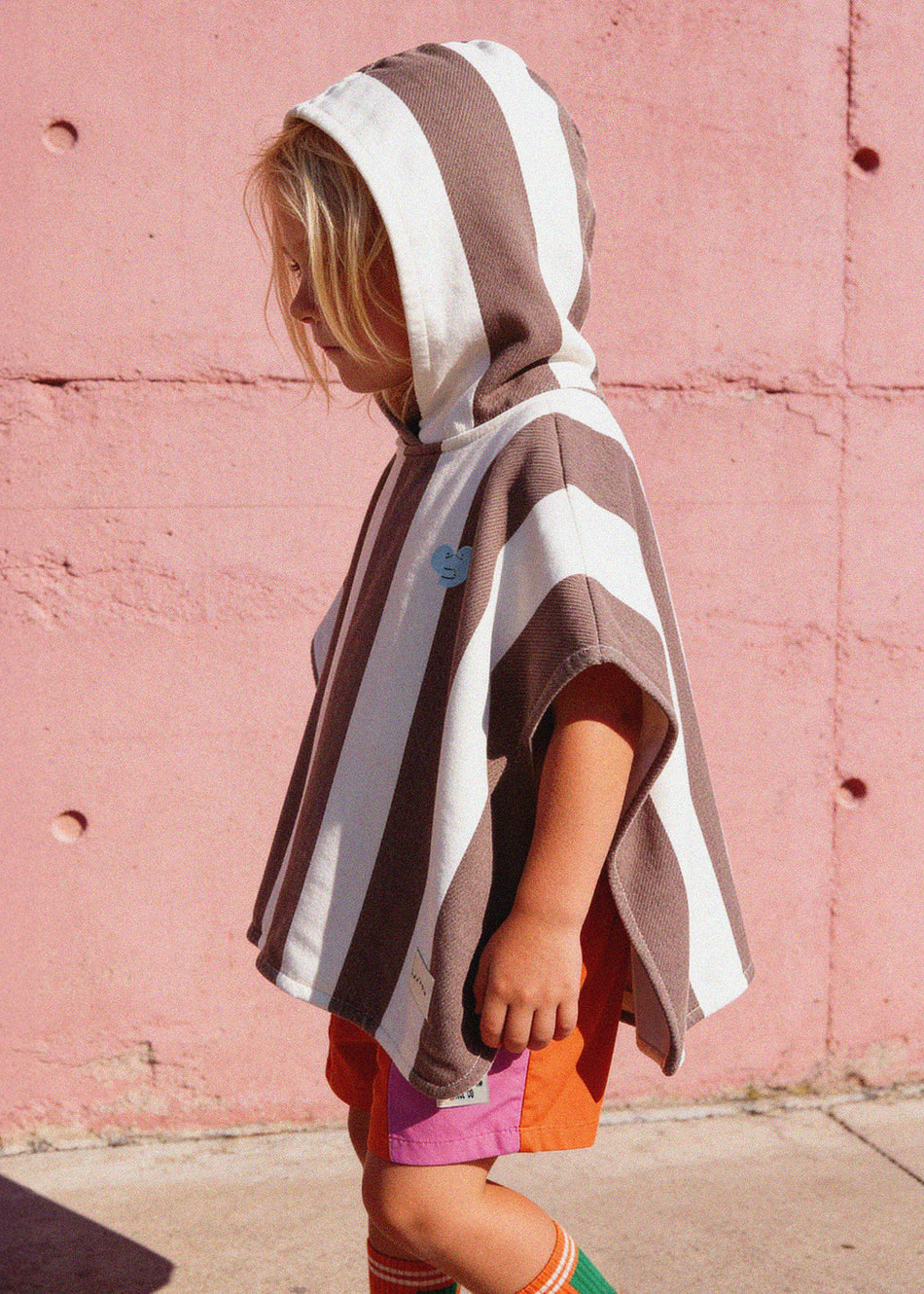
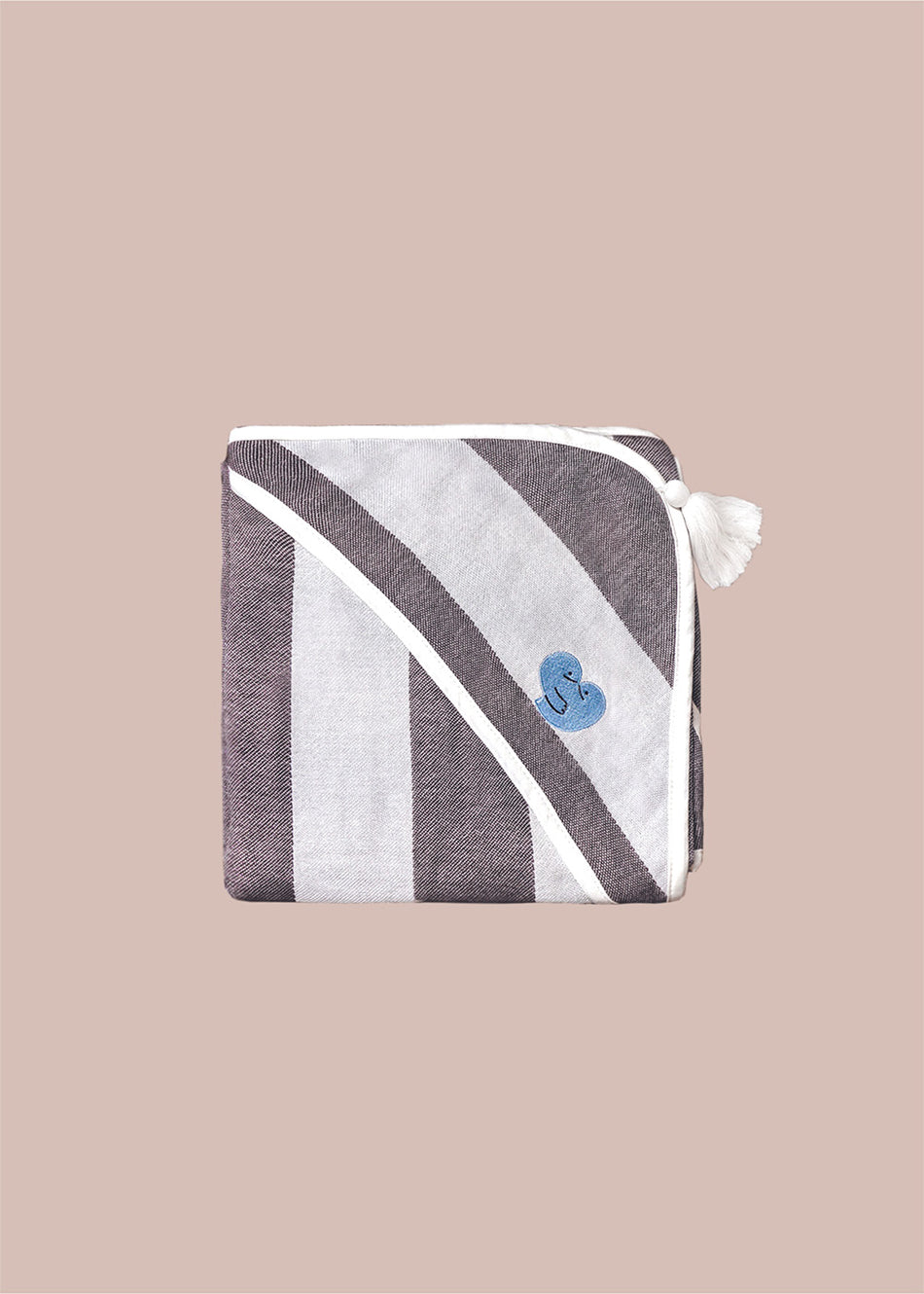
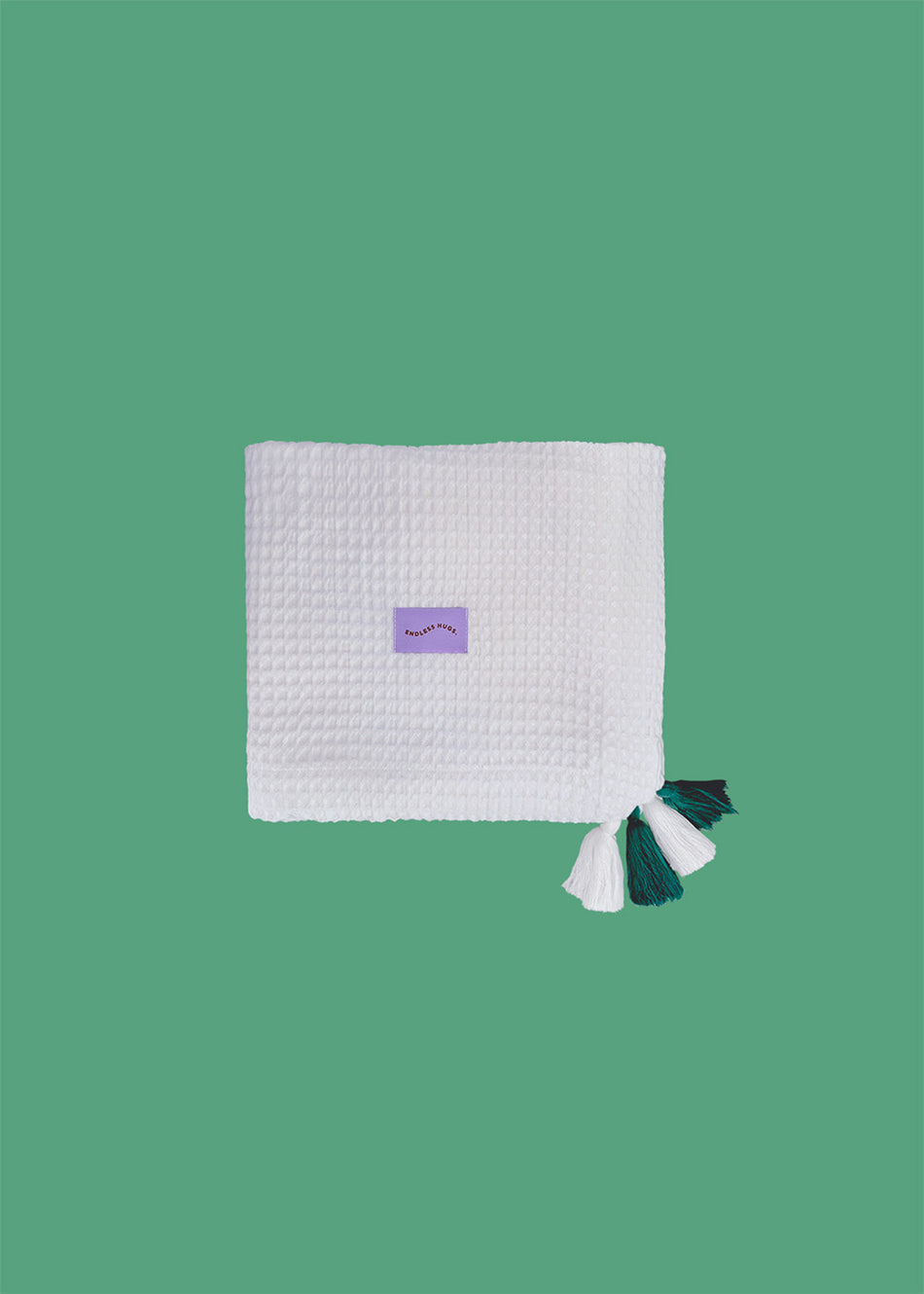
In practice, absorbency, softness, and hygiene matter, as well as how the material behaves after many washes. Therefore, the choice of a baby bath towel should be based on the quality of the fabric and the ease of maintaining freshness in the bathroom:
-
the towel should effectively dry without vigorous rubbing;
-
the fabric matters for sensitive skin prone to irritation;
-
quick drying facilitates maintaining freshness in the bathroom;
-
a simple form and good finish support long-term use.

Child's space - what stops supporting development with the change of season?
The end of winter is a good time to assess whether the child's environment still matches their current abilities. In spring, floor activities, greater mobility, and the need for easier daily organization appear more frequently.
Things that can "weigh down" the space
In many homes, there are trinkets that were useful at a specific moment but now hinder order and hygiene. When selecting, it's best to be guided by function and frequency of use.
-
seasonally used accessories that take up space in the daily area;
-
textiles difficult to wash if they get intensely dirty during play;
-
items inappropriate for age that do not support independence;
-
too many duplicates of the same item if they don't rotate in practice.
A good direction is to keep fewer items, but ones that are pleasant to the touch, easy to refresh, and safe for the child's skin.
How to store seasonal textiles so they return in good condition?
Selection doesn't have to mean getting rid of things. Some items will return in autumn if they are well prepared for storage. For textiles, cleanliness and complete drying are key:
-
wash according to recommendations and completely dry before storing;
-
avoid storing in damp places that promote odors and mold;
-
separate "for repair" textiles from those ready for use;
-
label seasonal packages with a simple tag to limit re-sorting.

Closing the season in a way consistent with family life
The natural selection of things at the end of winter involves relieving the home of what is too thick, too difficult to care for, or inappropriate for the child's developmental stage. In return, the daily circulation includes light, breathable, and easy-to-wash textiles, as well as accessories that support sleep, bathing, and rest comfort. If you need inspiration for choosing multi-purpose textiles for seasonal transitions, the entry "Muslin blanket - how to use it in 10 different ways" can be helpful.
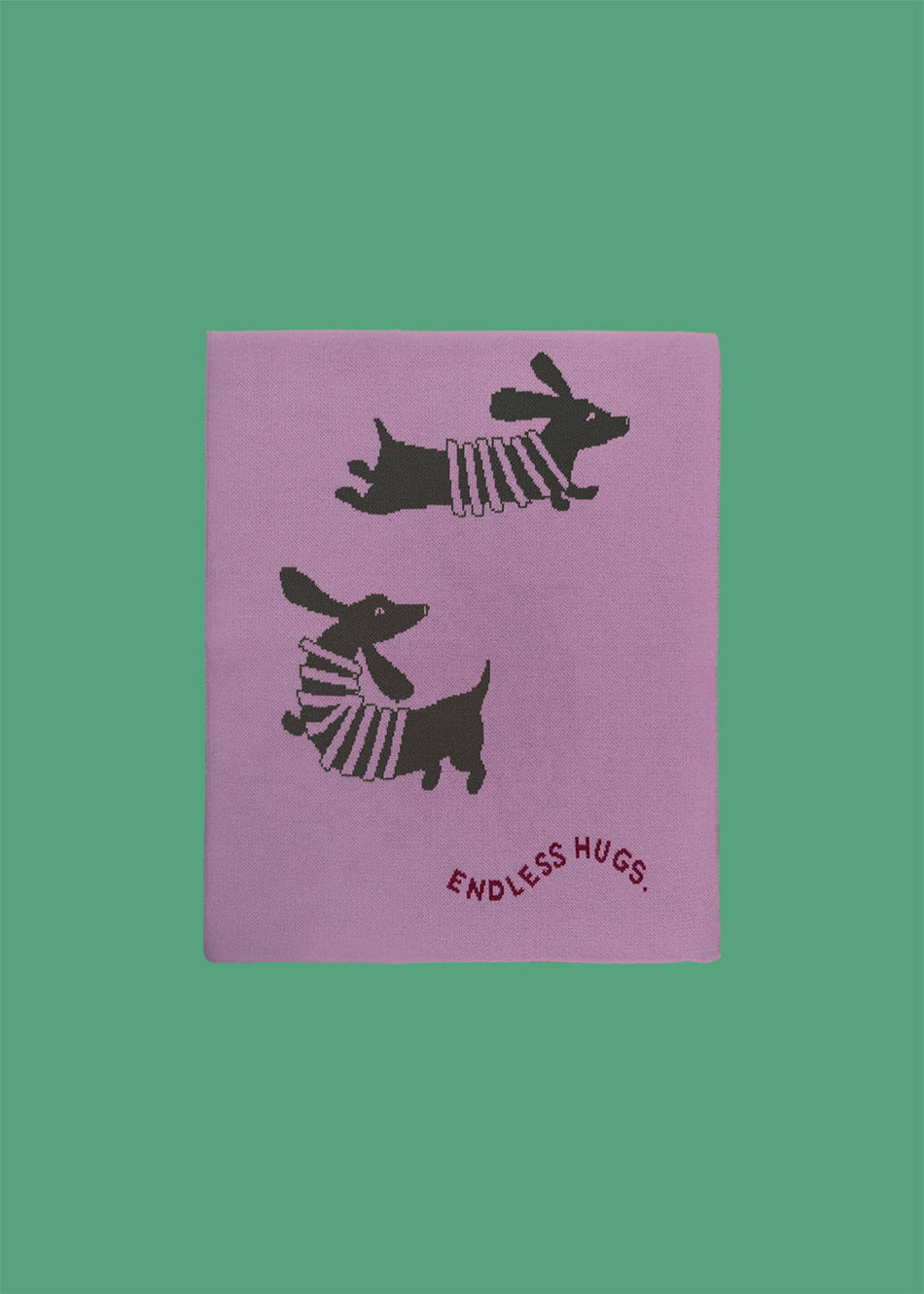
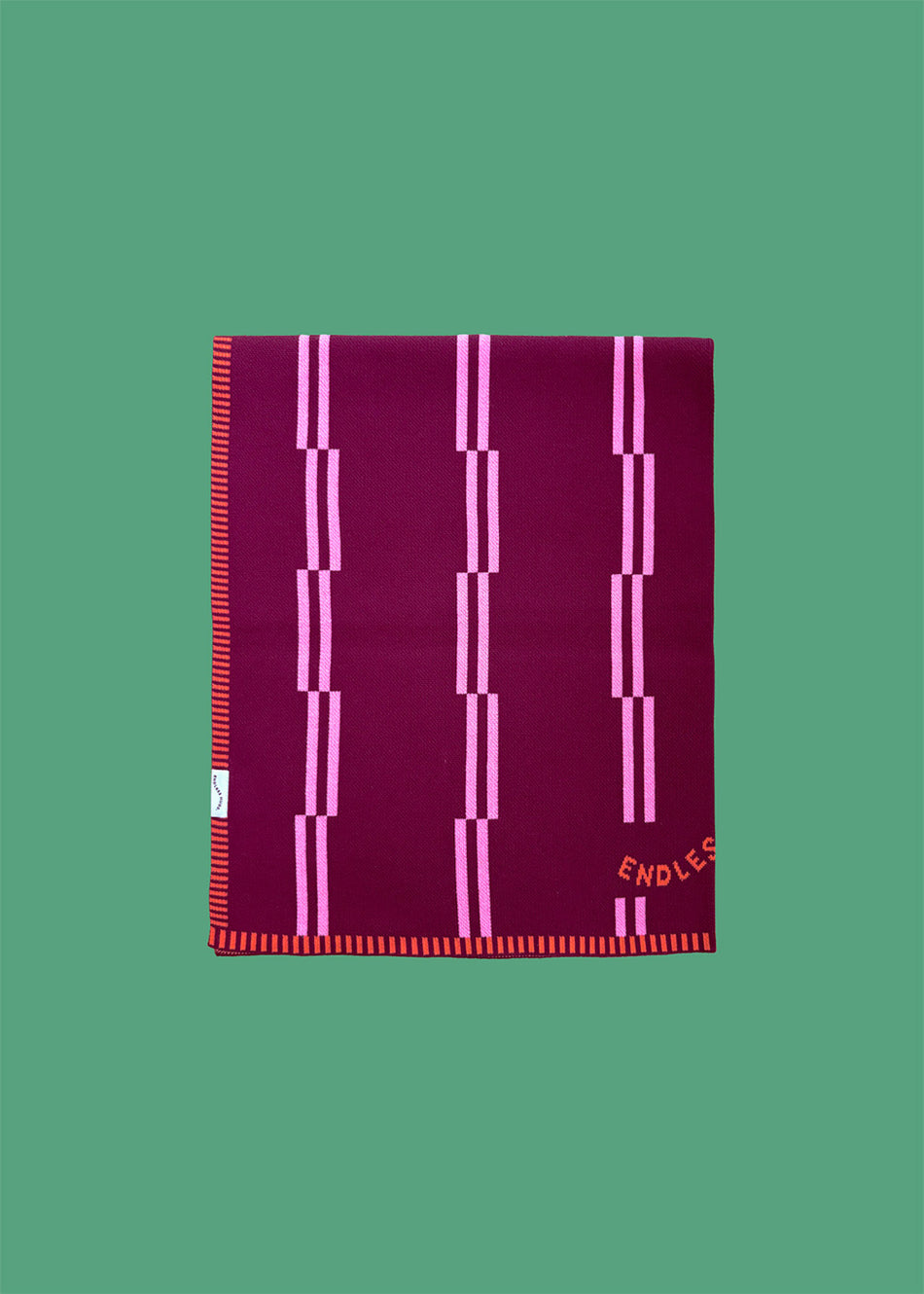
In the collections available at Endless Hugs, you can find bamboo viscose and muslin swaddles, children's bedding, and bath towels made of natural fabrics, designed with sensitive skin and daily functionality in mind. An additional value is the Polish origin of the products, which facilitates conscious choices and supports local craftsmanship and quality standards.