

What really needs to be “childish” in a home and what can remain neutral?
When a child arrives at home, it's easy to fall into a pattern: everything should look "childish" – colorful, thematic, with specific motifs. In practice, most families quickly appreciate other criteria: safety, hygiene, ease of cleaning, durability, and the ability to adapt items to changing developmental stages. A neutral home base doesn't mean sacrificing childlike joy – rather, it allows you to wisely decide which elements should truly be dedicated to the child and which can remain universal and "grow" with the family.
What does it mean for something to be "childish" - a practical definition
In everyday life, "childlike" shouldn't just mean a pattern with fairy tale characters. The most sensible meaning is one that meets the child's developmental and physiological needs, as well as safety standards.
Things that should be considered truly childish are:
-
have direct contact with the baby's skin and require delicate, safe materials;
-
must meet hygiene requirements, frequent washing and quick drying;
-
they should be appropriate in size, softness and design to the child's age;
-
minimize the risk of irritation and overheating, especially in the first months of life.
Home Zones: Where "Childish" Makes the Most Sense
Bedroom and sleep area
Sleep is an area where "child-friendly" usually means "safe and airy." Many families choose neutral fabrics because they easily fit into the décor and last for years—even when the crib becomes a larger bed or when some items are passed down to siblings.
In this zone the following are particularly important:
-
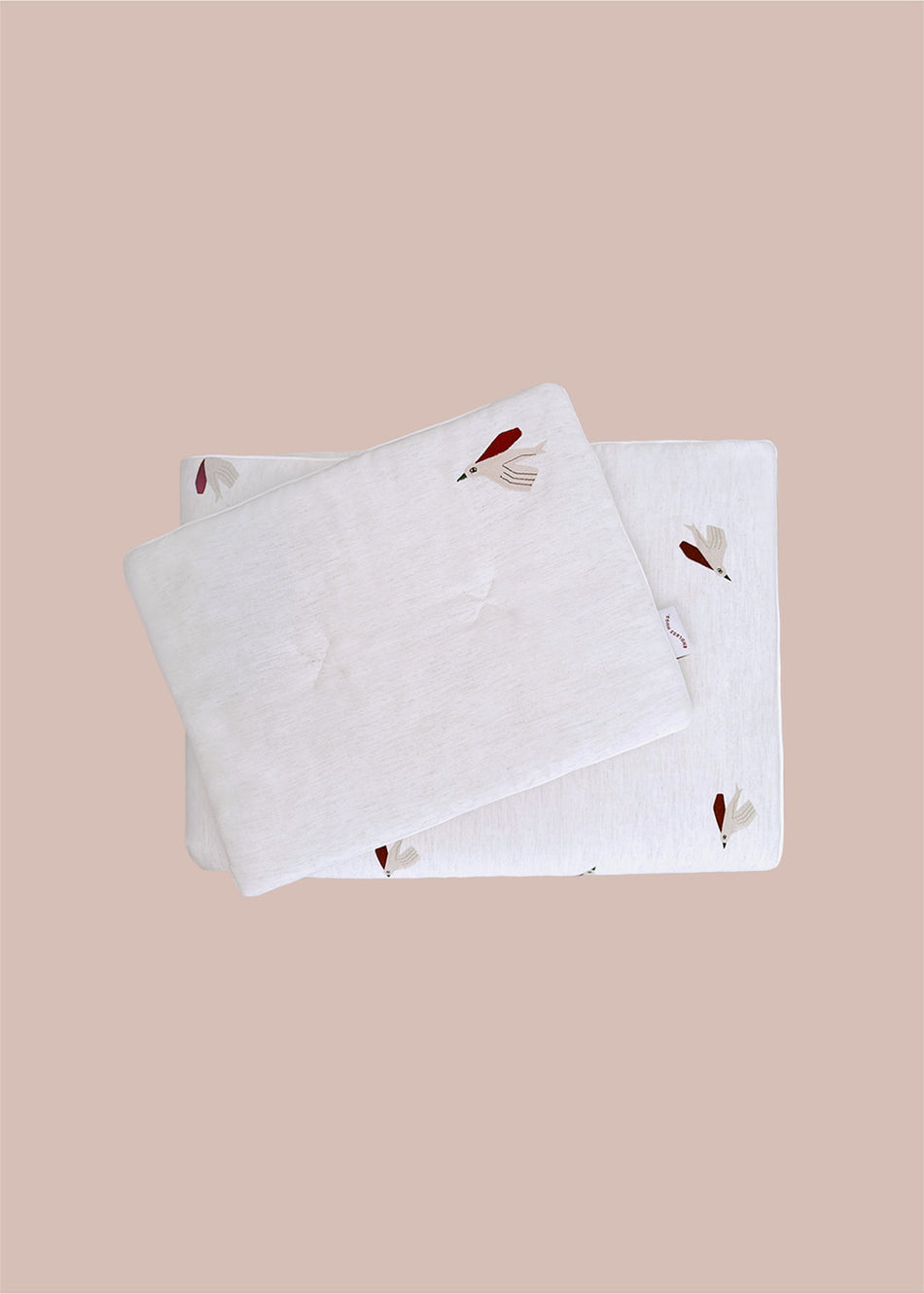
bedding and sheets made of skin-friendly , soft and breathable fabrics;
-
wraps and light covers that help maintain thermal comfort;
-
materials that are easy to wash and quick to dry, because accidents are part of everyday life.
Neutrality can be a big advantage here: subdued colors are not overstimulating, and smooth or subtle patterns suit both a baby's and a preschooler's room.
Bathroom and bath
In the bath, function is paramount – absorbency, softness, and gentle contact with wet skin. Elements typically used for children are usually those that impact safety and comfort after getting out of the water. At the same time, many bathroom textiles can remain neutral and common, as long as they are hygienic and pleasant to the touch.
It is worth having a "children's" bathroom:
-
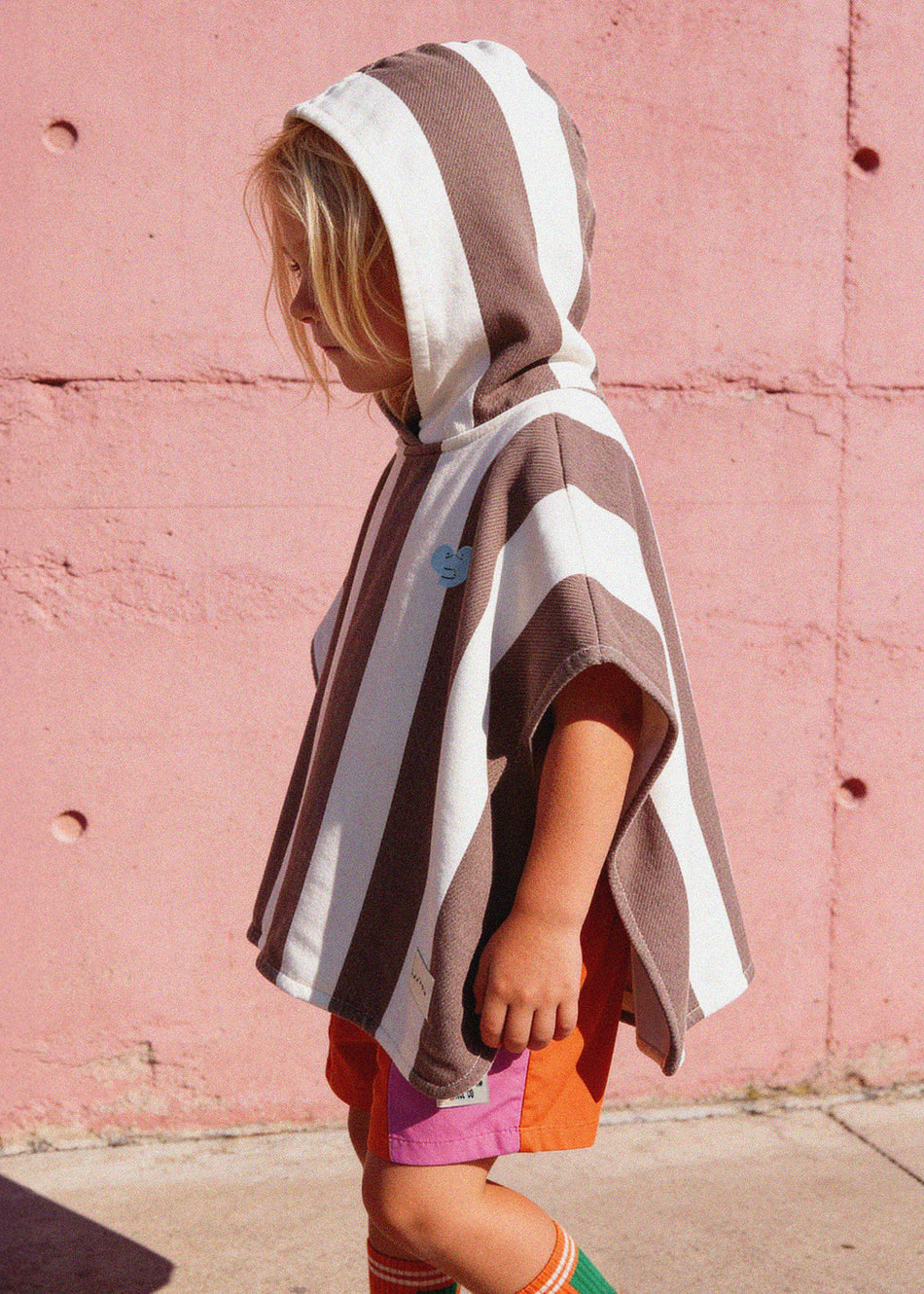
a fitted bathing suit that quickly warms you up after bathing;
-
textiles that withstand frequent washing without losing their properties.
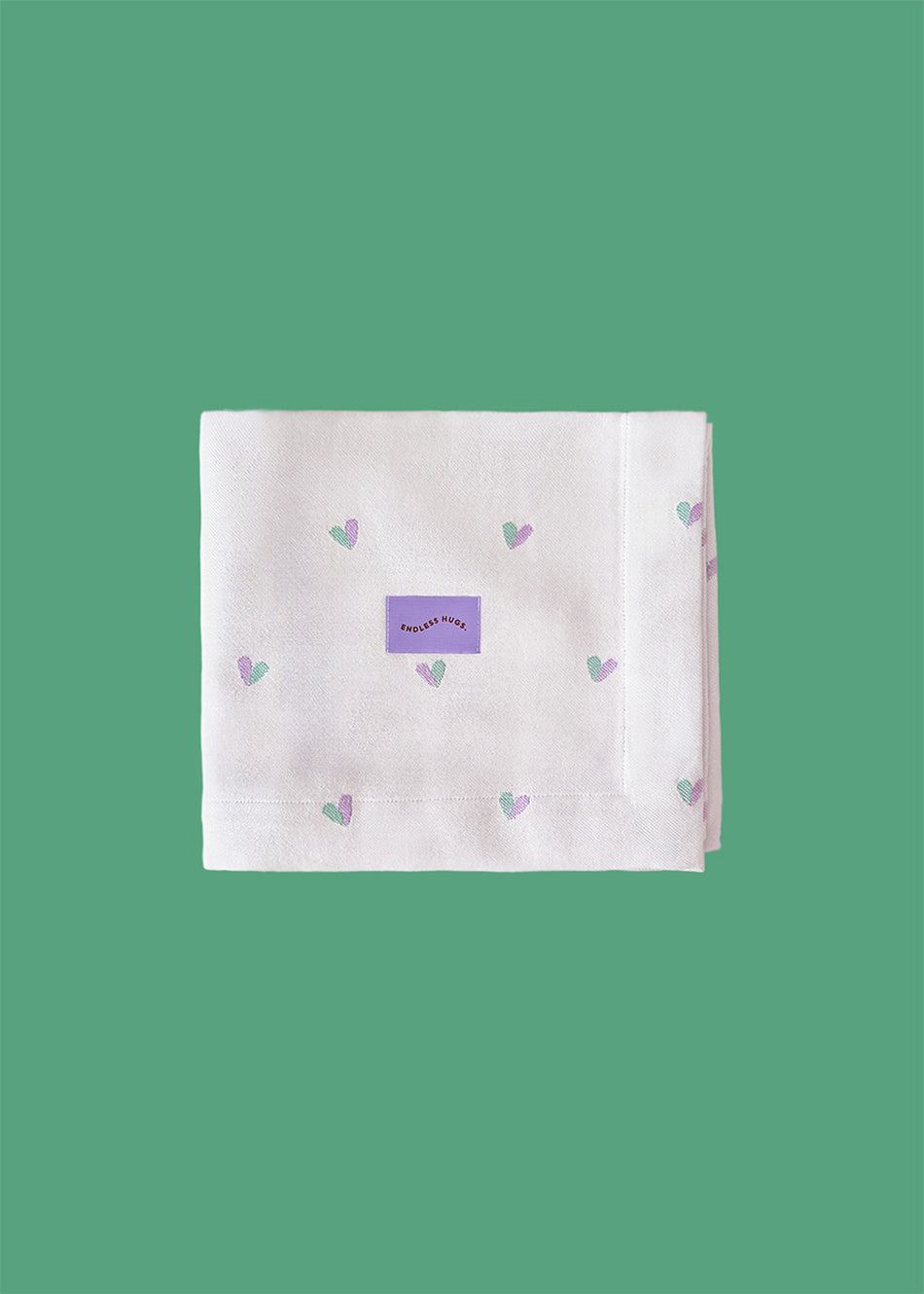
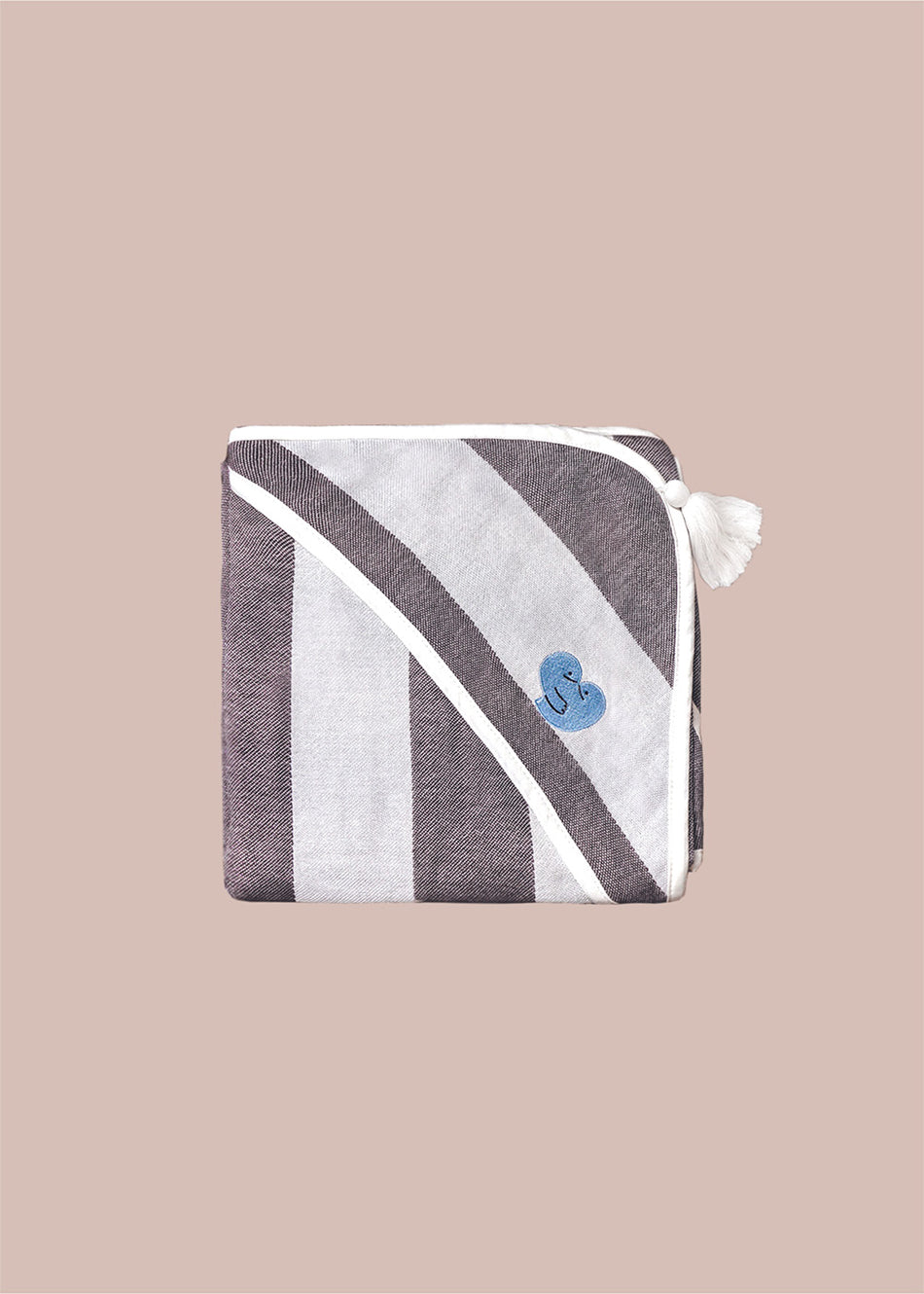
Neutral towels for the whole family can work just as well, as long as they're gentle. Fabrics associated with comfort and breathability, such as cotton (e.g., muslin) or bamboo viscose (often called "bamboo"), are often chosen for little ones. If you need a practical explanation of the material differences, it's helpful to discuss properties of bamboo fibers in children's accessories .

Living room and common area
A living room rarely needs to look like a playroom to be child-friendly. A few clever solutions are usually enough: space for activities and materials that are easy to clean. It's best to limit "childish" elements to those that support development and daily organization, rather than decorations that fill the entire space.
The following work best in the living room:
-
neutral textiles that withstand washing and everyday use;
-
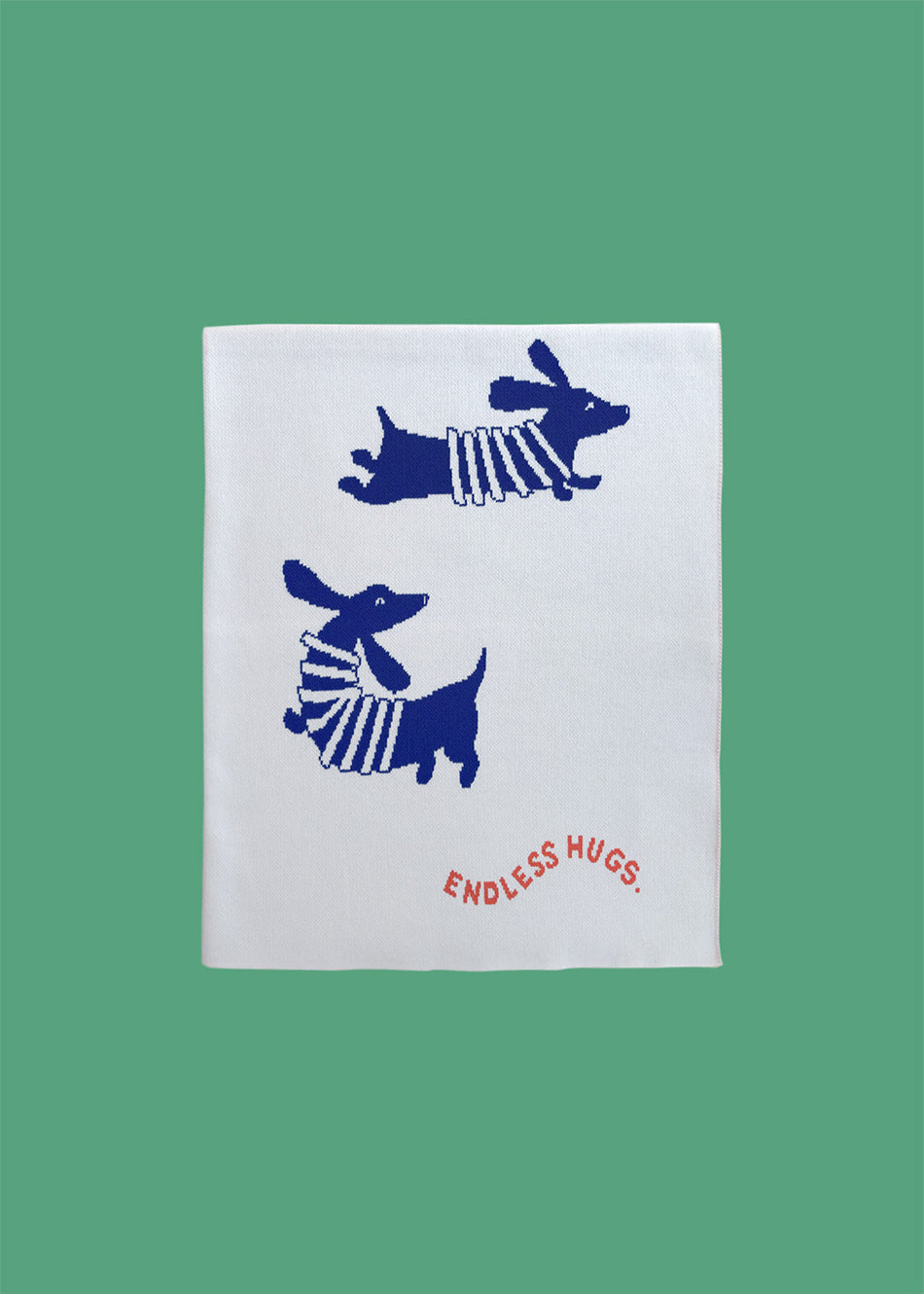
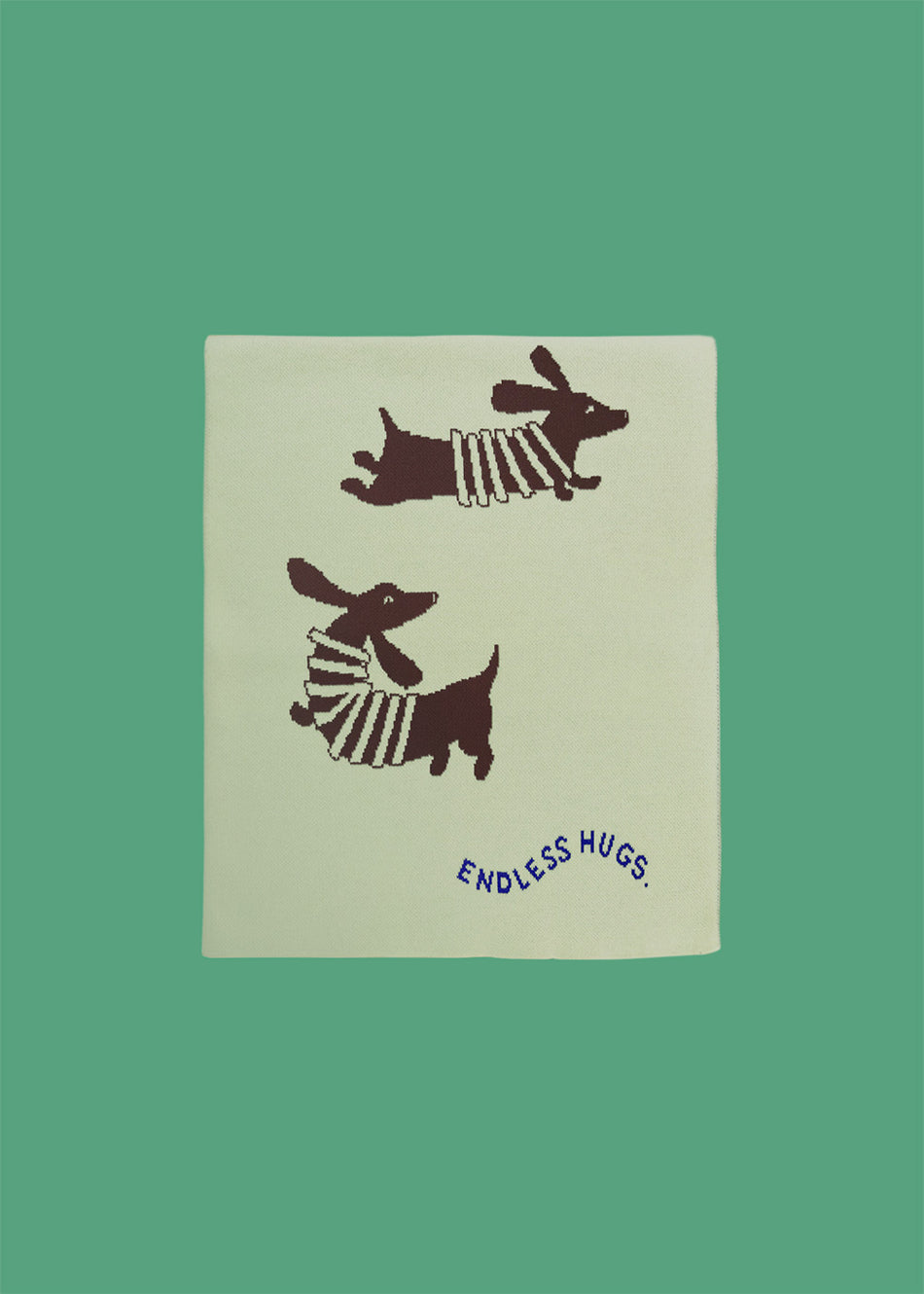
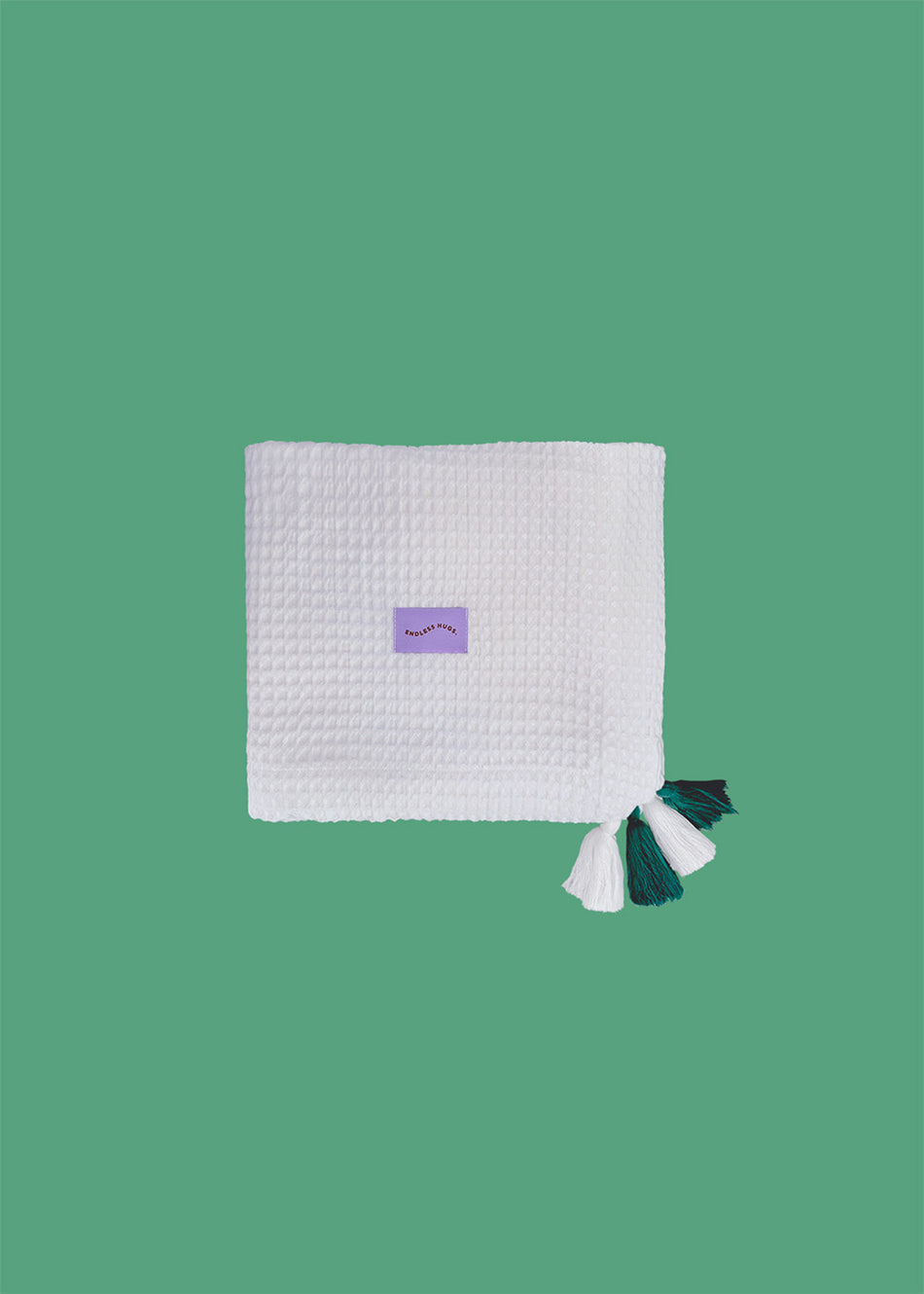
blankets or swaddles used as a base for play and rest, for example baby blanket ;
-
simple solutions that limit visual chaos, which promotes calm.
What Can Be Neutral - and Why It Often Makes Life Easier
A neutral base can be more practical than "childish" versions of everything. It facilitates quick combinations of elements, reduces the pressure of frequent rearrangements, and allows you to focus on the quality of materials rather than on passing trends.
Most often, the following can remain neutral:
-
most home textiles used by adults and children, if they are soft and well tolerated by the skin;
-
the colors of the walls and large furniture that provide a backdrop for everyday activities;
-
accessories that are meant to last for years - it's better when they fit the changing stages of life;
-
decorative elements, as long as they do not dominate the space and do not distract in the relaxation areas.
When "Baby" is Needed: A Quick Checklist
The easiest way to assess the value of a "children's" product is through the lens of safety, hygiene, and skin contact. The following checklist will help you make a decision without shopping too much.
It is worth choosing the typical children's variant when:
-
the product is in constant, direct contact with the skin (especially around the face and neck);
-
exceptional softness and reduced risk of irritation are needed;
-
breathability and thermal comfort are important, especially during sleep;
-
the item will be washed intensively and should retain its quality;
-
the size and design must be adapted to the small body and limited motor coordination.

Natural fabrics as a neutral choice: what to pay attention to
In practice, it's the material that often determines a child's appeal rather than the design itself. Parents often choose natural fabrics because they're associated with breathability, softness, and comfort throughout the seasons. In home use, how the fabric behaves after washing and whether it remains pleasant to the touch, even on children with more sensitive skin, is also important.
When choosing textiles, it is worth checking:
-
the composition of the material and its intended use for delicate skin;
-
care method - the simpler it is, the easier it is to maintain hygiene;
-
softness and elasticity, important for wrapping and drying after bathing;
-
quality of workmanship, because seams and finishes are important in everyday contact with the skin;
-
product origin - local production can be an added value, especially when quality control is important.
Sample approach: neutral base, childlike accents
A cohesive strategy at home with a child doesn't have to be complicated. A good solution is to combine a neutral base with a few elements that are fully adapted to the child's needs.
A practical diagram might look like this:
-
neutral textiles in common areas, and "childish" ones only where the child's skin comes into contact most often;
-
swaddles and towels in calm colors that match different stages of development;
-
bedding and covers selected for fabric and care, not pattern intensity;
-
rotation of several proven sets instead of many random elements, for example using multi-purpose textiles such as a muslin blanket used in various ways .
Let's summarize with childish ease
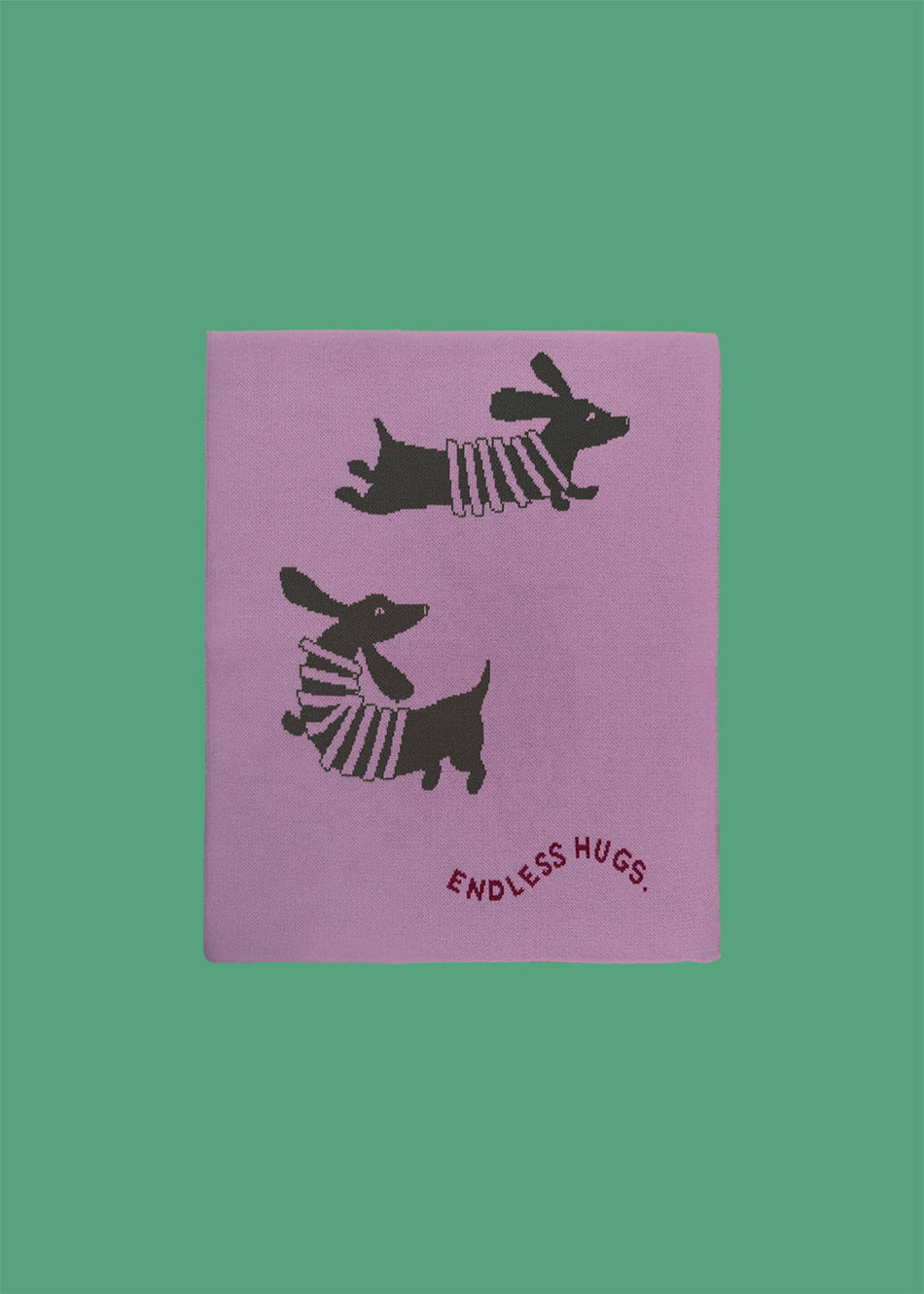
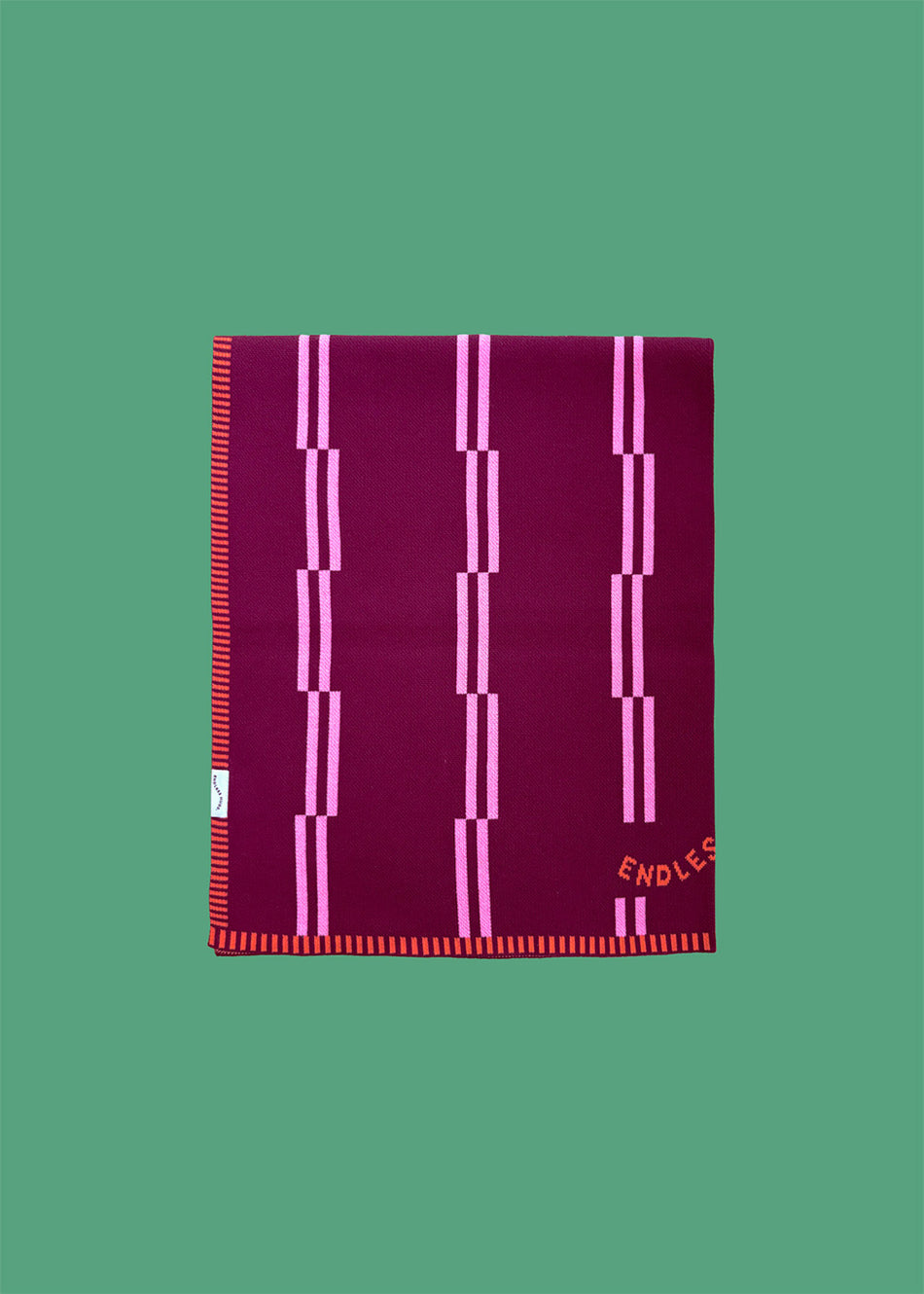
A child-friendly home doesn't have to be entirely "childish." Often, it's enough to have child-friendly elements that promote skin comfort, sleep, and hygiene, while the rest can remain a neutral backdrop for everyday life. The choice of fabrics—such as linen, cotton (e.g., muslin), or bamboo viscose—helps combine function with aesthetics and limit the number of items to be changed each season. An added value for many families is the Polish origin of the products and the attention to detail, which is evident in locally made textiles—as in the Endless Hugs collections .